
IMF Upgrades UK Growth Forecast to 1.3% for 2026 Amid Energy Shock
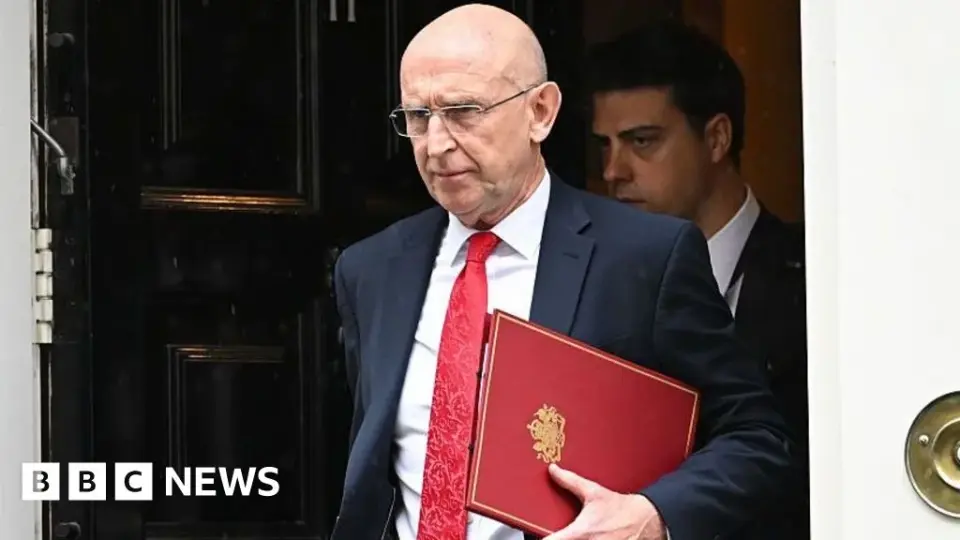
The International Monetary Fund (IMF) has upgraded its forecast for UK economic growth in 2026 to 1.3%, up from 1.0% in July, despite ongoing energy price shocks from the US-Iran war. However, growth is expected to slow to 1.2% in 2027 as higher energy costs and interest rates weigh on spending. Chancellor John Healey faces a £35bn funding gap in his October 28 Budget, balancing debt consolidation with household support. The IMF praised the UK for leading G7 debt reduction, while inflation is projected to average 3.3% this year and 2.8% in 2027, remaining above the Bank of England’s 2% target.
Key points
- IMF raised 2026 UK growth forecast to 1.3% from 1.0%, with 2027 growth slowing to 1.2% due to energy and rate pressures.
- UK is projected to reduce annual borrowing by nearly four percentage points of GDP between 2025 and 2031, outperforming other G7 nations.
- Chancellor John Healey must address a £35bn funding gap in the October 28 Budget while maintaining credible fiscal plans for markets.
- Inflation is expected to average 3.3% in 2026 and 2.8% in 2027, with the Bank of England predicting it could exceed 4% early next year.
- IMF Chief Economist Silvana Tenreyro stated the UK has already begun the debt consolidation process and should 'stay the course'.
Background
Recent archive coverage highlights a global trend of persistent inflation driven by energy costs from the Iran conflict. In August, US inflation rose to 3.4% while wage growth lagged at 3.1%, and Eurozone inflation exceeded 3.0%. Consumer inflation expectations in the US hit 3.9% in September, the highest since 2023, prompting central banks to consider rate hikes. These global pressures underscore the challenges facing the UK economy, where energy costs continue to drive price increases despite resilient growth.
Why it matters
The IMF’s upgraded forecast signals short-term resilience but warns of a 2027 slowdown due to energy and interest rate pressures. For households, this means continued cost-of-living strain, with inflation expected to remain above the Bank of England’s target. For policymakers, the focus is on balancing fiscal consolidation with targeted support, as Chancellor Healey navigates a £35bn funding gap in the upcoming Budget. The UK’s strong debt management position offers credibility but requires careful navigation of rising borrowing costs.
What to watch
Chancellor John Healey is expected to announce the Budget on 28 October, addressing the £35bn funding gap and potential tax or spending measures. He will meet with other finance ministers at the IMF’s annual meeting in Bangkok on 13 October to discuss limiting the economic impact of Middle East and European conflicts. The Bank of England may consider rate hikes if inflation exceeds 4% early next year, as projected.
Want the full story? Read the original reporting
Read on BBC