
IMF Warns Global Resilience Nearing Breaking Point as Oil Stocks Deplete
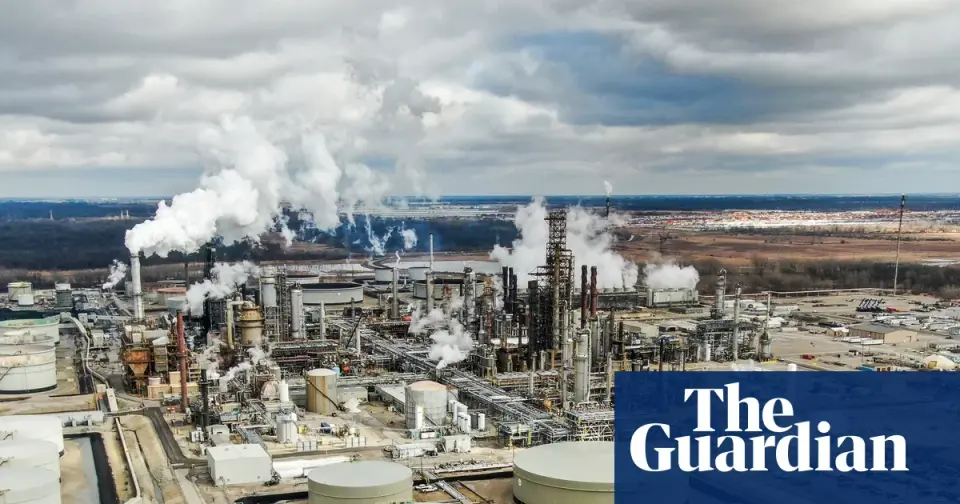
The International Monetary Fund (IMF) raised its 2026 global growth forecast to 3.1% but warned that economic resilience is nearing its limits due to depleting oil reserves and high debt. While AI investment has buffered the impact of the Middle East conflict, the IMF cautioned that further geopolitical shocks or an AI market correction could trigger a sharp downturn. Global inflation is expected to remain elevated at 4.7% this year, with risks skewed to the downside.
Key points
- The IMF revised its 2026 global growth forecast up to 3.1% from 3.0%, while maintaining the 2027 forecast at 3.4%.
- Global oil reserves are being drawn down by approximately 2.7 million barrels per day, with the US Strategic Petroleum Reserve at its lowest level since 1982.
- Global inflation is projected to remain at 4.7% in 2026 and rise to 4.1% in 2027, up from previous estimates, driven by energy and food costs.
- The IMF warned that if AI productivity gains fail to materialize, global GDP could fall 1.1% below baseline by 2028, with US equities potentially dropping 20%.
- Advanced-economy public debt is projected to reach 115% of GDP by 2031, limiting governments' ability to respond to future shocks.
Background
This warning follows recent IMF statements by Managing Director Kristalina Georgieva, who previously cautioned that global public debt is nearing 100% of GDP, a level not seen since World War II. In early October, Georgieva urged governments to implement immediate fiscal consolidation as bond yields hit multi-decade highs, attributing the surge in borrowing costs to the ongoing Middle East conflict and rapid AI infrastructure expansion. The current report reinforces those concerns by highlighting the narrowing policy buffers available to governments.
How outlets are covering it
The Guardian emphasizes the physical depletion of emergency oil stocks and the resulting vulnerability of government budgets, noting that the US Strategic Petroleum Reserve is at its lowest level since 1982. CNBC highlights the role of AI investment in offsetting energy costs, pointing out that 32 economies now account for 95% of global growth, with Taiwan and South Korea benefiting from semiconductor demand. Axios focuses on the concentration of risk, warning that the global expansion is heavily reliant on a small number of firms and sectors, making the economy susceptible to a sharp correction if AI profitability fails to materialize. All three outlets agree that while the economy has withstood the Middle East conflict better than feared, the cushion of resilience is rapidly narrowing.
Why it matters
The IMF's warning signals that the global economy may lack the fiscal and energy buffers to withstand future shocks. With oil reserves depleting and public debt rising, governments have limited capacity to protect consumers from price spikes. Additionally, the heavy reliance on AI investment creates a fragile growth model; if AI productivity gains fail to materialize, it could trigger a significant market correction and slow global growth. This underscores the need for policymakers to restore fiscal space and diversify energy supplies to maintain economic stability.
What to watch
The IMF and World Bank annual meetings in Bangkok this week will focus on geopolitical tensions, mounting public debt, and artificial intelligence. Finance ministers and central bank governors are expected to discuss strategies for restoring fiscal space and managing inflation. The IMF will likely urge governments to keep support for households temporary and targeted, while central banks may maintain restrictive monetary policies to combat inflation. The outcome of these discussions will influence global economic policy in the coming months, particularly as oil reserves continue to deplete and AI investment remains a key driver of growth.
- IMF warns global economy ‘could soon test the limits of resilience’ The Guardian
- Global economy to slow less than expected in 2026 as AI boom offsets war hit: IMF CNBC
- IMF says AI investment propping up global growth, but war and debt threaten outlook Reuters
- IMF Chief Alarmed at ‘Slow-Moving Tsunami’ of AI for Jobs, Taxes Bloomberg.com
- IMF warns global economy nearing "limits of resilience" Axios
Want the full story? Read the original reporting
Read on The Guardian