
India’s Cash Paradox: Digital Payments Surge While Physical Currency Stock Hits Record Highs
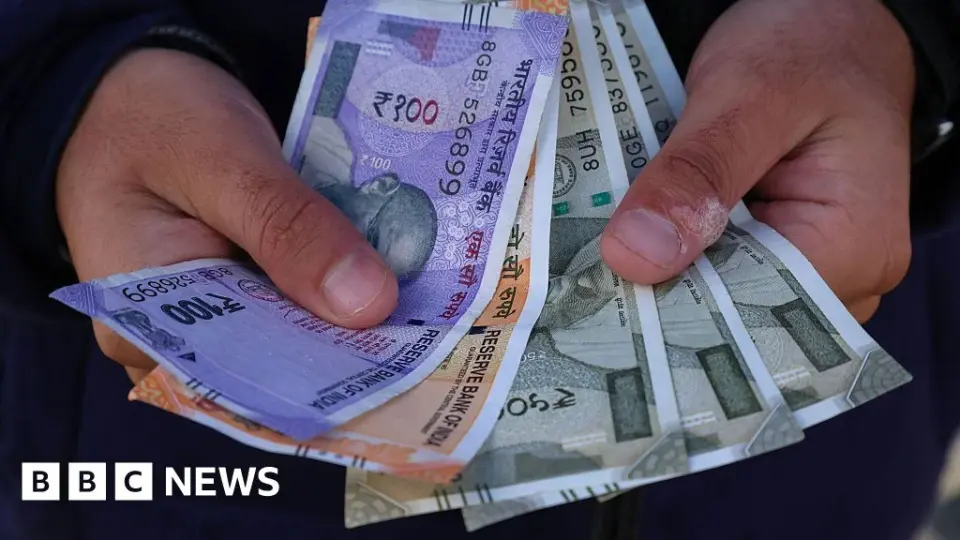
Despite the rapid adoption of digital payments via UPI, the total value of physical cash in circulation in India continues to grow at double-digit rates. The Reserve Bank of India (RBI) now manages 176 billion banknotes, a figure that outpaces the decline in cash's share of daily transactions. This phenomenon, termed the 'cash paradox,' suggests that while digital methods replace cash for routine spending, physical currency remains vital for savings, emergency reserves, and informal economic activities. Experts note that this trend mirrors global patterns where cash serves as a hedge against system failures, creating a complex logistical challenge for central banks that must maintain robust cash infrastructure alongside advanced digital networks.
Key points
- The Reserve Bank of India currently has 176 billion banknotes in circulation, a stock that continues to grow despite the rise of digital transactions.
- UPI digital transactions are approaching one billion per day, yet cash's share of individual transactions has not fallen as fast as expected, leading to a 'cash paradox'.
- Economists argue that cash serves three distinct roles: payment, store of value, and a hedge against calamity, with digital apps primarily replacing only the payment function.
- The RBI faces a budgeting dilemma, balancing investment in its self-reliant cash supply chain (including paper mills and printing presses) with the promotion of digital payment networks.
- Trials for 10 and 20 rupee polymer notes, which are more durable than paper, are finally underway to reduce the cost and frequency of replacing worn-out currency.
Background
This development follows earlier discussions regarding the sustainability of India's UPI network, where proposals to introduce merchant discount rates on larger transactions raised concerns about potential shifts back to cash for smaller payments. Additionally, broader regional economic discussions, such as those surrounding BRICS cooperation, have highlighted the importance of cross-border payment interoperability, further emphasizing the strategic value of maintaining robust domestic cash infrastructure as a shock absorber for the region.
Why it matters
The persistence of high cash circulation challenges the narrative that digital innovation renders physical currency obsolete. For policymakers, this means that 'monetary sovereignty' and financial stability require maintaining a dual system: a highly efficient digital network for convenience and a resilient physical cash system for security, privacy, and emergency access. This dual approach is critical for vulnerable populations, including the elderly and rural poor, who may lack reliable digital access or prefer the privacy of cash transactions.
What to watch
The RBI is expected to continue managing the complex logistics of cash production and distribution while monitoring the impact of potential UPI merchant fees on cash usage. The rollout of polymer notes may help reduce long-term costs, but the central bank must carefully balance its investment in cash infrastructure against the expansion of digital payment capabilities to ensure financial inclusion and stability.
Want the full story? Read the original reporting
Read on BBC