
Inflation data reignites debate over Fed rate hike before November elections
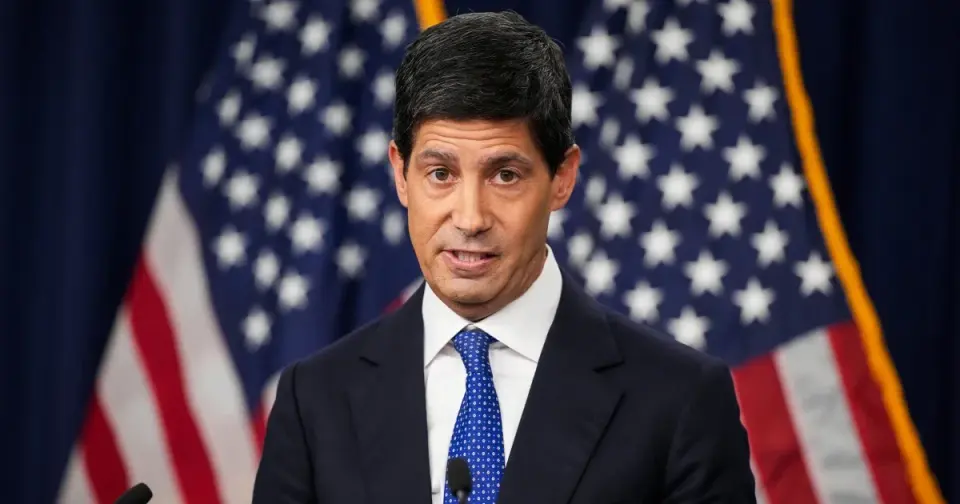
Surging inflation data has intensified speculation that the Federal Reserve may raise interest rates before the November 3 midterm elections. Fed Chair Kevin Warsh is scheduled to speak in Bangkok on Friday, offering a rare opportunity to gauge the central bank’s stance before a media blackout begins. While some analysts argue the data justifies an October hike, most expect the Fed to hold rates steady until late December.
Key points
- Inflation reports released this week showed broad-based price increases, including in core categories, reversing earlier expectations of a pause in rate hikes.
- Fed Chair Kevin Warsh will be interviewed by IMF Managing Director Kristalina Georgieva in Bangkok on Friday, marking the last public Fed comment before a media blackout begins on Saturday.
- The Fed’s next interest rate decision is scheduled for October 27-28, with markets currently pricing a 40% probability of a hike, up from 20% before the latest data release.
- Rising diesel prices and massive spending on AI infrastructure are cited as key drivers of persistent inflation, complicating the Fed’s ability to lower rates.
- President Trump has criticized the Fed’s rate hikes as politically motivated, but has not directly attacked Chair Warsh, instead blaming other board members for high rates.
Background
The Fed raised rates to 3.9% in September, its first hike in three years, amid persistent inflation between 2.5% and 3%. Earlier minutes indicated a cautious, multi-step approach, with most policymakers expecting one more hike by year-end. Recent political pressure, including an effort to remove Fed Governor Lisa Cook, has heightened scrutiny of the Fed’s independence.
How outlets are covering it
NBC News emphasizes the political implications of a potential rate hike ahead of the midterms, noting that rising costs could hurt Republicans. Bank of America analysts argue that broad-based inflation strengthens the case for an October hike. In contrast, Futu reports that while the probability of a hike surged to 55% after the data, it has since eased to 40%, with most watchers still expecting a pause until December. KPMG economist Diane Swonk highlights the long-term impact of diesel prices on core inflation, a point not stressed by other outlets.
Why it matters
A rate hike before the midterms could deepen consumer financial strain and influence voter sentiment, potentially affecting congressional control. It also tests the Fed’s independence amid political pressure, with Trump advocating for rates at 1% or less. The outcome will shape the trajectory of inflation and economic growth through 2027.
What to watch
Markets will closely monitor Warsh’s remarks in Bangkok for any signals on the Fed’s stance. The Fed will then enter a media blackout until its October 27-28 meeting, where it will decide whether to raise rates or hold steady. Investors will also watch for further inflation data and the impact of diesel prices on core CPI.
- Will the Fed raise interest rates this month? A Kevin Warsh speech could offer clues NBC News
- Warsh Speech, Schwab Earnings: What to Watch the Rest of the Week WSJ
- Fed’s Warsh to Get Final Word in Bangkok as Inflation Roars Back Bloomberg.com
- Economic and event calendar in Asia Friday, October 16, 2026 - Federal Reserve Chair Warsh speaking investingLive
- Just as markets were caught off guard by the CPI data, Waller is set to speak again: the risk of further interest rate hikes comes under renewed scrutiny after the sharp decline in U.S. stocks. 富途牛牛
Want the full story? Read the original reporting
Read on NBC News