
Inflation Forces Americans to Scale Back Thanksgiving Plans as Costs Hit Record Highs
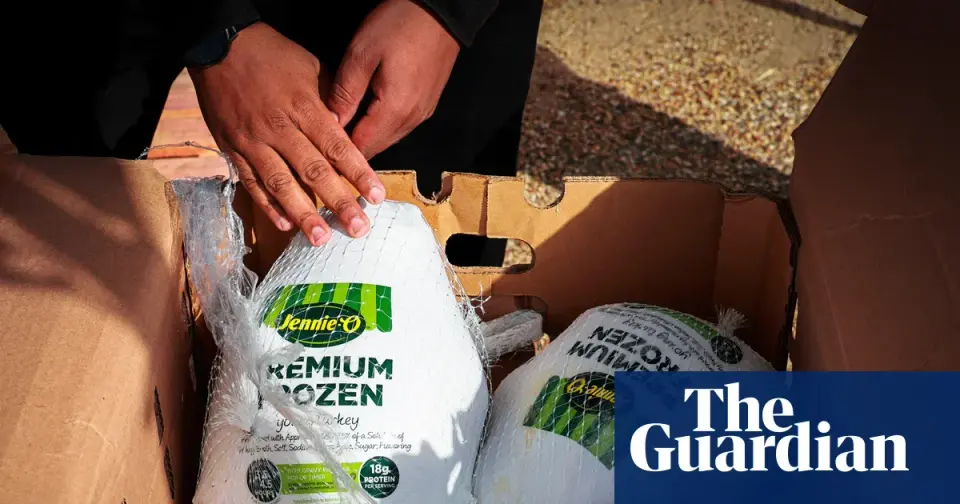
Rising costs for food, fuel, and travel are prompting many Americans to reduce their Thanksgiving celebrations. While grocery retailers offer discounted meal bundles to attract shoppers, the overall cost of a holiday dinner has reached an all-time high. Families are cutting guest lists, swapping expensive ingredients for cheaper alternatives, or skipping the holiday entirely due to financial pressure.
Key points
- The American Farm Bureau Federation reports the average cost of a 10-person Thanksgiving dinner has risen 6% to $58.63, marking the first increase since 2022.
- The American Institute for Economic Research notes that overall Thanksgiving food prices rose 2.6% year-over-year, with turkey and poultry prices jumping 8.4% due to avian influenza and high diesel costs.
- A Lending Tree survey found that nearly two-thirds of respondents may need to borrow to host, with 38% planning to use credit cards to cover expenses.
- Grocers like Walmart and Aldi are selling discounted 'feast' bundles, with Walmart offering a 10-person meal for $35 and Aldi for $39, to counter stubborn inflation.
- Many consumers are opting for smaller gatherings, using store loyalty programs, or skipping travel to save on fuel and lodging costs.
Background
This trend follows a period of sustained inflation, with US consumer price inflation rising to 3.8% in October 2026. The Producer Price Index has also surged, signaling that higher production costs are being passed to consumers. Previous coverage noted that Thanksgiving dinner costs had been stable or declining in recent years before this 2026 spike, which is driven by supply chain issues and rising input costs for farmers.
How outlets are covering it
The Guardian highlights the human impact, with readers describing 'horribly expensive' food and the decision to skip hosting entirely. Fox Business emphasizes the macroeconomic data, noting that while the pace of inflation has slowed, cumulative price increases remain a substantial burden, with turkey prices rising more than double the rate of other components. The New York Times focuses on the retail response, noting that major grocers are taking losses on bundled meals to ensure shoppers still buy despite high costs.
Why it matters
The rising cost of a single holiday reflects broader economic pressures on American households. As inflation remains above the Federal Reserve's target, consumers are adjusting their spending habits, which could impact retail sales and consumer confidence in the coming months.
What to watch
The Federal Reserve is expected to raise interest rates at its December 2026 meeting, which could further impact consumer spending. Retailers will likely continue to monitor sales data post-holiday to assess the impact of inflation on consumer behavior.
- High prices force many across the US to scale back for Thanksgiving: ‘We can’t afford the food’ The Guardian
- The Rising Cost of Thanksgiving, From Travel to Turkey Bloomberg
- Grocers Take Losses on Thanksgiving Meal Bundles to Draw Shoppers The New York Times
- US grocers serve up Thanksgiving deals even as turkey prices climb Reuters
- Thanksgiving dinner prices hit an all-time high – and one staple is driving the surge Fox Business
Want the full story? Read the original reporting
Read on The Guardian