
Iran Conflict Imposes $100 Billion Fuel Burden on U.S. Households
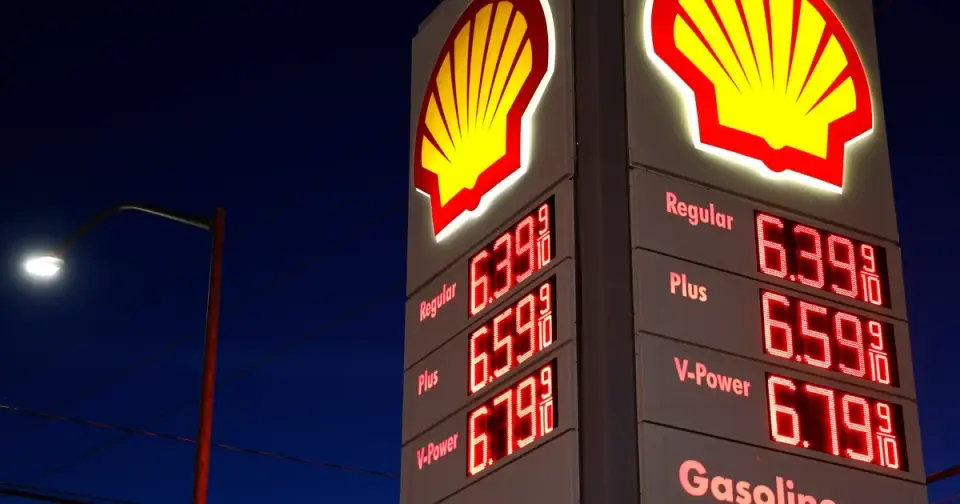
U.S. consumers have incurred an additional $100 billion in fuel costs since the Iran conflict began in late February, according to Brown University. This equates to roughly $763 per household, driven by gasoline and diesel price surges. The conflict has disrupted global supply chains and refinery capacity, pushing diesel to record highs and raising inflation concerns.
Key points
- Brown University’s Climate Solutions Lab estimates the war has added $100 billion to U.S. fuel costs, split between $55 billion for gasoline and $45 billion for diesel.
- Gasoline prices have risen from $2.98 to $4.15 per gallon, while diesel has jumped over 60% to a record $5.90 per gallon nationwide.
- The cost burden is uneven, with California seeing the highest prices due to existing taxes and carbon pricing, while Indiana has the lowest.
- Diesel price spikes are driving inflation in goods and services, as the fuel is embedded in transportation, agriculture, and industrial uses.
- Public support for the war has dropped to 31%, and President Trump’s approval rating has fallen to 33%, partly due to rising energy costs.
Background
The conflict began on February 28, 2026, when the U.S. and Israel launched operations against Iran, leading to Iran choking off the Strait of Hormuz. Earlier reports indicated that Iranian drone and missile strikes had damaged U.S. intelligence outposts in the Middle East, costing billions in repairs. Rising jet-fuel prices have also increased airfares by approximately 25%.
How outlets are covering it
HuffPost and CNN both cite Brown University’s $100 billion estimate, with CNN noting that diesel prices have shattered all-time records. Al Jazeera emphasizes the uneven distribution of costs across states, highlighting California’s high prices versus Indiana’s lower costs. CNBC focuses on the global supply crunch, noting that refinery disruptions in Russia and the Middle East have reduced capacity by 5 million barrels per day. While all sources agree on the financial impact, they differ in emphasis: HuffPost and CNN focus on household costs and political fallout, Al Jazeera highlights regional price disparities, and CNBC stresses the broader economic and inflationary consequences of diesel shortages.
Why it matters
The $100 billion fuel burden is comparable to the federal government’s annual spending on the Supplemental Nutrition Assistance Program. Rising energy costs are eroding discretionary income and driving inflation, which may prompt the Federal Reserve to raise interest rates. The conflict has also damaged public support for the war and President Trump’s approval rating, highlighting the political and economic risks of prolonged military engagements.
What to watch
Analysts warn that fuel prices may continue to rise, with Goldman Sachs forecasting Brent crude could exceed $120 per barrel if Gulf output remains low. The Federal Reserve is expected to consider raising interest rates at its next meeting due to persistent inflation. The conflict has passed the six-month mark, and President Trump has struggled to find a face-saving exit strategy.
- Added Fuel Costs Of Trump's War In Iran Hit Estimated $100 Billion For U.S. Families HuffPost
- Americans are footing a $100 billion energy bill from the Iran war CNN
- U.S. Retail Diesel Prices Hit Record High as Global Supply Tightens WSJ
- Iran war: How US consumers spent an additional $100bn on fuel Al Jazeera
- Diesel hits record high as Ukraine and Iran wars knock out refineries, fueling inflation worries CNBC
Want the full story? Read the original reporting
Read on HuffPost