
Labor Day Gas Prices Shatter Records as Middle East Conflict Drives Costs Above $4
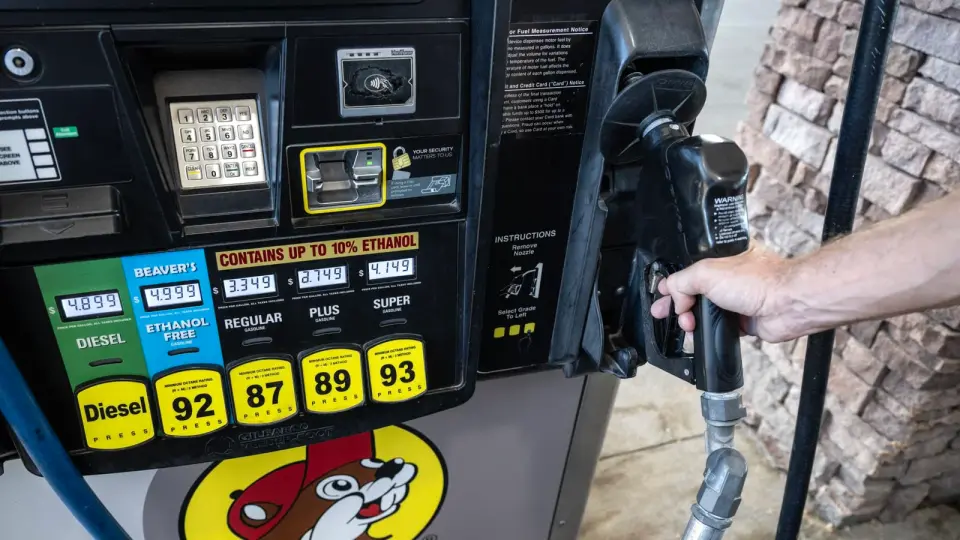
U.S. gasoline prices are set to reach a record high of $4.03 per gallon on Labor Day, surpassing the previous peak from 2012. The surge is driven by renewed military tensions between the U.S. and Iran, which have pushed crude oil above $90 a barrel. With refinery utilization at 98% and inventories falling, analysts warn that few policy levers remain to lower costs. Consumers are cutting back on travel and driving, while President Trump has criticized refiners for profiting from high prices despite pledging to lower energy costs.
Key points
- The national average gasoline price is projected to hit $4.03 on Labor Day, breaking the 2012 record of $3.83 and marking the first time prices have exceeded $4 this late in the year.
- Crude oil prices jumped back over $90 a barrel following renewed military action between the U.S. and Iran, reviving fears of supply disruptions through the Strait of Hormuz.
- U.S. refinery utilization is at 98%, the highest since 2018, and gasoline inventories dropped by 1.2 million barrels last week to 205.7 million, below the five-year August average.
- Diesel prices have hit a new record, and airfares for the Labor Day holiday are expected to be 20% higher than a year ago, straining household budgets.
- President Trump has accused fuel retailers of profiteering, while some consumers blame increased U.S. fuel exports for domestic shortages, noting refined product exports are up over 10% year-over-year.
Background
Gasoline prices have been climbing steadily since mid-August, when the national average first topped $4 per gallon. Earlier reports highlighted that prices were 30% higher than a year ago, with significant cost impacts on households. The current spike follows a period of volatility linked to Strait of Hormuz disruptions and Iran tensions, which had previously pushed prices near 2022 levels. While some analysts predicted potential relief if hurricanes stayed away, the recent military escalation has reversed that trend, keeping prices elevated into the fall.
Why it matters
Record-high fuel costs are a critical economic indicator that shapes consumer confidence and political sentiment ahead of midterm elections. With prices above $4 per gallon, households are reducing discretionary spending, such as travel and dining out, which could dampen broader economic growth. The inability to quickly lower prices, due to high refinery utilization and low inventories, highlights the vulnerability of the U.S. energy supply chain to geopolitical shocks. This situation also intensifies political debates over energy policy, with the administration facing pressure to address consumer pain points while balancing strategic interests in the Middle East.
What to watch
Analysts expect gasoline prices to remain elevated through the fall, with diesel prices potentially surpassing the all-time record of $5.82 per gallon set in June 2022. The U.S. government has already extended the Jones Act waiver and ended summer-blend gasoline requirements early to mitigate costs, but these measures have limited impact given current supply constraints. Future price movements will depend on the resolution of U.S.-Iran tensions and the stability of global crude supplies, particularly through the Strait of Hormuz. If military actions continue, prices could rise further, exacerbating inflationary pressures and consumer hardship.
Want the full story? Read the original reporting
Read on CNBC