
Mortgage rates hit 7.12% as ARM demand surges to 9.8%
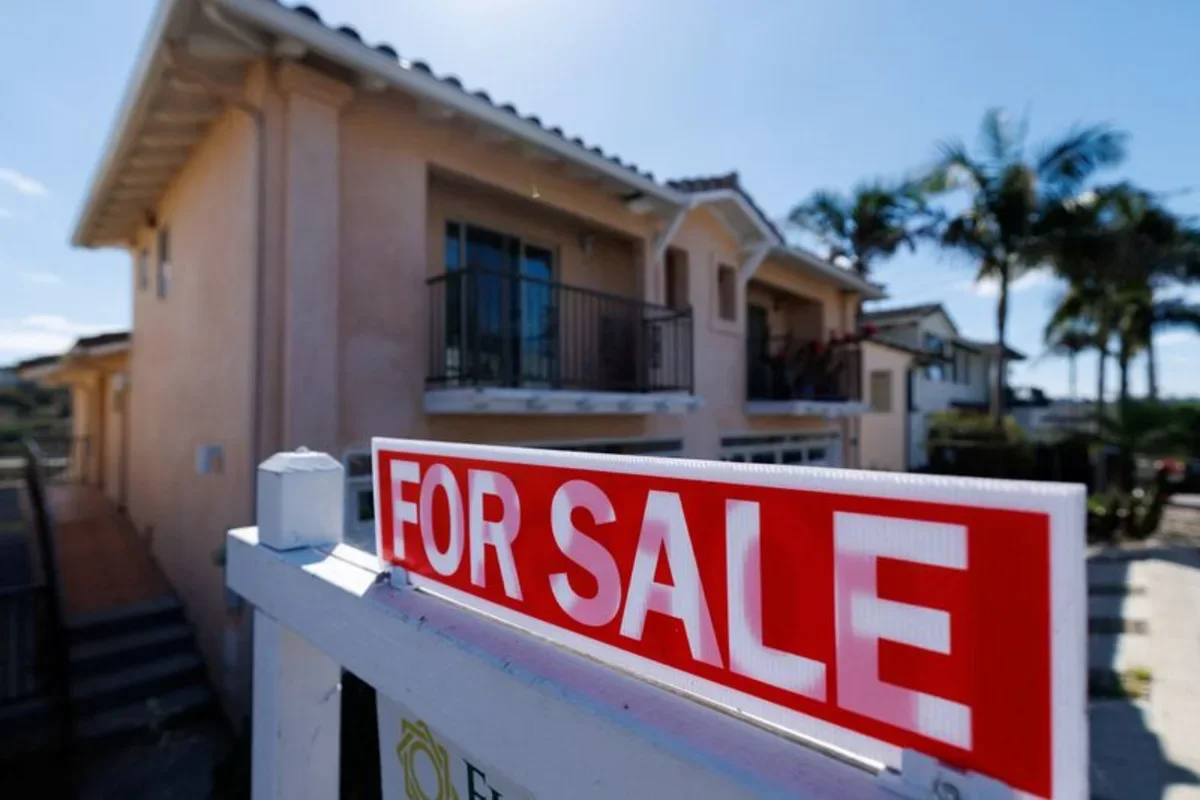
The average 30-year fixed mortgage rate rose to 7.12% last week, the highest since 2024, according to the Mortgage Bankers Association. This increase drove a shift toward adjustable-rate mortgages, which accounted for 9.8% of applications, while total loan volume fell 1.5%. Refinance applications dropped 3% and were 62% lower than a year ago, signaling a cooling housing market.
Key points
- The 30-year fixed-rate mortgage average increased to 7.12% from 6.97% last week, with points rising to 0.73.
- Adjustable-rate mortgage applications jumped to 9.8% of total volume, up from 8.4% the previous week, as 5/1 ARMs were over a percentage point cheaper than fixed loans.
- Total mortgage applications decreased by 1.5%, with purchase applications down 1% and refinances down 3% week-over-week.
- Refinance applications were 62% lower than the same week in 2025, marking the lowest level since February 2025.
- Mortgage News Daily reported a slight 0.02% drop in rates to 7.17% early this week, attributed to lower oil prices and bond yields.
Background
Rates had hovered near 7% in mid-September, with the 30-year fixed rate reaching 7.17% on September 15, the highest since January 2025. Prior to this week, ARM applications had already risen to 8.5% in early September as fixed rates climbed. Long-term forecasts suggest rates will remain elevated, with the 10-year Treasury yield expected to ease slowly over the next five years.
How outlets are covering it
CNBC and the Mortgage Bankers Association emphasize the sharp rise in ARM adoption, noting that 9.8% of borrowers chose adjustable rates due to the significant price gap with fixed loans. CNBC highlights the decline in refinance activity as a key indicator of market cooling. Mortgage News Daily offers a slightly more nuanced view, reporting that rates dipped slightly to 7.17% at the start of the new week, attributing the movement to lower oil prices and bond yields, rather than a continued upward trend. While all sources agree on the high level of rates, CNBC focuses on the behavioral shift toward riskier loans, whereas Mortgage News Daily focuses on the immediate, minor stabilization in pricing.
Why it matters
The jump to 7.12% represents the highest mortgage rate since 2024, directly impacting housing affordability and loan demand. The surge in ARM usage indicates that borrowers are prioritizing lower initial payments over long-term rate certainty, potentially increasing future financial risk if rates rise further. The sharp drop in refinancing activity suggests that homeowners are locking in their current rates rather than seeking to lower them, which could constrain liquidity in the housing market and slow home sales.
What to watch
Analysts will monitor whether the slight dip in rates reported by Mortgage News Daily continues or if the upward trend resumes. The Federal Reserve's upcoming decisions and inflation data will be critical in determining the direction of bond yields and mortgage rates. If rates remain high, the shift toward ARMs may accelerate, while a drop in rates could revive refinance activity and stabilize the housing market.
- US fixed 30-year mortgage rate jumps to 7.12%, MBA says Yahoo Finance
- Nearly 10% of borrowers opted for riskier mortgages last week, as rates soared over 7% CNBC
- US Mortgage Rates Surge Above 7% to a More Than Two-Year High Bloomberg.com
- Weeks Before the Midterms, Almost Everything Is Getting More Expensive WSJ
- Mortgage Rates Little-Changed to Start New Week Mortgage News Daily
Want the full story? Read the original reporting
Read on Yahoo Finance