
Heating Oil Prices Surge 31% as Middle East Conflict Drives Winter Bills Higher
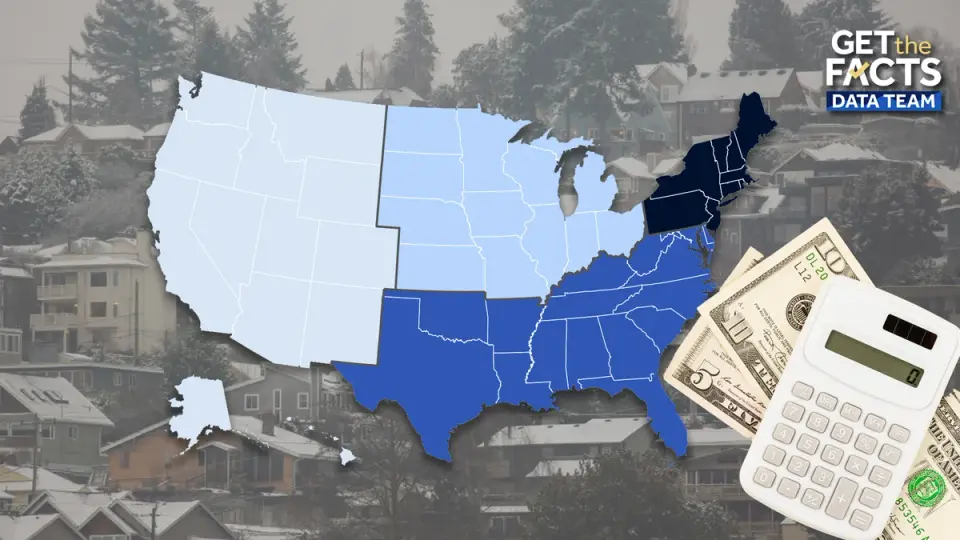
U.S. households face a 9% increase in winter heating costs, averaging $1,030, driven by a 31% spike in heating oil prices to $2,300. The Northeast bears the heaviest burden due to longer winters and higher reliance on oil, with regional bills reaching $2,297. While El Niño may moderate temperatures, global oil market disruptions and rising electricity demand are forcing families to seek energy efficiency measures and financial assistance.
Key points
- National heating costs are projected to rise by 9%, adding $82 to the average household bill, which is now estimated at $1,030 for the season.
- Heating oil prices have increased by 31% to an average of $2,300, driven by Brent Crude oil prices exceeding $100 per barrel due to Middle East tensions.
- The Northeast region faces the highest costs, with average heating oil bills of $2,297 and electricity bills of $1,885, compared to lower rates in the Midwest and South.
- Electricity prices are rising by 9% due to increased demand from AI data centers and aging grid infrastructure, despite the moderating effect of El Niño.
- Experts advise households to seal leaks, upgrade furnaces, and utilize energy-assistance programs to mitigate the impact of higher energy costs.
Background
Previous coverage from September 2026 highlighted that the Iran conflict has already added approximately $1,650 to the average U.S. household budget. Earlier reports noted that while El Niño was expected to bring warmer weather, the surge in oil prices and energy demand was offsetting these savings, leading to significant budgetary pressures for consumers.
How outlets are covering it
KMBC emphasizes the national and regional disparities in heating costs, highlighting the specific financial burden on the Northeast and the role of AI-driven electricity demand. In contrast, BBC focuses on the human impact in the UK, detailing how heating oil prices have nearly doubled in some areas, causing severe financial anxiety for rural households and farmers. While KMBC cites NEADA projections for U.S. data, BBC reports on local UK responses, including government funding for crisis resilience and consumer advice on cost-saving measures.
Why it matters
The sharp rise in heating costs, particularly for oil-dependent regions, threatens to exacerbate financial strain for households already dealing with inflation. The volatility in global oil markets, driven by geopolitical conflicts, creates uncertainty for budgeting and could lead to increased reliance on government assistance programs. This trend underscores the vulnerability of energy markets to external shocks and the need for proactive energy efficiency measures to mitigate future cost spikes.
What to watch
Households are expected to continue facing elevated heating costs through the winter, with potential for further price increases if global oil supply disruptions persist. Energy-assistance programs may see increased demand as families seek support to manage higher utility bills. Policymakers may need to consider additional measures to protect vulnerable populations from the financial impact of rising energy costs.
- 'No room left in their budgets': US heating bills expected to rise this winter KMBC
- Get ready for a 30% jump in heating oil costs this winter as Iran war drives up prices CNN
- New Englanders Will Pay Through the Nose to Stay Warm This Winter Heatmap News
- Rising oil prices create 'huge worry' as winter looms BBC
- Heating Oil Hits Record High TradingView
Want the full story? Read the original reporting
Read on KMBC