
Geopolitical Tensions and AI Demand Drive Winter Heating Costs Up 9% in US
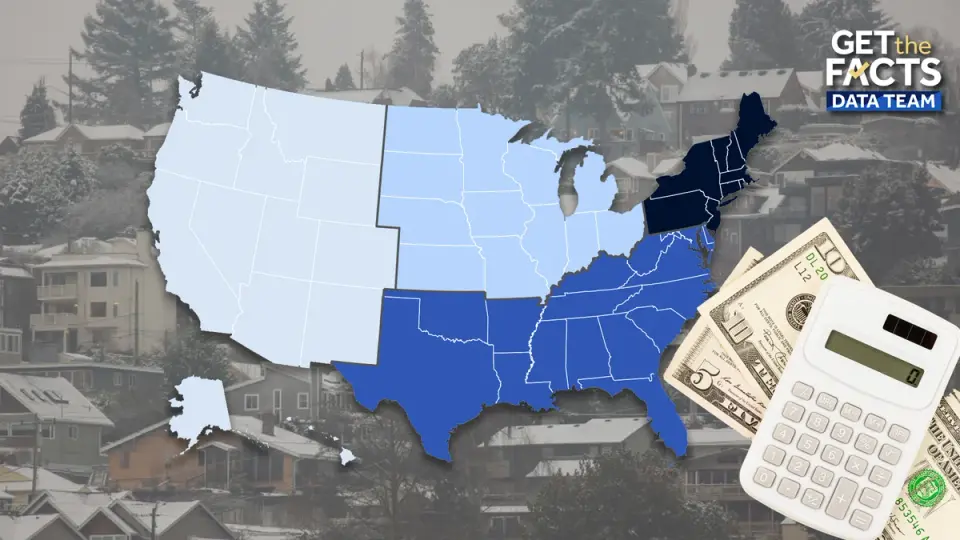
US households face a 9% rise in winter heating costs, averaging $1,030, driven by the Iran conflict and AI-driven electricity demand. Northeastern regions bear the heaviest burden, with heating oil prices surging 31% to nearly $2,300 per household.
Key points
- National Energy Assistance Directors Association projects average US heating costs will rise 9% to $1,030 this winter.
- Heating oil prices are expected to jump 31% to nearly $2,300 per household, the steepest increase among energy sources.
- The Northeast faces the highest costs due to longer winters and heavy reliance on oil, with average bills reaching $2,297.
- Electricity costs are rising 9% due to increased demand from AI data centers and aging grid infrastructure.
- El Niño is expected to moderate the overall price increase, but geopolitical tensions and inflation are offsetting the savings.
Background
Recent months have seen escalating energy costs linked to the Iran conflict, which has disrupted global oil supplies and pushed Brent Crude prices from $72 to over $100 per barrel. Additionally, a Federal Reserve study highlighted how AI data centers are driving up wholesale electricity prices, with some regions seeing 20-30% increases by 2028. These factors have compounded the financial strain on households, particularly in regions with older infrastructure and higher energy dependence.
How outlets are covering it
WPTZ emphasizes the structural drivers of the price hike, citing the Iran conflict, inflation, and AI data center demand as key factors, while noting that El Niño has softened the overall impact. BBC focuses on the human impact in the UK, highlighting the severe financial shock for rural households in Devon and Cornwall, where heating oil prices have nearly doubled. BBC also notes the UK government's response, including £53 million in support for heating oil users and £1 billion for the Crisis and Resilience Fund, whereas WPTZ highlights US-based advice for households to improve energy efficiency and seek assistance programs.
Why it matters
Rising heating costs threaten to exacerbate financial strain for households, particularly in regions with older infrastructure and higher energy dependence. The surge in heating oil and electricity prices could force families to make difficult spending decisions, potentially impacting other essential expenses. The situation underscores the vulnerability of energy markets to geopolitical tensions and the growing impact of AI infrastructure on energy demand.
What to watch
Households are advised to prepare for higher costs by improving energy efficiency, such as sealing leaks and upgrading furnaces. Energy-assistance programs may become more critical as winter approaches. The UK government's support measures and US-based advice suggest a focus on mitigating the impact of rising energy costs on vulnerable populations.
- 'No room left in their budgets': US heating bills expected to rise this winter WPTZ
- Get ready for a 30% jump in heating oil costs this winter as Iran war drives up prices CNN
- Rising oil prices create 'huge worry' as winter looms BBC
- New Englanders Will Pay Through the Nose to Stay Warm This Winter Heatmap News
- Heating Oil Hits Record High TradingView
Want the full story? Read the original reporting
Read on WPTZ