
BLS Projects 5.9 Million New U.S. Jobs by 2035, Led by Healthcare and Tech
The U.S. economy is projected to add 5.9 million jobs between 2025 and 2035, a 3.5% increase that is significantly slower than the previous decade. Healthcare and social assistance will lead growth, driven by an aging population and chronic conditions, while technology and renewable energy roles also expand. Conversely, administrative and manual roles face steep declines due to AI and automation.
Key points
- Total U.S. employment is expected to rise from 170.3 million to 176.2 million jobs by 2035, adding 5.9 million positions.
- Nurse practitioners are projected to see the fastest percentage growth, with approximately 137,800 new roles, while medical and health services managers will add the most raw jobs, estimated at 155,100.
- Data scientists and computer/information research scientists are among the fastest-growing tech roles, adding roughly 95,400 and 8,400 jobs respectively, despite having 'very high' AI exposure.
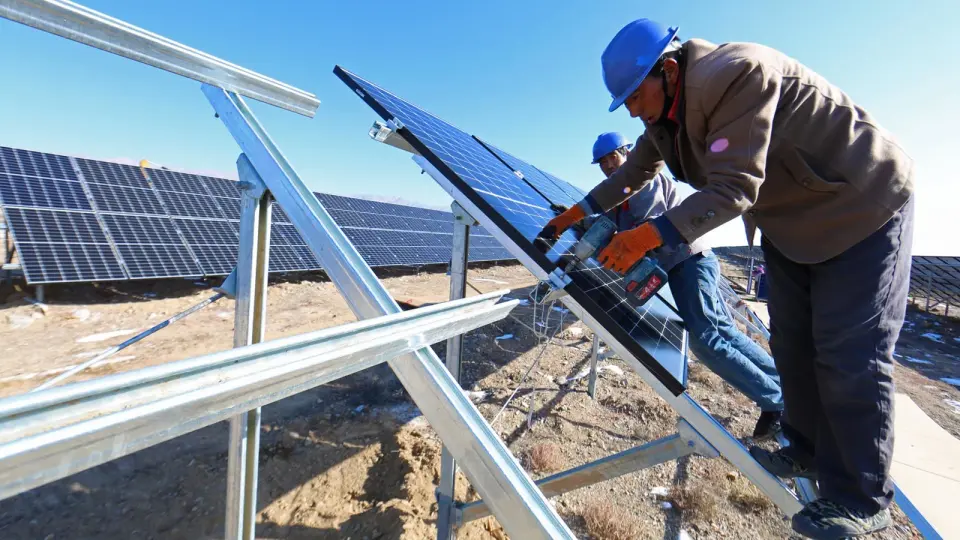
- Solar photovoltaic installers and wind turbine service technicians are expected to grow rapidly due to increased electricity demand from AI infrastructure, though cumulative job additions will be under 15,000.
- Administrative roles face the steepest percentage declines, with word processors and typists dropping 34.3% and data entry keyers falling 25.5% due to automation and AI integration.
- Cashiers will lose the most total jobs, with an expected reduction of 200,600 positions, followed by office clerks and customer service representatives.
Background
Earlier reports from August and September 2026 highlighted that healthcare is expected to account for 37% of all new jobs through 2035, with specific high-paying roles like physician assistants and data scientists identified as key growth areas. Previous analyses also noted that 12 occupations, including word processors and foundry moldmakers, were projected to decline significantly due to automation and 3D printing, aligning with the current BLS data on administrative job losses.
How outlets are covering it
CNBC emphasizes the resilience of healthcare jobs, noting that nurse practitioners lead growth despite AI concerns, and highlights that 'very high' AI exposure does not necessarily predict employment decline. Business Insider focuses on the distinction between AI exposure and job security, noting that 213 occupations have low AI exposure, with some high-paying roles like chemical plant operators still projected to decline. USA Today provides a detailed breakdown of the steepest percentage declines versus the largest absolute job losses, clarifying that while word processors see the biggest percentage drop, cashiers lose the most total positions. All three outlets agree that healthcare, technology, and renewable energy are the primary growth sectors, but they differ in emphasis: CNBC focuses on the top 10 fastest-growing roles, Business Insider on low-AI-exposure careers, and USA Today on the specific mechanics of job loss and gain.
Why it matters
The projections indicate a structural shift in the U.S. labor market, with growth concentrated in healthcare and technology while administrative and manual roles face significant contraction. The slower overall growth rate of 3.5% reflects demographic trends, including an aging population and declining labor force participation. Understanding AI exposure is crucial for workers, as 'very high' exposure does not guarantee job loss, but the integration of automation tools is already driving declines in clerical and data entry positions.
What to watch
Workers and policymakers should monitor the actual implementation of AI in the workplace, as the BLS notes that exposure levels do not directly predict employment trends. The labor force participation rate is expected to decline, which may further slow overall job growth. Industries in healthcare, technology, and renewable energy will likely continue to attract talent, while those in retail and federal government may face continued contraction.
- 6 of the 10 U.S. jobs projected to grow fastest over the next decade are in one industry—and it's not tech or AI CNBC
- 10 High-Paying and Growing Jobs With Low Exposure to AI Business Insider
- These 30 occupations could see the fastest job decline in the next decade: Labor Department The Hill
- US jobs most likely to grow or shrink in the next decade. See list USA Today
- 10 fastest-growing jobs over the next decade, Labor Department says NewsNation
Want the full story? Read the original reporting
Read on CNBC