
US Prescription Drug Prices Fall 3.1%, Largest Drop Since 1963
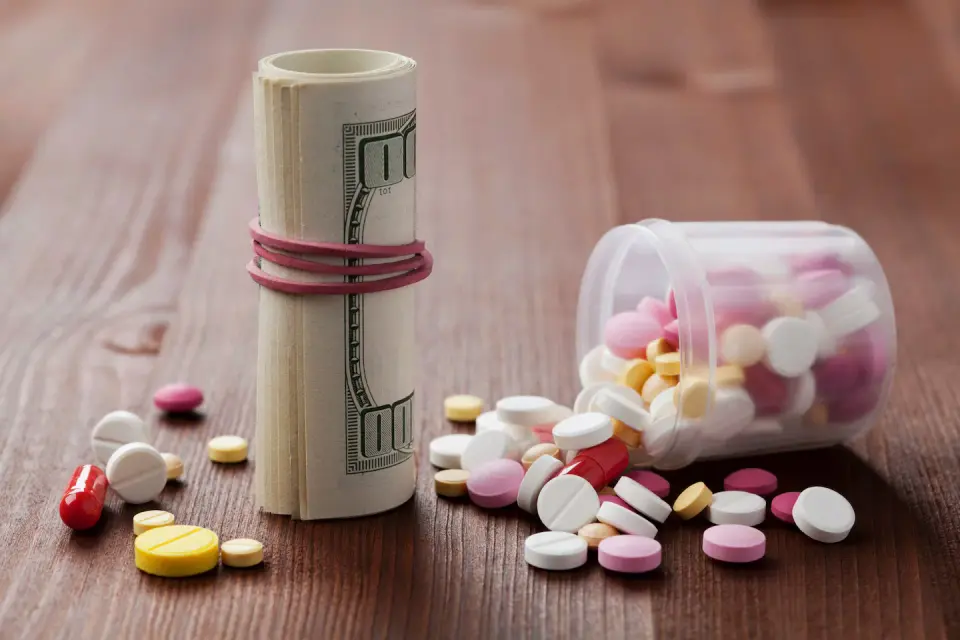
Prescription drug prices in the United States dropped 3.1 percent year-over-year in July, marking the steepest annual decline in over 60 years. This sharp decrease contrasts with rising costs in other medical services and stands out as a rare bright spot in the broader inflation landscape. While the White House attributes the drop to new pricing initiatives and direct-to-consumer platforms, independent experts credit the Biden-era Inflation Reduction Act and the rise of generic medications as the primary drivers. The data, released by the Bureau of Labor Statistics, reflects what pharmacies actually receive, including insurance payments and out-of-pocket costs, rather than list prices set by manufacturers.
Key points
- Bureau of Labor Statistics data shows prescription drug prices fell 3.1 percent over the 12 months ending in July, the largest annual drop since March 1963.
- The White House credits President Trump's pricing agreements and the TrumpRx platform, which offers GLP-1 weight-loss drugs for as low as $150, for the price reduction.
- Independent experts argue the Inflation Reduction Act, which mandates Medicare price negotiations, is the more significant factor, having generated $6 billion in estimated taxpayer savings in its first round.
- A wave of blockbuster drugs losing patent exclusivity has led to cheaper generic substitutes, further lowering the overall index.
- The BLS index tracks actual pharmacy receipts, meaning lower prices may result from better insurance deals or consumer shifts to cheaper alternatives, not just manufacturer price cuts.
Background
This development follows earlier concerns about rising healthcare costs and the end of certain Medicare subsidies in mid-2026. Previous coverage noted that private employers were hesitant to cover GLP-1 weight-loss drugs due to high costs, a barrier that recent price drops may help alleviate. Additionally, studies on polypharmacy have highlighted the risks of multiple medications, making the affordability of essential drugs a critical public health issue.
Why it matters
The decline in prescription drug prices offers potential relief for consumers and insurers amid persistent inflation in other sectors. It signals that policy interventions, whether through government negotiation or market competition, can effectively lower healthcare costs. However, the debate over which policies are responsible highlights the complex interplay between federal mandates, private market dynamics, and consumer behavior in determining final drug prices.
What to watch
Analysts will monitor whether the price drop continues in subsequent months or if it was a temporary anomaly. The full impact of the Inflation Reduction Act's price negotiations will become clearer as more drugs are included in future rounds. Additionally, the success of the TrumpRx platform and other direct-to-consumer models will be evaluated based on their ability to sustain lower prices and expand coverage to a broader range of medications.
Want the full story? Read the original reporting
Read on The Washington Post