
September CPI surge sparks debate over Fed rate hikes
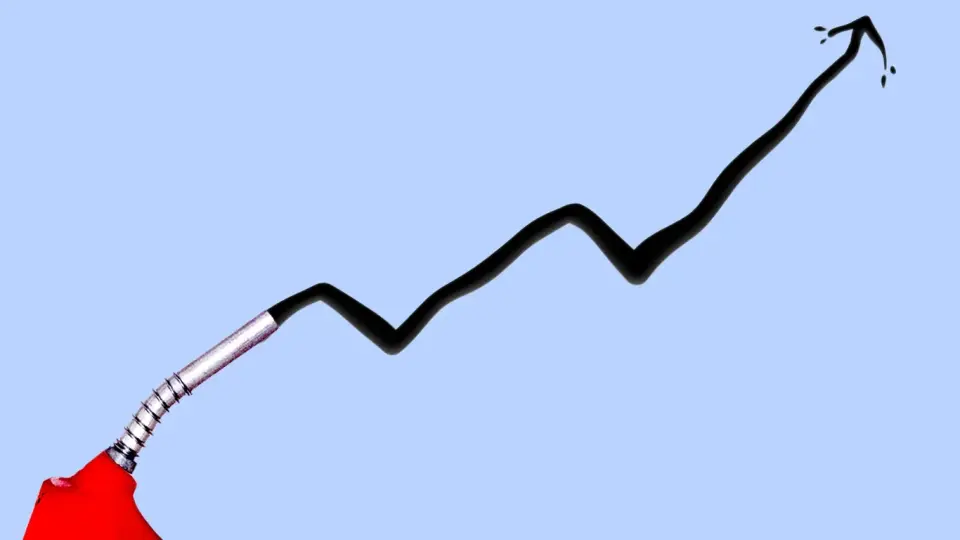
US inflation accelerated in September, with the Consumer Price Index rising 0.6% monthly and 3.7% annually, driven largely by a 9% jump in gasoline prices. Core inflation also climbed, raising concerns that price pressures are broadening beyond energy. Market bets on a Federal Reserve rate hike in late October have surged, while economists debate whether current borrowing costs are sufficient to cool the economy.
Key points
- The CPI rose 0.6% in September, up from 0.4% in August, with the annual rate reaching 3.7%.
- Gasoline prices surged 9% in September, accounting for over half of the monthly CPI increase.
- Core CPI, excluding food and energy, rose 0.3% for the second consecutive month, with the annual rate accelerating to 2.6%.
- Market expectations for a Fed rate hike at the October 27-28 meeting jumped to 47%, up from 22% the day before.
- Real average hourly earnings fell 0.5% in September, marking the sixth consecutive month of decline relative to inflation.
Background
The Federal Reserve raised interest rates for the first time in three years in September, citing above-target inflation. This follows a period where the Fed had been cautious, with officials like New York Fed President John Williams arguing there was 'no need for urgency.' The current inflation surge is partly attributed to energy costs rising since the war with Iran began in February 2026.
How outlets are covering it
Axios highlights that inflation is becoming 'broad-based,' with services like shelter and airfares rising, suggesting energy costs are spilling over. CNN emphasizes the human cost, noting that while stock markets are near record highs, paycheck-dependent Americans are feeling the squeeze. CFO Dive reports that 59% of corporate economists believe current borrowing costs are too low to cool inflation, while 84% expect another rate hike before 2027. Cleveland Fed President Beth Hammack advocates for 'frequent small adjustments' to prevent inflation from becoming entrenched, contrasting with more patient Fed officials.
Why it matters
Rising inflation and potential rate hikes could increase borrowing costs for consumers and businesses, potentially slowing economic growth. The divergence between hawkish and dovish Fed officials creates uncertainty for markets and households, with real wages already declining for six months.
What to watch
The Federal Reserve's policy meeting on October 27-28 will be critical, with market odds for a rate hike now at 47%. Economists will watch whether core inflation continues to rise or if higher borrowing costs begin to dampen demand. The next CPI report will be key in determining the Fed's next move.
Want the full story? Read the original reporting
Read on Axios