
Billions in tariff refunds flow to corporations, not consumers
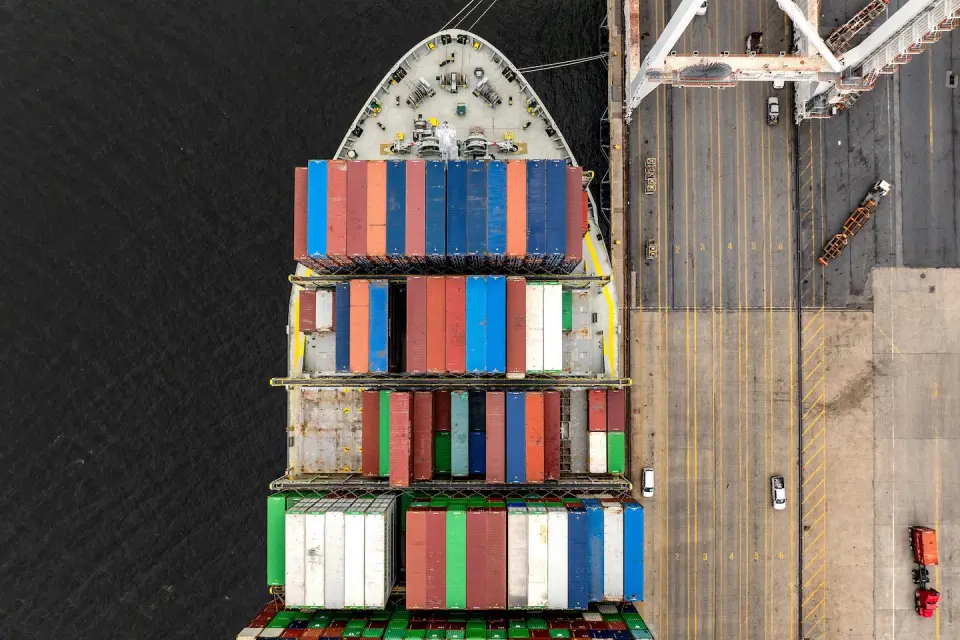
The U.S. government has refunded $100 billion in illegal tariffs to major corporations, but consumers are unlikely to see direct cash returns.
Key points
- The Trump administration has refunded $100 billion in tariffs, roughly 60% of the $166 billion collected, following a Supreme Court ruling that declared the levies illegal.
- Major corporations have received the bulk of refunds, including $2.2 billion for Apple, $1.3 billion for Ford, and $600 million for Amazon.
- Consumers are not entitled to direct refunds under current customs laws, which only allow importers or their brokers to claim the money.
- Some companies, like Amazon, plan to pass refunds to customers in limited cases, while others, like Apple, are using funds for manufacturing expansion.
- The Tax Foundation estimates that U.S. households paid an average of $1,000 extra in 2025 due to these tariffs.
Background
In February 2026, the Supreme Court ruled that the 'Liberation Day' tariffs were illegal because they exceeded presidential authority under the International Emergency Economic Powers Act (IEEPA). This decision triggered a massive refund process managed by U.S. Customs and Border Protection (CBP). Prior to the ruling, the administration had proposed $2,000 rebate checks for consumers, but these were never implemented. The current refund system is complex, with over 252,000 declarations processed, and involves ongoing legal challenges regarding how the money is distributed.
How outlets are covering it
Outlets agree that corporations are receiving the majority of the refunds, but they differ on the likelihood of consumer relief. The Washington Post and BBC emphasize that the legal structure prevents direct consumer refunds, noting that only importers can claim the money. CNN highlights that while some companies like Amazon and Costco have promised to pass savings to customers through lower prices or direct refunds in specific cases, others like Apple are using the funds for corporate expansion. NBC News points out that some companies, like Nintendo, argue that consumers agreed to price increases at the time of purchase and are therefore not entitled to refunds. The Washington Post also notes that the complexity of layered tariffs makes it difficult to trace exactly how much of a refund came from consumer-paid costs.
Why it matters
The distribution of tariff refunds highlights a significant gap between corporate recovery and consumer relief. While businesses are recouping billions, households that bore the cost of higher prices are largely excluded from the refund process, raising questions about the economic impact of trade policy on everyday Americans.
What to watch
The government is expected to process the remaining $29 billion in pending refund claims, with another $1.6 billion stuck due to missing banking details. Companies may continue to decide how to allocate their refunds, potentially leading to further class action lawsuits from consumers seeking direct compensation. The administration may also explore new tariff structures to replace the voided IEEPA levies.
- The Trump administration has refunded $100 billion in tariffs. Will you get any of the money? The Washington Post
- Corporate America got billions of dollars in tariff refunds. Where’s your cut? Yahoo Finance
- Trump administration pays back $100bn in 'Liberation Day' tariffs to businesses BBC
- The Trump administration has paid $100 billion in tariff refunds. Consumers shouldn’t expect to see much of it. NBC News
- U.S. companies got $100 billion in tariff refunds, but Americans are still looking for their cut Fortune
Want the full story? Read the original reporting
Read on The Washington Post