
Retail Giants Absorb $5B in Tariff Refunds, Leaving Consumers With Rising Costs
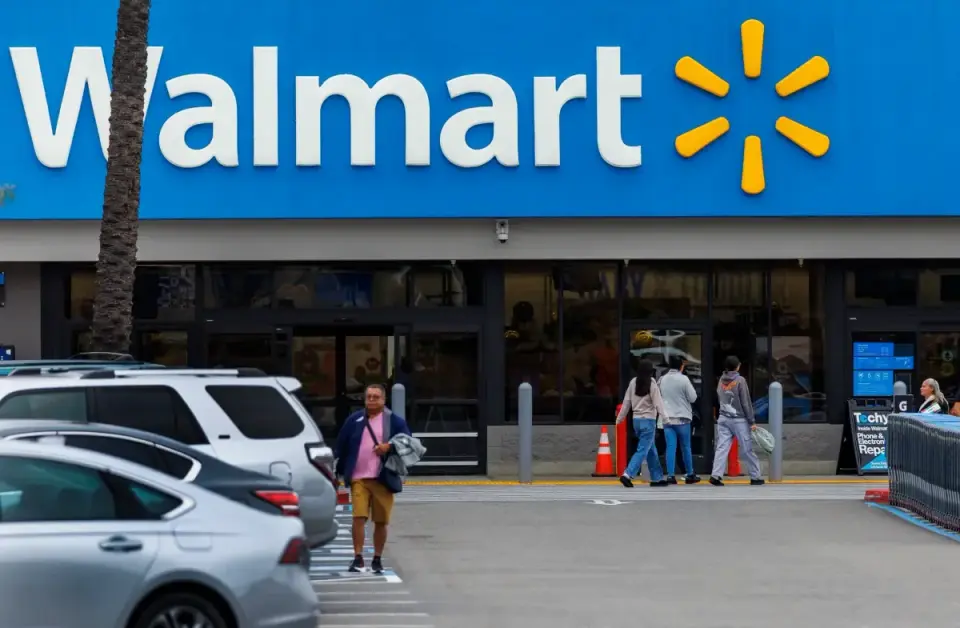
Following a Supreme Court ruling that struck down Trump-era tariffs, major U.S. retailers have received over $5 billion in refunds. While Walmart and Target used portions of these funds to lower prices or boost margins, most consumers face no direct relief. The refunds mask underlying sales weakness and rising energy costs, with households still paying approximately $1,100 more annually due to trade policies.
Key points
- Walmart received the largest refund at $2.9 billion, followed by Target at $994 million and Home Depot at $730 million.
- The five major retailers reported collectively received just over $5 billion, representing 5% of the $166 billion total owed to 330,000 importers.
- Walmart explicitly linked some price reductions to the refund, while Target highlighted price cuts without directly connecting them to the windfall.
- Home Depot, Lowe's, and TJX used the funds to reduce cost of sales, thereby boosting gross profits rather than lowering consumer prices.
- TJX allocated $112 million of its $331 million refund to employee bonuses and incentives.
- Underlying sales remain weak; Target's margin would have dropped to 1% without the refund, and Home Depot saw a decrease in transaction volume.
Background
In February 2026, the Supreme Court ruled that tariffs levied under the International Emergency Economic Powers Act (IEEPA) were illegal. This triggered a repayment process managed by U.S. Customs and Border Protection (CBP). As of late July, approximately $100 billion had been repaid, with an additional $29 billion approved for liquidation. Earlier reports indicated that large tech firms like Apple and Amazon received significant payouts, but the current focus is on how retail giants are utilizing these funds amid rising consumer costs.
How outlets are covering it
TPM emphasizes that the refunds are being used to appease investors and boost corporate margins rather than benefit shoppers, noting that consumer confidence has dropped. WWD highlights that while some footwear brands like Nike and Amer Sports received substantial refunds, shoppers are largely excluded from the process, with lawsuits filed by consumers arguing that companies are benefiting twice. The Fortune source was inaccessible due to an error page, so its perspective could not be synthesized. TPM notes that while Walmart and Target mentioned price cuts, the majority of retailers used the cash to improve gross profit metrics, masking the negative impact of higher fuel costs and weakening sales.
Why it matters
The distribution of $166 billion in tariff refunds highlights a disconnect between corporate windfalls and consumer relief. While large retailers use these funds to stabilize earnings and boost margins, average households continue to face higher costs, with estimates showing an additional $1,100 spent annually due to tariffs. This disparity raises questions about the effectiveness of trade policy in protecting consumers and the role of corporate lobbying in shaping economic outcomes.
What to watch
CBP is expected to process the remaining $29 billion in approved refunds in the coming months. More companies are anticipated to report their refund amounts as they release quarterly earnings. Legal challenges from consumers seeking direct refunds may continue, though CBP is only processing claims from registered importers. Retailers may continue to use refunds to offset rising energy costs and maintain margins, with limited impact on consumer prices.
- Biggest US Retailers Use $5 Billion in Trump Tariff Refunds to Appease Investors Talking Points Memo
- Fortune 500 companies got billions in tariff refunds. Here's who's giving customers a cut—and who isn't Fortune
- Nike, Target, Amer Sports + More Companies Have Gotten Tariff Refunds — Will Shoppers See Them Too? WWD
- US Supreme Court said no to Trump’s tariffs, and now German companies are getting refunds in hundreds of millions Malay Mail
- Bessent calls $166B tariff refund a ‘corporate bonanza’ The Black Chronicle
Want the full story? Read the original reporting
Read on Talking Points Memo