
Thanksgiving costs hit record high as turkey prices surge 10% amid inflation
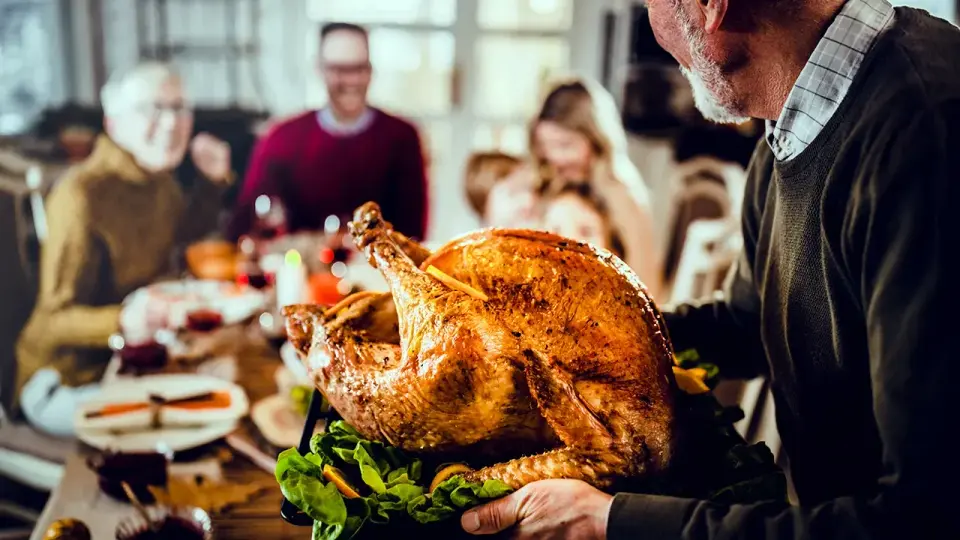
The cost of a Thanksgiving dinner for ten people has reached an all-time high, driven by a 10% spike in turkey prices and broader inflation. While some analyses suggest slight decreases due to retailer promotions, most consumers face higher bills, leading to increased reliance on credit cards and budget cuts.
Key points
- The American Institute for Economic Research reports Thanksgiving food prices rose 2.6% year-over-year, reaching a 32.1% increase since 2019.
- Turkey prices jumped 8.4% to 10%, driven by avian flu recovery, high diesel costs, and concentrated seasonal demand.
- The American Farm Bureau Federation estimates the average dinner for ten costs $58.63, up 6.3% from last year.
- Wells Fargo estimates the average meal cost at $78.93, down 0.4% due to retailer promotions absorbing costs.
- LendingTree reports 53% of consumers are adjusting holiday plans due to inflation, with 62% of hosts considering borrowing.
- Urban Institute data shows 63% of Americans use credit cards for groceries, with 25% struggling to pay off food debt.
Background
This follows a trend of rising holiday travel and food costs noted in recent months. In November 2026, holiday airfares hit 10-year highs due to fuel costs, and AAA predicted a slight dip in travel numbers. Earlier this month, wholesale turkey prices rose 12% due to feed and fuel costs, pressuring farmers like DiPaola Turkey Farms in New Jersey. The current price surge is part of a broader post-pandemic inflation trend that has not fully receded, despite slower headline inflation rates.
How outlets are covering it
Outlets disagree on the overall cost trend. Fox Business and the American Institute for Economic Research emphasize a 2.6% to 32.1% cumulative increase, highlighting the burden of cumulative inflation. CNN and the American Farm Bureau Federation report a 6.3% increase to $58.63 for ten, noting diesel and avian flu impacts. Conversely, Wells Fargo’s Agri-Food Institute found the average meal cost down 0.4% to $78.93, attributing this to retailers absorbing costs to maintain sales volume. NPR highlights consumer behavior changes, such as couponing and reducing guests, while CBS News focuses on the financial strain, noting that 25% of grocery shoppers are struggling with credit card debt and 10% are using Buy Now, Pay Later services, often missing payments.
Why it matters
Rising food costs are forcing households to alter holiday traditions, increase debt, and shift to discount retailers like Aldi. The disparity between wholesale and retail prices indicates that farmers are bearing significant inflationary pressures, while consumers face financial strain that may persist beyond the holiday season, impacting broader economic stability and consumer confidence.
What to watch
Experts expect grocery price increases to slow by next Thanksgiving, but current high prices remain embedded in the economy. Consumers are likely to continue using credit and BNPL services, potentially leading to long-term financial instability. Retailers may maintain promotions to drive volume, but the underlying cost pressures from diesel and feed are unlikely to resolve quickly.
- Thanksgiving dinner prices hit an all-time high – and one staple is driving the surge Fox Business
- Let's talk turkey: Here's how Thanksgiving meal costs have changed this year NPR
- Turkey, cranberries and sweet potatoes are all more expensive this Thanksgiving CNN
- Taking on credit card debt to buy food CBS News
- Thanksgiving dinner prices are up. Here’s what Oregon shoppers can expect to pay OregonLive.com
Want the full story? Read the original reporting
Read on Fox Business