
The $52,000 Car Price Tag Is Forcing Americans to Rely on 14-Year-Old Vehicles
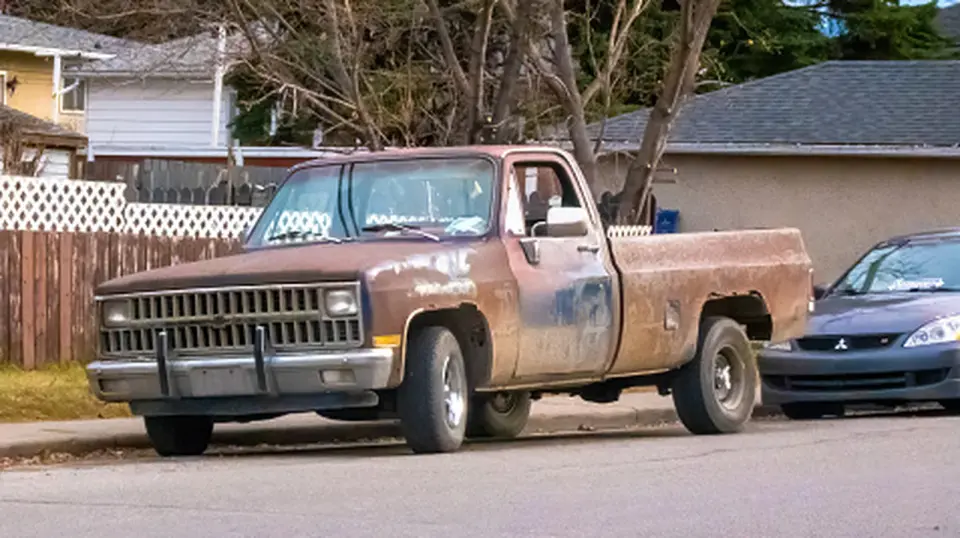
The average new car transaction price has reached an all-time high of nearly $52,000, a cost that exceeds the savings of most Americans. Consequently, new car sales have dropped 3.6%, while the average age of vehicles on the road has climbed to 14.5 years. This shift reflects a broader affordability crisis where consumers are prioritizing older, durable vehicles over new purchases due to high interest rates and stagnant wages.
Key points
- The average new car transaction price has reached approximately $52,000, an all-time high.
- New car sales have declined by 3.6% compared to the previous year.
- The average age of a registered passenger car has risen to 14.5 years, the highest level on record.
- Used prime loan rates have increased to 12.9%, adding roughly 37 basis points to costs since September.
- Total interest on used vehicle loans has nearly doubled from 2019 to today, rising from $5,600 to nearly $11,000.
- Prices for cars aged eight to ten years have increased by nearly 10% year-over-year.
Background
This trend follows earlier reports from October 2026 indicating that young Americans are increasingly purchasing late-1990s and early-2000s vehicles to avoid debt. That shift was driven by the same prohibitive costs of new cars and high loan payments, with buyers seeking reliability and ease of repair in older models. The current data confirms that this behavior is now widespread across the general population, not just younger demographics, as the average vehicle age continues to rise.
How outlets are covering it
Jalopnik emphasizes the personal financial strain of new car ownership, noting that average monthly payments have exceeded $700 and that many consumers are sticking with older vehicles due to a lack of interest in new models. CarScoops highlights a structural shift in the market, arguing that the industry is now dependent on wealthy buyers who can pay cash, while the majority struggle with rising interest rates and maintenance costs. WAFB focuses on the political and economic implications, with economist Dr. David Bieri noting that car costs represent eight months of median income and that the lack of affordable domestic entry-level vehicles exacerbates the crisis. While Jalopnik frames the issue as a consumer choice driven by durability, CarScoops and WAFB frame it as a systemic affordability failure driven by wage stagnation and asset concentration.
Why it matters
The rising age of vehicles and falling new car sales indicate a deepening affordability crisis that affects more than just transportation. As interest rates climb and wages fail to keep pace with costs, the inability to purchase new cars signals broader economic stress. This trend may lead to increased safety risks from older vehicles and a market that becomes increasingly reliant on a small segment of wealthy consumers, potentially destabilizing the automotive industry if the broader population remains priced out.
What to watch
Analysts expect the reliance on older vehicles to continue as interest rates remain high and wages stagnate. The automotive industry may face further pressure if the current trend of wealthy buyers driving sales does not sustain itself, potentially leading to a deeper slowdown in new car production. Consumers may continue to seek out used or older models, driving up prices in those segments as well.
- Are You Keeping An Old Car On The Road Because New Cars Are Too Expensive? Jalopnik
- The 2026 Car Market Depends On Buyers Who Can Afford To Ignore The Car Market CarScoops
- Covering the Co$t: The Necessity and Luxury of Buying a Car WAFB
- Car payment prices and increases in the "American Dream" WKMG
- The Hardest New Cars To Find Right Now Fall Below This Price Yahoo Autos
Want the full story? Read the original reporting
Read on Jalopnik