Tag

Consumer Debt

All articles tagged with #consumer debt

Trump backs 10% credit card rate cap, signaling bipartisan push with incoming Democratic Congress
economy2 days ago

Trump backs 10% credit card rate cap, signaling bipartisan push with incoming Democratic Congress

President Donald Trump confirmed on Saturday that he is willing to collaborate with Democrats to implement a one-year cap on credit card interest rates at 10%. This statement follows a record rise in national credit card balances to $1.29 trillion. While the proposal has drawn support from both sides of the aisle, including Senators Josh Hawley and Elizabeth Warren, major banking associations warn that such a cap could restrict credit access for lower-score borrowers. Trump framed the measure as a 'common sense' response to excessive fees, despite previous Republican inaction on the issue.


Funeral Costs Soar 310% Since 1986, Driving 37% of Grieving Families Into Debt
economy9 days ago

Funeral Costs Soar 310% Since 1986, Driving 37% of Grieving Families Into Debt

A new report from the Groundwork Collaborative reveals that the average U.S. family spends over $7,000 on funeral expenses, a figure that has risen 310% since 1986. This cost surge has led 37% of families to incur debt in 2025. The report highlights that mandatory basic services fees alone reached $2,495 in 2023, with additional costs for caskets, embalming, and headstones often pushing total expenses past $10,000. These financial burdens are compounded by probate fees, which typically consume 3% to 8% of an estate's value, and administrative tasks that can take survivors 570 hours to complete. The report recommends policy changes, including mandatory online price transparency, increased Social Security death benefits, and a federal life insurance program, to alleviate the financial strain on grieving families.

Record $1.29 Trillion Credit Card Debt Signals Deepening Consumer Strain
economy12 days ago

Record $1.29 Trillion Credit Card Debt Signals Deepening Consumer Strain

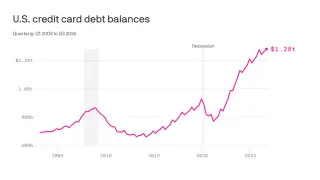
American credit card balances hit a record $1.29 trillion in the third quarter of 2026, driven by persistent inflation and depleted savings. While total household debt reached $19.1 trillion, spending is slowing as consumers prioritize value and delay purchases. The financial strain is unevenly distributed, with lower-income households facing higher delinquency rates, while homeowners benefit from stable mortgage payments and rising real estate equity.

The $52,000 Car Price Tag Is Forcing Americans to Rely on 14-Year-Old Vehicles
economy1 month ago

The $52,000 Car Price Tag Is Forcing Americans to Rely on 14-Year-Old Vehicles

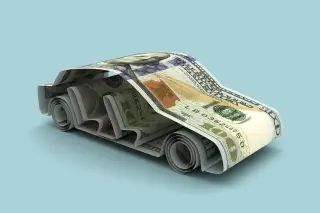
The average new car transaction price has reached an all-time high of nearly $52,000, a cost that exceeds the savings of most Americans. Consequently, new car sales have dropped 3.6%, while the average age of vehicles on the road has climbed to 14.5 years. This shift reflects a broader affordability crisis where consumers are prioritizing older, durable vehicles over new purchases due to high interest rates and stagnant wages.

Fed data reveals income compression but record debt distress
economy1 month ago

Fed data reveals income compression but record debt distress

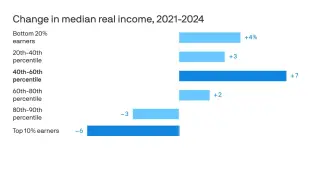
The Federal Reserve's 2025 Survey of Consumer Finances shows a sharp drop in income inequality as top earners' real incomes fell 14% while median family income rose 7% from 2021 to 2024. However, wealth inequality widened significantly, with the top 10% seeing net worth jump 31% while the bottom 40% saw slight declines. Simultaneously, debt distress hit a 15-year high, with nearly 20% of families behind on payments, a level not seen since the Great Recession.

Longer Loans and Rising Prices Trap Buyers in Deepening Car Debt
personal-finance1 month ago

Longer Loans and Rising Prices Trap Buyers in Deepening Car Debt

U.S. car buyers face a growing trap of negative equity as rising vehicle prices and extended loan terms outpace depreciation. While average new car prices have climbed 31% since 2019, loan terms have lengthened to an average of 70 months, with a record 25% of buyers choosing 84-month loans. This mismatch means many drivers trade in vehicles before paying off their loans, rolling unpaid balances into new financing. Experts warn this creates a cycle of 'permanent car debt,' where monthly payments remain manageable but total interest costs soar, potentially preventing buyers from ever owning a vehicle outright.

BNPL Lenders Expand to Utilities and Rent as US Households Face Rising Costs
economy3 months ago

BNPL Lenders Expand to Utilities and Rent as US Households Face Rising Costs

Buy now, pay later (BNPL) services are shifting from retail purchases to essential bills like electricity, rent, and medical care. US spending on these loans reached $160 billion in 2025, nearly double the 2023 figure. While lenders like Affirm and Zip expand into utility financing, critics warn that high fees and interest rates trap low-income households in debt cycles, especially as energy and food prices rise.

Capital One's Auto Lending Bet: Longer Loans, Steady Payments
business6 months ago

Capital One's Auto Lending Bet: Longer Loans, Steady Payments

Capital One Auto President Sanjiv Yajnik says rising auto debt and high used-car prices aren’t worsening affordability, noting the payment-to-income ratio has stayed around 10% since 2019 and most buyers finance under 15%. To keep monthly payments manageable, many are taking 72–84 month loans, a trend that can slow equity buildup and raise the risk of negative equity, though consumers still rely on cars for work and daily needs.

Trump Wields Executive Power to Direct Costs and Markets Ahead of Election
politics-and-policy10 months ago

Trump Wields Executive Power to Direct Costs and Markets Ahead of Election

Trump expands executive interventions to steer prices and markets, pressuring the Fed and pursuing bold actions—including a $200 billion mortgage-backed securities purchase, limits on single-family home buyers, a cap on credit-card interest, and Venezuela-linked energy moves—to deliver quick relief before the election, challenging traditional policymaking and raising concerns about market stability and Fed independence.