
CFR Expert Argues China’s 20% Currency Undervaluation Is Fueling Global Trade Imbalance
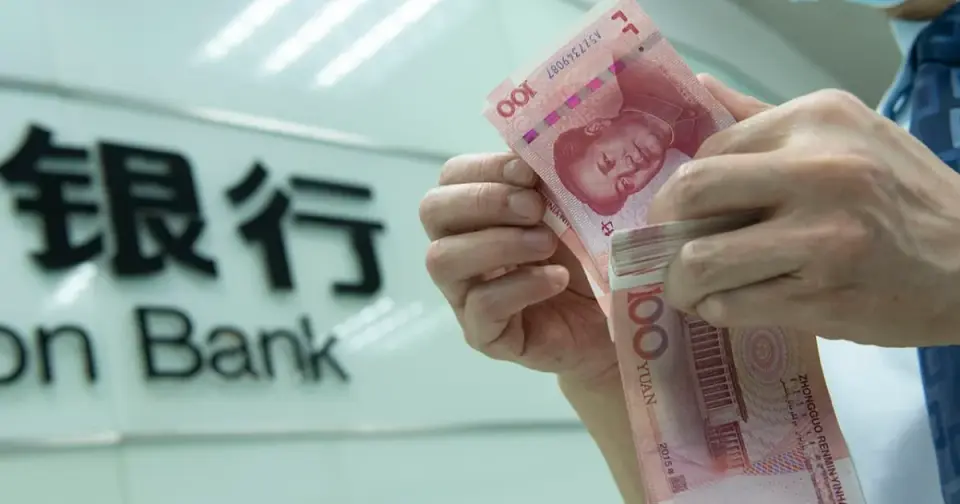
Brad Setser of the Council on Foreign Relations argues that China’s renminbi is undervalued by 20-35%, driving a trade surplus of 4-6% of GDP. He contends that allowing the currency to strengthen is the most effective way to reduce this imbalance, countering views from prominent economists who advocate waiting for domestic demand to grow naturally.
Key points
- China’s current account surplus is estimated at 4% of GDP, but adjustments for gold imports and misreported investment income suggest a surplus of 6% and a currency undervaluation of 30-35%.
- The People’s Bank of China actively manages the exchange rate, buying approximately $50 billion in foreign currency monthly to keep the yuan within a controlled band.
- Setser argues that a 10-15% nominal appreciation would significantly reduce China’s export boom, which has added 6 percentage points to its growth over the last six years.
- He rejects the view that nominal currency moves are offset by deflation, noting that China’s export acceleration in 2023-2025 correlates with currency weakness.
- Setser warns that waiting for China to voluntarily shift to domestic consumption could lead to prolonged inaction and increased global dependence on Chinese industrial output.
Background
This analysis follows recent tensions over global trade imbalances, including the Senate’s approval of the Lindsey O Graham Sanctioning Russia Act, which proposes tariffs on top Russian energy buyers like China. It also aligns with broader concerns about the shifting global financial order, as highlighted by Ray Dalio’s warnings about the U.S. dollar’s declining reserve status and the coordinated yen defense by Japan and the U.S. in August 2026.
Why it matters
China’s persistent trade surplus and managed currency policy distort global markets, forcing trading partners to absorb excess exports and risking structural dependence on Chinese industrial capacity. Without currency adjustment, the imbalance may worsen, exacerbating deflationary pressures in China and inflationary costs elsewhere.
What to watch
The debate may intensify as Europe and other allies consider whether to pressure China for currency reform or accept the status quo. If China continues to resist nominal appreciation, it may face increased diplomatic friction or trade restrictions, while its domestic policymakers may eventually be forced to implement fiscal stimulus to support household consumption.
- The World Should Not Ignore China’s Undervalued Currency Council on Foreign Relations
- Don’t blame global imbalances on the undervalued yuan The Economist
Want the full story? Read the original reporting
Read on Council on Foreign Relations