
US Tariff Refunds Reach $100 Billion, but Corporate Payouts Leave Consumers Waiting
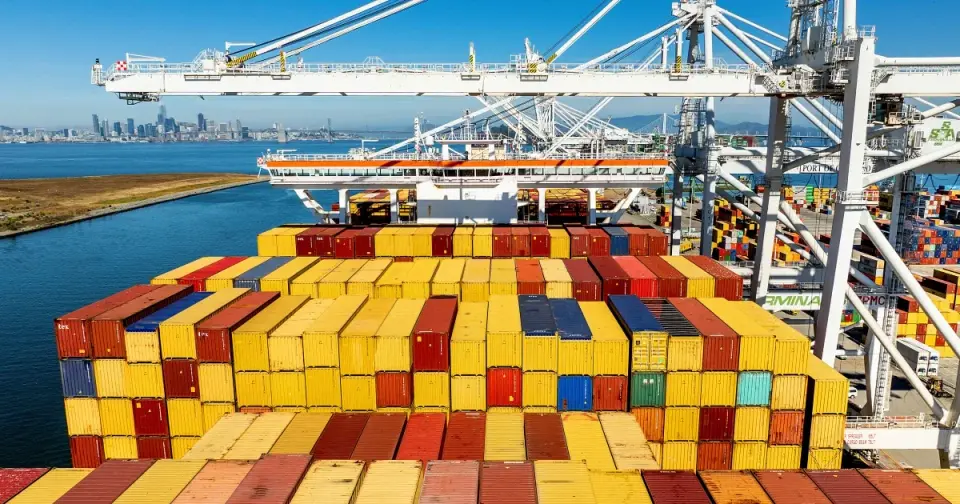
The US government has refunded approximately $100 billion in tariffs to businesses, representing over half of the $166 billion collected before the Supreme Court struck down the duties. While large corporations like Apple and Amazon have received billions, consumers who paid higher prices are largely excluded from direct refunds, with companies using the funds for reinvestment or price reductions instead.
Key points
- The Trump administration has completed refunds totaling approximately $100 billion, including duties and interest, as reported in a US Court of International Trade filing.
- This amount represents more than half of the $166 billion in tariffs collected prior to the Supreme Court's February ruling that the International Emergency Economic Powers Act (IEEPA) does not authorize such unilateral duties.
- Major corporations have received significant payouts; Apple received an estimated $2.2 billion, Amazon approximately $600 million, and Nike around $300 million in the last quarter.
- Under current customs law, only importers who directly paid the tariffs are eligible for refunds, meaning consumers who absorbed higher retail prices have no legal mechanism to claim their share.
- Approximately $29 billion in potential refunds remains under review by trade authorities, while $1.6 billion is pending due to missing banking details from importers.
Background
Following the Supreme Court's February 2026 ruling that struck down broad tariffs imposed under IEEPA, the administration moved to refund collected revenues. Prior to this, the administration had floated $2,000 rebate checks for consumers, which never materialized. The refunds are part of a broader shift in trade policy, where the administration replaced the struck-down tariffs with temporary 10% universal tariffs and subsequently new Section 301 tariffs on 60 trading partners, including a 50% tariff on Canada.
How outlets are covering it
NBC News and BBC report that the $100 billion refund figure is confirmed by court filings and represents a significant portion of the total owed. Yahoo Finance, citing CNN, emphasizes the disparity between corporate gains and consumer losses, noting that while companies like Apple and Amazon received billions, consumers are not legally entitled to refunds. Rep. Greg Casar criticized the administration for directing funds to companies rather than working people. Amazon's CFO stated that some refunds will be passed to customers where specific charges can be traced, but most will be used to maintain low prices. Costco and Nike are facing class-action lawsuits from customers demanding a share of the refunds, while Apple is using the funds to expand US manufacturing.
Why it matters
The distribution of tariff refunds highlights a structural gap in US trade policy where corporate importers benefit directly from legal reversals, while consumers who bore the cost of higher prices lack a direct mechanism for reimbursement. This dynamic influences corporate strategy, with some firms using refunds to offset rising energy and freight costs or to expand domestic operations, rather than lowering prices for shoppers.
What to watch
The total refund amount is expected to rise as the US Customs and Border Protection agency reviews the remaining $29 billion in pending claims and importers provide missing banking details for the $1.6 billion in stuck funds. The administration continues to implement new tariffs under Section 301, which are currently being challenged in court by small businesses and 25 states.
- Trump administration has refunded $100 billion in tariffs struck down by Supreme Court, filing shows NBC News
- Corporate America got billions of dollars in tariff refunds. Where’s your cut? Yahoo Finance
- Trump administration has refunded $100 billion in scrapped IEEPA tariffs qz.com
- U.S. companies got $100 billion in tariff refunds, but Americans are still looking for their cut Fortune
- Trump administration pays back $100bn in 'Liberation Day' tariffs to businesses BBC
Want the full story? Read the original reporting
Read on NBC News