
Trump demands oil giants cut gas prices after record war profits
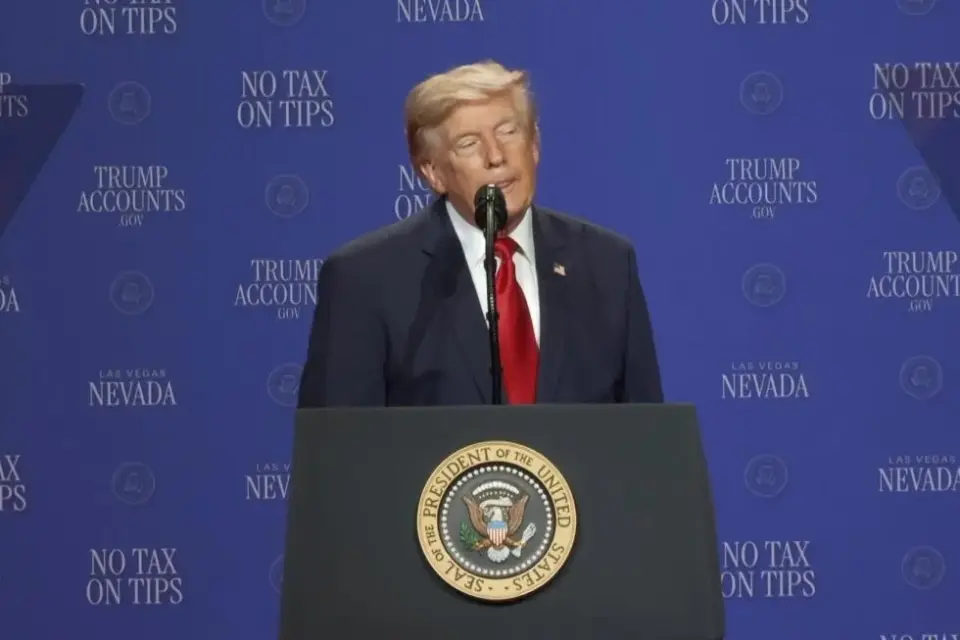
President Donald Trump criticized major oil companies for generating excessive profits during the ongoing conflict with Iran, urging them to lower retail gasoline prices for consumers. While the war has driven fuel costs significantly higher, energy giants like ExxonMobil and Chevron reported massive earnings surges, prompting the president to demand they return some of those gains to the public.
Key points
- Trump stated that oil companies are making 'too much money' due to the Iran conflict and should cut consumer prices.
- ExxonMobil reported Q2 profits of $14.5 billion, more than double the previous year, while Chevron’s profits jumped nearly 400% to $12.1 billion.
- Saudi Aramco also saw a 33% profit surge to $33.4 billion, though it has faced export challenges via the Red Sea due to Houthi attacks.
- U.S. gasoline prices have risen approximately 37-40% since the war began, averaging around $4.10 per gallon compared to $2.98 pre-conflict.
- Trump predicted oil prices would 'drop through the floor' once the war ends, despite current volatility and diplomatic uncertainties.
Background
This tension follows a period of significant market volatility. In early August, U.S. stocks rallied slightly on hopes of a Strait of Hormuz reopening deal, while oil prices remained elevated. Earlier in July, the collapse of a U.S.-Iran ceasefire caused oil spikes that dragged U.S. stocks lower. Analysts had previously warned that gas prices could remain high for weeks due to supply disruptions, with some forecasts predicting prices above $4.30 per gallon.
How outlets are covering it
AP News highlights Trump’s prediction that oil prices will fall once the war ends, noting this claim has yet to materialize. CNN emphasizes the political optics for Trump ahead of midterm elections, contrasting the oil companies' windfall profits with the affordability crisis facing American consumers. CNBC focuses on the specific financial figures, noting that Chevron and Exxon profits soared due to the supply shortage, while CBS News notes that while Trump demands lower prices, the Energy Information Administration indicates crude oil accounts for only 51% of gas costs, with refining and distribution making up the rest. All sources agree that oil prices remain significantly higher than pre-war levels, despite recent dips in crude prices due to diplomatic hopes.
Why it matters
The conflict between the administration and oil majors highlights the tension between corporate profitability and consumer affordability during geopolitical crises. High fuel costs are straining household budgets, with polls showing that half of Americans are experiencing financial difficulties due to elevated prices. This dynamic could influence public sentiment and voting behavior in upcoming midterm elections, as the administration seeks to demonstrate economic relief while oil companies capitalize on supply constraints.
What to watch
Investors and consumers will watch for any further diplomatic progress between the U.S. and Iran, which could lead to a reopening of the Strait of Hormuz and a subsequent drop in oil prices. Oil companies may face increased political pressure to reduce prices or implement measures to offset consumer costs, though they maintain that market forces, not government mandates, determine fuel prices. The outcome of peace talks will be critical in determining whether the current price surge continues or reverses.
- Trump says ‘we may have to’ send oil prices higher during speech talking up the economy AP News
- Oil companies are making a fortune from the US-Iran war. That’s a problem for Trump CNN
- Nicola Jennings on Donald Trump’s complaints about oil companies – cartoon The Guardian
- Trump says Exxon and Chevron made 'too much money' off high oil prices during Iran conflict: 'I don't like it' CNBC
- Trump says oil companies should cut gas prices after making "too much money" CBS News
Want the full story? Read the original reporting
Read on AP News