
Trump threatens Bombardier sales ban as Canada's $20B tariffs take effect
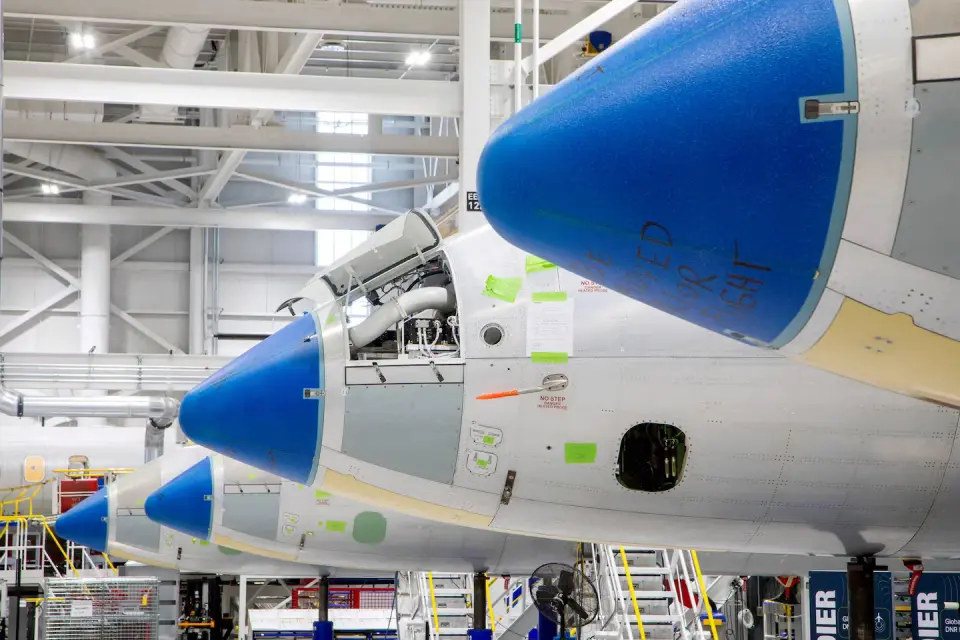
President Donald Trump threatened to ban Canadian aerospace company Bombardier from selling aircraft in the United States unless it moves production to American soil. This threat coincided with the implementation of Canadian retaliatory tariffs on approximately $20 billion worth of U.S. goods, marking a significant escalation in the ongoing trade dispute between the two nations.
Key points
- Trump posted on Truth Social that Bombardier must build its planes in the U.S. to retain market access, claiming Canadian products are not good enough.
- Canada implemented retaliatory tariffs on roughly $20 billion of U.S. imports on Tuesday, responding to earlier 50% U.S. levies on Canadian goods.
- Bombardier responded by highlighting its extensive U.S. footprint, including over 1,000 jobs in Kansas and facilities in Texas and California, while emphasizing its use of American-made components.
- Senator Jerry Moran (R-Kan.) pushed back against the threat, noting Bombardier's critical role in the Kansas defense and aerospace workforce.
- U.S. Commerce Secretary Howard Lutnick accused Canada of blowing up a nearly complete trade deal for political reasons, while Prime Minister Mark Carney stated Canada would resume talks when the U.S. is ready.
Background
This escalation follows months of deteriorating trade relations, including U.S. tariffs on Canadian vehicles and steel, and Canada’s subsequent retaliatory measures. The dispute has intensified ahead of the 2026 midterm elections, with both sides accusing the other of using trade policy for political gain. Bombardier has previously stated it values its partnership with American companies and continues to invest in U.S. facilities despite the tensions.
How outlets are covering it
The Washington Post and CNBC focused on the immediate threat to Bombardier’s U.S. sales and the timing of Canada’s tariff implementation. NBC News highlighted the political friction, specifically the pushback from Republican Senator Jerry Moran, who defended Bombardier’s job creation in Kansas. AP News emphasized Bombardier’s extensive U.S. supply chain and workforce, noting that key components like wings and flight controls are made in Texas and California. While all outlets agreed on the core facts, NBC and AP placed greater emphasis on the domestic economic impact and political resistance within the U.S., whereas The Post and CNBC framed the event primarily as a retaliatory measure in the broader bilateral trade war.
Why it matters
The threat to ban Bombardier could disrupt supply chains and affect American buyers, including major firms like NetJets. It also signals a potential shift in U.S. trade policy toward stricter localization requirements for foreign manufacturers. The escalating tariffs and retaliatory measures risk further straining the U.S.-Canada economic relationship, potentially impacting broader markets and consumer prices.
What to watch
The immediate next step is the enforcement of Canada’s $20 billion in retaliatory tariffs. The U.S. administration has not yet specified how it would enforce a ban on Bombardier sales, but further diplomatic or trade negotiations are expected to follow, possibly influenced by the upcoming midterm elections. Bombardier is likely to continue defending its U.S. investments and may seek legal or regulatory avenues to challenge any potential ban.
- Trump threatens to ban Bombardier jet sales as Canada’s tariffs take effect The Washington Post
- Trump calls for a Bombardier plane ban, drawing pushback from a GOP senator NBC News
- Bombardier points out U.S. footprint after Trump says aerospace giant must build in America CNBC
- Trump says Canada's Bombardier must build jets in US or lose market access Reuters
- Trump threatens Canadian jetmaker Bombardier, which has an extensive US footprint AP News
Want the full story? Read the original reporting
Read on The Washington Post