
Trump Threatens Trade Halt to Force Fed Rate Cuts After Strong Jobs Data
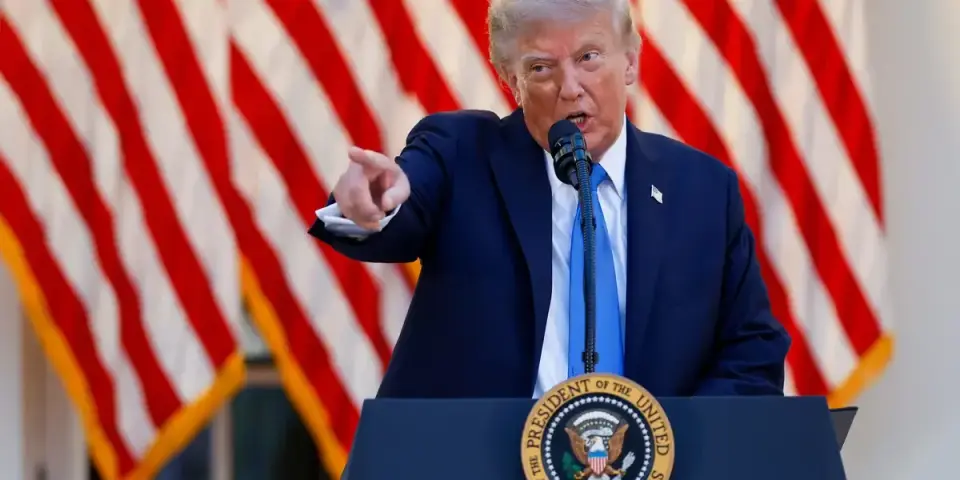
President Donald Trump demanded the Federal Reserve cut interest rates or face a halt in trade with deficit countries, following a stronger-than-expected August jobs report. The 162,000 new jobs, nearly triple the forecast, increased market expectations for a rate hike rather than a cut, creating tension between the White House and the Fed ahead of its September meeting.
Key points
- US economy added 162,000 jobs in August, far exceeding the 53,000-56,000 expected by analysts.
- Trump posted on Truth Social demanding rate cuts, threatening to stop trading with countries where the US has a deficit.
- Market odds for a 25 basis point rate hike at the upcoming FOMC meeting rose to approximately 60%.
- Fed Chair Kevin Warsh has maintained a hawkish stance, prioritizing inflation control over immediate rate cuts.
- Annual inflation remains at 3.4%, above the Fed's 2% target, complicating the decision to lower rates.
Background
This pressure follows a period of mixed signals from the Fed, which held rates steady at 3.5%-3.75% in July for the fifth consecutive time. Earlier forecasts for August predicted a modest 53,000 job gain, but the actual figure was significantly higher. Trump has previously clashed with former Fed Chair Jerome Powell over rate policy, and his new threat to use trade leverage marks an escalation in his efforts to influence monetary policy ahead of the midterm elections.
How outlets are covering it
Business Insider and CNBC emphasize the direct confrontation between Trump and Fed Chair Kevin Warsh, noting that Warsh’s hawkish tone puts him at odds with the president’s demands. CNN highlights the specific threat to cease trade with deficit nations, citing the US’s $1.2 trillion overall trade deficit. BBC provides broader economic context, noting that while jobs are strong, inflation remains high and diesel prices hit record levels, making a rate cut difficult to justify. All outlets agree that the strong jobs report has shifted market expectations toward a potential rate hike, contradicting Trump’s narrative that strong growth should lead to lower rates.
Why it matters
The conflict between the executive branch and the Federal Reserve could undermine central bank independence and introduce significant volatility into financial markets. If the Fed prioritizes inflation control over political pressure, it may raise rates, potentially slowing economic growth. Conversely, if it yields to political pressure, it risks exacerbating inflation. This dynamic is critical for investors and consumers facing high borrowing costs and rising prices.
What to watch
The Federal Reserve will announce its interest rate decision on September 16. New Consumer Price Index data for August is due next week, which will be a key factor in the Fed's decision. Trump may follow through on his threat to restrict trade with deficit countries if the Fed does not cut rates, potentially impacting global supply chains and trade relationships.
- Trump demands the Fed lower interest rates after a blowout August jobs report Business Insider
- Trump says he will cease trading with top partners unless Fed lowers rates CNN
- Trump doubles down on threat to halt trade with top partners unless Fed cuts rates CNBC
- Trump calls for interest rate cut after jobs figures raise hike bets BBC
- Trump Threatens to Halt Some Trade Unless the Fed Cuts Rates The New York Times
Want the full story? Read the original reporting
Read on Business Insider