
Trump’s Venezuela Oil Plan Faces Reality Check as Fed Hike Odds Double
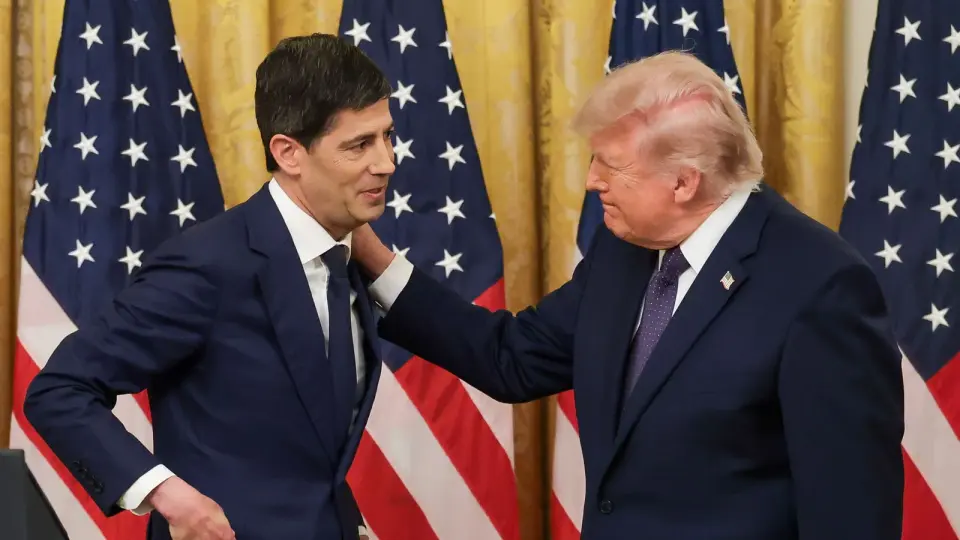
President Trump is pushing for lower interest rates and cheaper gas via Venezuelan oil, but faces resistance from Fed Chair Kevin Warsh and expert skepticism. U.S. gas prices hit $4.08 per gallon, up 30% year-over-year, while Q2 GDP growth slowed to 1.5%. Markets now expect a rate hike in September, contradicting Trump’s claim that high growth does not cause inflation. Separately, the FTC sued Amazon for allegedly overcharging advertisers by $20 billion.
Key points
- U.S. gasoline prices averaged $4.08 per gallon on Monday, nearly 30% higher than the same period last year, according to AAA data.
- Trump claims control over 65 billion barrels of Venezuelan oil to lower prices, but experts note Venezuela’s infrastructure requires $180 billion in investment by 2040 to reach peak production.
- Venezuela currently produces 1.2 million barrels per day, down from a peak of 3.5 million in the late 1990s, limiting near-term supply impact.
- Real GDP growth slowed to 1.5% annualized in Q2 2026, down from 2.1% in Q1, contradicting Trump’s assertion that the U.S. could grow at 20% without inflation.
- Markets now assign a 66.1% probability to a Federal Reserve rate hike at the September 15-16 meeting, up from roughly half that level before Chair Kevin Warsh’s Jackson Hole speech.
- The FTC sued Amazon, joined by 22 state attorneys general, alleging the company secretly overcharged advertisers by $20 billion through manipulated auction systems since 2019.
Background
Recent economic data shows a mixed picture. While tariff refunds boosted Q2 corporate earnings and helped push growth toward 4.3% in some estimates, Goldman Sachs warned that consumer spending momentum may fade in the second half of 2026 as real cash flow stagnates. The current slowdown in Q2 GDP to 1.5% contrasts with earlier optimistic projections, highlighting the tension between policy-driven stimulus and underlying economic fundamentals. This backdrop makes the current debate over interest rates and energy policy particularly critical for market stability.
Why it matters
The clash between the White House’s growth narrative and the Federal Reserve’s likely tightening policy creates significant uncertainty for investors and consumers. Rising gas prices and potential interest rate hikes could exacerbate inflationary pressures, undermining the administration’s economic agenda. Meanwhile, the FTC’s lawsuit against Amazon signals a broader regulatory crackdown on big tech practices, potentially affecting advertising costs and platform economics across the industry.
What to watch
Watch for the Federal Reserve’s September 15-16 meeting, where a rate hike is now more likely than not. Monitor developments in Venezuela’s oil infrastructure investment and any announcements from Trump’s meetings with U.S. refiners. Additionally, follow the legal proceedings in the FTC vs. Amazon case, which could set precedents for digital advertising practices. Consumer spending trends in the second half of 2026 will also be key indicators of whether the current economic slowdown persists or reverses.
- CNBC Daily Open: Trump wants to floor it on economic growth as Warsh eyes the brakes CNBC
- Trump Wants Big Oil to Build More Refineries. That’s a Tough Sell. WSJ
- Trump to meet with oil refiners amid stubborn gas prices The Hill
- Trump to host oil executives after accusing refiners of gouging consumers Reuters
- Trump Ramps Up Pressure on Squeezed Refiners to Ease Pump Prices Bloomberg.com
Want the full story? Read the original reporting
Read on CNBC