
Trump’s $150B Manufacturing Push Faces Implementation Hurdles Amid Tariff Deadlines
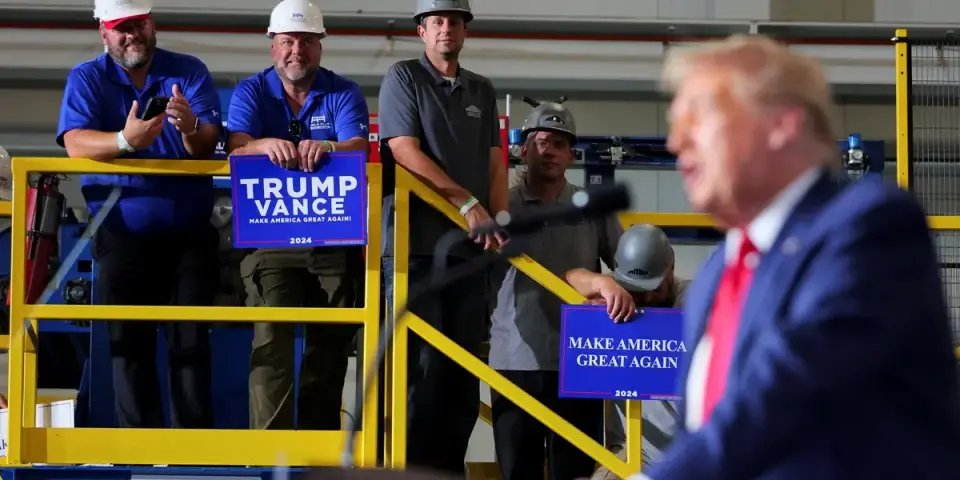
The Trump administration's $150 billion manufacturing initiative is encountering significant obstacles, according to the Wall Street Journal, as foreign firms grapple with 150-300% tariff threats and unresolved trade disputes. While the policy aims to boost domestic production, skepticism from allies like South Korea and Canada, along with implementation challenges, is slowing progress. Critics compare the current push to the 2018 midterms, raising concerns about long-term sustainability.
Key points
- The $150 billion manufacturing initiative faces major implementation snags, per the Wall Street Journal.
- Foreign firms face 150-300% tariffs if they do not invest in U.S. manufacturing within 18 months.
- South Korea and Canada remain skeptical due to unresolved revenue distribution and retaliatory trade measures.
- The initiative mirrors the run-up to the 2018 midterms, raising concerns about long-term sustainability.
- Officials in Seoul and Ottawa cite billions in disrupted bilateral trade as a barrier to cooperation.
Background
In August 2026, Trump issued a new ultimatum to foreign nations, warning of 150-300% tariffs for companies from China, Japan, South Korea, and Canada if they do not invest in U.S. manufacturing within 18 months. This followed earlier claims that his strategy had attracted trillions in investment, though skepticism persisted among allies. The current snag in the $150 billion initiative builds on these tensions, with unresolved trade disputes and revenue distribution issues complicating progress.
How outlets are covering it
The Wall Street Journal emphasizes the implementation challenges and skepticism from foreign allies, while Yahoo Finance draws parallels to the 2018 midterms, suggesting the current push may lack long-term sustainability. Both outlets highlight the tension between Trump's aggressive tariff threats and the reluctance of foreign firms to commit to U.S. manufacturing investments.
Why it matters
The success of the $150 billion manufacturing initiative hinges on resolving trade disputes and convincing foreign firms to invest despite tariff threats. If unresolved, the policy could disrupt billions in bilateral trade and undermine the administration's claims of attracting trillions in investment, with potential implications for the 2026 midterms.
What to watch
Watch for updates on whether South Korea and Canada resolve their trade disputes with the U.S. within the 18-month deadline. Monitor whether foreign firms commit to U.S. manufacturing investments or face the threatened 150-300% tariffs. Track the administration's response to implementation snags and any shifts in trade policy that could affect the $150 billion initiative.
- Trump’s massive $150 billion manufacturing boom just hit a major snag: WSJ AlterNet
- Trump's spree of new project announcements mirrors the run-up to the 2018 midterms Yahoo Finance
- Trump Hypes Megaprojects to Voters Who Lament Gas, Food Costs Bloomberg.com
- Projects Highlight Promise, Hurdles in U.S. Manufacturing Revival WSJ
- Choppy seas ahead for MASGA as Hanwha's Philly Shipyard struggles: WSJ Korea JoongAng Daily
Want the full story? Read the original reporting
Read on AlterNet