
Trump's Inflation Rate Is Half of Biden's, Yet Voters Are Just as Angry
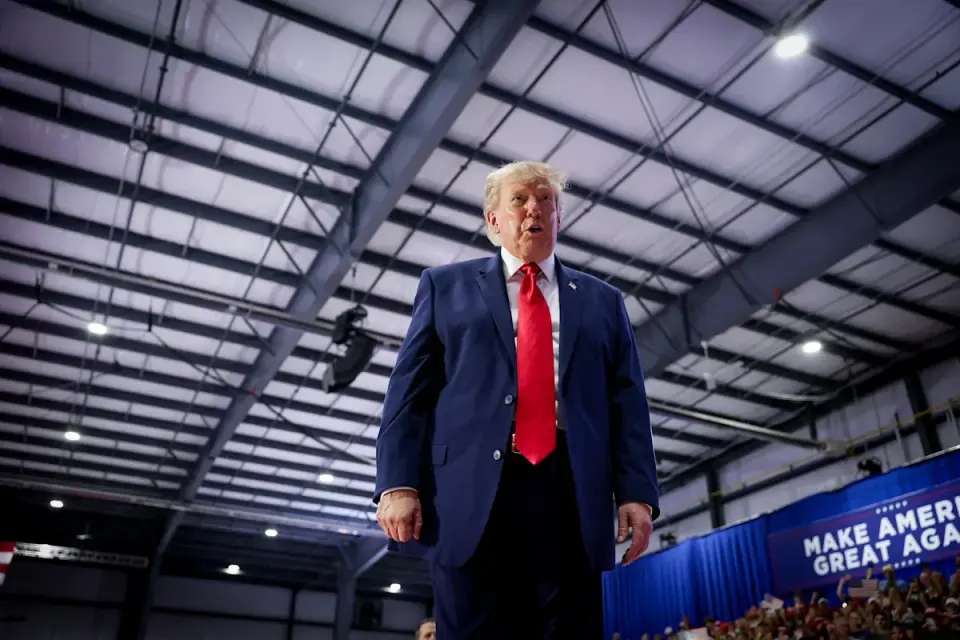
Despite overall price growth being half as fast as under Biden, President Trump faces a 72% disapproval rating on inflation. Voters are reacting sharply to specific spikes in gas and consumer goods driven by the Iran war and tariffs, with polls showing widespread dissatisfaction ahead of the November midterms.
Key points
- Overall US price growth has risen 5.4% in Trump's second term, compared to over 20% during Biden's four years.
- Gasoline and fuel oil prices spiked over 30% starting in March due to the Iran war and the closure of the Strait of Hormuz.
- Coffee prices rose nearly 23% under Trump, more than double the rate seen under Biden, largely due to tariffs.
- A New York Times/Siena poll found 73% of likely voters disapprove of the president's handling of gas prices.
- Trump invoked the Defense Production Act and pledged $8 billion in support for farmers to try to lower energy costs.
Background
Recent archive coverage indicates that voters have already rejected the administration's narrative blaming Biden for current economic woes, with a September poll showing a majority holding Trump responsible. Additionally, Federal Reserve officials have warned that AI-driven spending is contributing to inflation, while bond yields have risen due to strong economic growth rather than just inflation fears. Trump has also proposed a $5,000 voter dividend, which critics have labeled a bribe, as he attempts to manage economic discontent.
How outlets are covering it
Yahoo Finance emphasizes that while aggregate inflation is lower, specific outliers like gas and coffee are driving voter anger, noting that Trump's average gas price record is nearly identical to Biden's. NBC News highlights the gap between Trump's 2024 pledges of $2 gas and cheaper groceries versus the current reality of high costs. Grist frames the situation as an 'energy emergency' created by the administration, contrasting it with Trump's earlier vows to stop such crises. All sources agree that the Iran war and tariffs are the primary drivers of the most painful price spikes, but they differ in how they frame the political consequences, with Yahoo Finance focusing on the midterm risk and Grist focusing on the contradiction of Trump's promises.
Why it matters
The disconnect between lower overall inflation and high voter disapproval highlights how specific, visible price spikes can dominate political sentiment. As early voting begins for the November 3 midterms, the cost of gas and consumer goods is likely to be a decisive factor in voter behavior, potentially undermining the administration's economic narrative despite better aggregate metrics.
What to watch
Trump is expected to continue using executive actions, such as the Defense Production Act, to try to lower energy prices. The outcome of the November 3 midterms will likely hinge on whether voters prioritize the lower overall inflation rate or the sharp increases in gas and consumer goods. The administration may face continued pressure to address tariff-related price hikes, especially if the Iran conflict persists.
- Inflation under Trump is only about half the rate under Biden. Voters are still just as mad. Yahoo Finance
- Trump promised $2 gas and cheaper groceries. Here’s what voters got instead. NBC News
- Opinion | The Biggest Inflation Contributor: Tariffs WSJ
- Trump vowed to stop an ‘energy emergency.’ Then he created a real one. Grist
- No wars and no inflation: Has Trump delivered on his big promises? Financial Times
Want the full story? Read the original reporting
Read on Yahoo Finance