
US Gas Prices Plunge 50.5 Cents in Three Weeks, Hitting Eight-Month Low
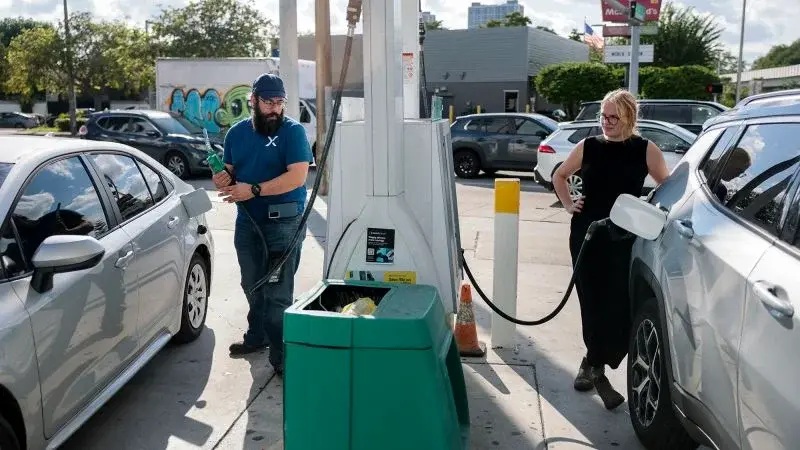
The national average for regular gasoline dropped by 50.5 cents between October 29 and November 19, 2026, reaching $3.72 per gallon. This represents the largest three-week decline since the 2008 financial crisis and the biggest percentage drop since early 2020. Analysts attribute the rapid fall to seasonal shifts toward cheaper winter-blend fuel, reduced driving demand, and increased oil flows through the Strait of Hormuz. Despite the sharp decline, prices remain significantly higher than a year ago, and November 2026 is currently the most expensive November on record for fuel costs.
Key points
- The national average gas price fell to $3.72 per gallon on November 19, down from $4.29 a month earlier.
- The 50.5-cent drop over three weeks is the largest on record since 2008, excluding the pandemic era.
- Prices have declined for 26 consecutive days, the longest streak since late June 2026.
- The national average remains $0.63 higher than the same date in 2025.
- Americans have spent an additional $162 billion on fuel since the Iran conflict began in February 2026.
Background
Gas prices had remained above $4 per gallon from July through early November 2026, largely due to the Iran war initiated in late February. Prior to this week's drop, prices had just fallen below $4 for the first time since July on November 12. Voter frustration with fuel costs was a central issue in the 2026 midterm elections, where Democrats gained control of the Senate and significant House seats, partly due to dissatisfaction with inflation and energy prices.
How outlets are covering it
CNN and Bloomberg emphasize the historic nature of the price drop, linking it to geopolitical calm and seasonal factors. USA Today highlights the political dimension, noting President Trump’s complaint that the price drop occurred after the elections, while experts dispute this timing as coincidental. WOODTV focuses on local impacts in Michigan, noting prices below $3.50 in some areas, and explains the shift to winter-blend gasoline. All sources agree that while prices are falling, they remain historically high for this time of year, and a resurgence of conflict in Iran could reverse the trend.
Why it matters
The sharp decline in gas prices may influence consumer spending and political sentiment in the new congressional session. However, the persistent gap between current prices and pre-conflict levels indicates that the economic impact of the Iran war remains significant. The drop also highlights the sensitivity of fuel markets to geopolitical stability and seasonal demand shifts, which could affect future energy policy and tax debates.
What to watch
Analysts expect prices to continue falling toward the mid-$3 range in the coming weeks, barring a reescalation of the Iran conflict. New Democratic lawmakers in Congress are expected to push for suspending the federal gas tax to provide further relief to consumers. The market will closely monitor oil flows through the Strait of Hormuz and refinery output as key indicators of future price stability.
Want the full story? Read the original reporting
Read on CNN