
US Holiday Spending Forecast to Rise 4-6% Despite Inflation Stress
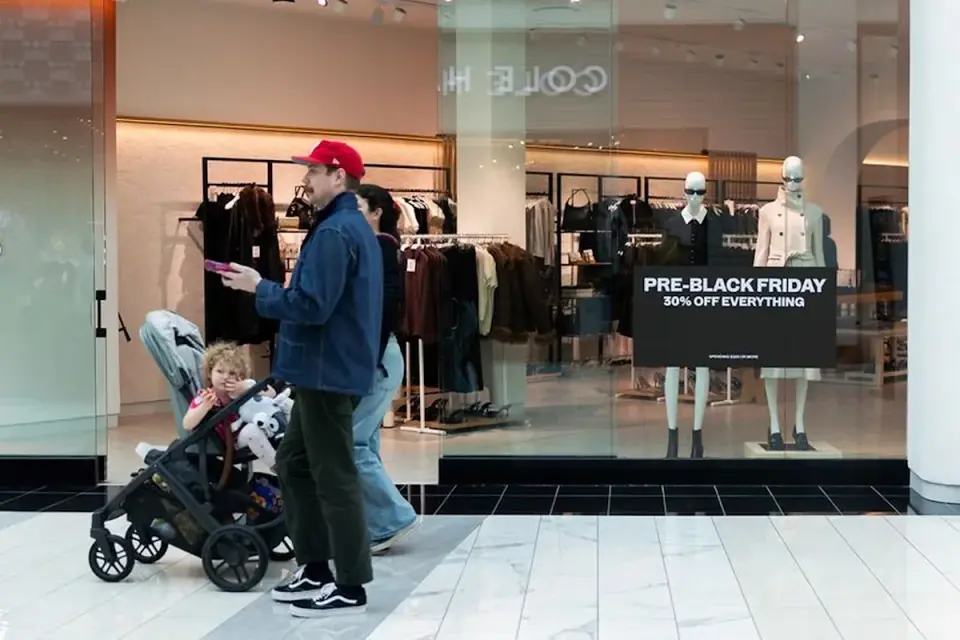
US holiday retail sales are expected to rise 4-6% year-over-year, topping last year's figures, but this growth is largely driven by inflation rather than increased purchasing power. While 87% of consumers plan to participate in the five-day shopping period, sentiment remains shaky due to high fuel prices and a 3.8% inflation rate. Middle- and lower-income shoppers are trading down, while affluent consumers may be dampened by recent stock market corrections. Toy prices have risen 13.2% due to input costs, prompting Mattel to cut its annual forecast, though trading cards and other niche items are seeing strong demand.
Key points
- National Retail Federation forecasts November-December retail sales rising 4.2% to just above $1 trillion, with Mastercard and EY Parthenon predicting over 5% growth.
- 82% of consumers are taking steps to manage holiday costs, such as buying less expensive gifts, according to a National Retail Federation survey.
- 87% of 1,200 consumers surveyed by Deloitte plan to participate in the five-day shopping period from Thanksgiving through Cyber Monday, the highest participation rate in a decade.
- Toy prices have risen 13.2% since the start of the year due to higher input costs, leading Mattel to cut its annual forecast.
- Recent stock market corrections and concerns about an AI bubble may dampen the wealth effect for affluent shoppers, according to UBS analysts.
Background
Black Friday 2026 sales have been underway since early November, with major retailers like Amazon launching early deals. Previous coverage noted significant discounts on apparel, tech, and kitchen gear, with prices starting as low as $2. The current economic climate is marked by a 3.8% inflation rate, which is about a percentage point higher than in the previous two years. Consumers are navigating high fuel prices and a recent stock market correction following mid-term elections, where voters punished President Donald Trump for an Iran War that pushed the cost of living higher.
Why it matters
The divergence between rising nominal sales and consumer stress highlights the impact of inflation on purchasing power. While top-line figures look strong, the underlying trend shows consumers trading down and being more selective with their spending. This could signal a shift in consumer behavior that may persist beyond the holiday season, affecting retail strategies and economic forecasts for 2027.
What to watch
The five-day shopping period will conclude on Cyber Monday, November 30, 2026. Final holiday sales results are expected to beat pre-holiday estimates, but the extent of consumer spending will depend on how shoppers navigate inflation and market volatility. Analysts suggest that the deepest discounts may come closer to Christmas as consumers and retailers wait out the market, with AI potentially playing a larger role in price adjustments and bargain hunting.
Want the full story? Read the original reporting
Read on Yahoo Finance