
Waller urges 50-basis-point hike to shock markets as inflation spreads
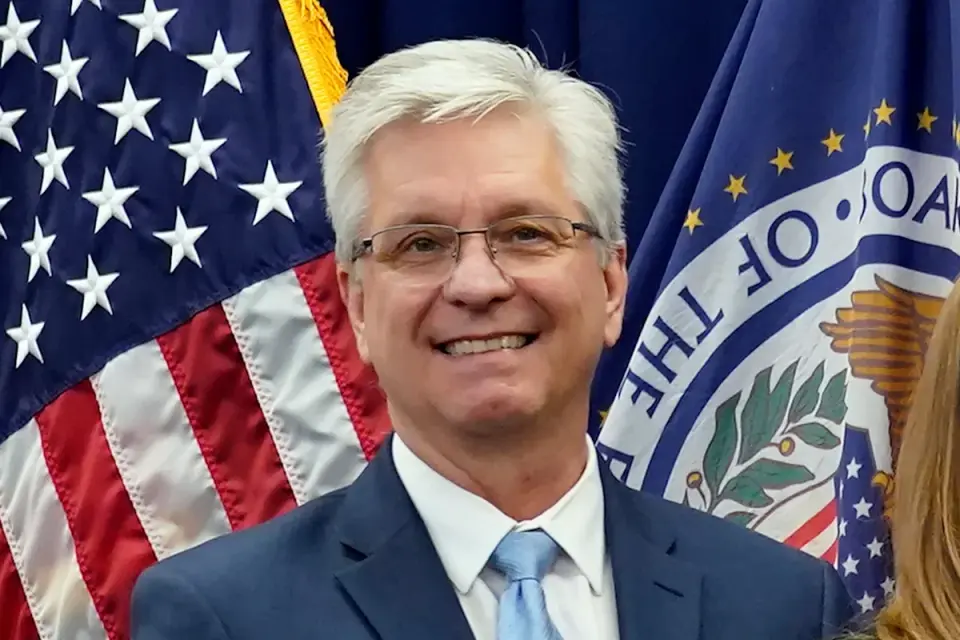
Federal Reserve Governor Chris Waller argued on Wednesday that the central bank must raise interest rates by 50 basis points in December to effectively combat rising prices. He stated that a smaller 25-basis-point increase would only work if the Fed clearly signals another hike in January, a practice known as forward guidance. However, Fed Chairman Kevin Warsh has opposed such signaling, arguing it distorts market signals. Waller noted that inflation has remained above the 2% target for nearly six years and is now spreading beyond energy and tariffs. He suggested the Fed must reverse the three rate cuts implemented in 2025 and potentially hike further to bring prices down. While Waller advocates for aggressive action, New York Fed President John Williams disagreed, stating that the current situation does not call for dramatic moves. The Federal Open Market Committee is scheduled to meet on December 8-9, with markets currently pricing in a standard 25-basis-point increase.
Key points
- Waller stated a 50-basis-point hike is necessary in December if the Fed does not signal a January increase.
- Waller argued that a 25-basis-point hike requires clear forward guidance to affect market pricing and the economy.
- Chairman Warsh has opposed forward guidance, believing it boxes in policymakers and distorts market signals.
- Waller noted inflation is spreading and has remained above the 2% target for nearly six years.
- Waller said the Fed must reverse the three rate cuts from 2025 and may need to hike further to control prices.
- New York Fed President John Williams disagreed, stating the situation does not call for dramatic action.
Background
The Federal Reserve held interest rates steady at 3.9% in October after approving three rate cuts in 2025. Inflation has remained above the central bank’s 2% target for nearly six years, reigniting earlier this year after the U.S. and Israel launched strikes against Iran in late February, which spiked energy prices. Waller first hinted at a jumbo hike last week after October’s Consumer Price Index rose 0.4%, exceeding expectations, and core inflation rose 0.3%. Minutes from the October meeting, released Wednesday, showed broad support for a December rate hike, with nearly all officials expecting a 25-basis-point increase. However, Waller has consistently argued that a larger move is needed to maintain credibility, a stance that contrasts with more gradual approaches favored by some regional Fed presidents.
How outlets are covering it
CNBC and Yahoo Finance reported that Waller emphasized the need to 'shock people' with a 50-basis-point hike to combat inflation that is 'spreading out.' He argued that without clear forward guidance, a smaller hike would fail to influence market expectations. CNBC noted that Waller’s view contrasts with Chairman Warsh’s opposition to forward guidance, which Warsh believes distorts market signals. Yahoo Finance highlighted that Waller’s stance aligns with other officials like St. Louis Fed President Alberto Musalem, who suggested as many as four hikes by spring 2027, but contrasts with New York Fed President John Williams, who stated that the current situation does not call for dramatic action. Axios reported that Williams believes the Fed’s recent data collection and analysis are working well, and that a supersize hike is not necessary. The sources agree that inflation remains a significant concern, but they differ on the appropriate level of aggressiveness in the Fed’s response.
Why it matters
The Federal Reserve’s decision on interest rates directly affects borrowing costs for mortgages, credit cards, and business loans. A 50-basis-point hike would significantly increase the cost of borrowing, potentially slowing economic activity and reducing inflation. However, it could also risk pushing the economy into a recession. Waller’s argument for a larger hike reflects concerns that inflation is becoming entrenched and spreading beyond energy and tariffs, which could lead to higher prices across the economy. The debate over forward guidance also highlights the Fed’s challenge in communicating its policy path to markets, as unclear signaling can lead to volatility and uncertainty. The outcome of the December meeting will be crucial for determining the direction of the economy in 2027, as markets are currently pricing in further hikes beyond December.
What to watch
The Federal Open Market Committee will meet on December 8-9 to decide on interest rate policy. The minutes from the October meeting, released Wednesday, will provide further insight into the Fed’s internal debates. Waller’s argument for a 50-basis-point hike or clear forward guidance will likely be a key factor in the decision. Markets are currently pricing in a 25-basis-point increase, but Waller’s stance could shift expectations if inflation data continues to rise. The Fed will also release quarterly interest rate projections in December, which will provide a forecast for the entire year. The outcome of the meeting will have significant implications for borrowing costs, economic growth, and inflation in 2027.
- Fed's Waller doubles down on a jumbo rate hike in December, sees more hikes to come Yahoo Finance
- Policymakers want rate hike but disagree on pace Axios
- Fed’s Waller says central bank may need to ‘shock people’ with half-point rate hike CNBC
- Fed Officials Saw Higher Rates Ahead When They Held Steady Last Month WSJ
- Levy Sees Still Strong Demand Justifying Two More Fed Rate Hikes Kathleen Hays Presents: Central Bank Central
Want the full story? Read the original reporting
Read on Yahoo Finance