
US Gas Power Pipeline for AI Data Centers Surges to 189 GW
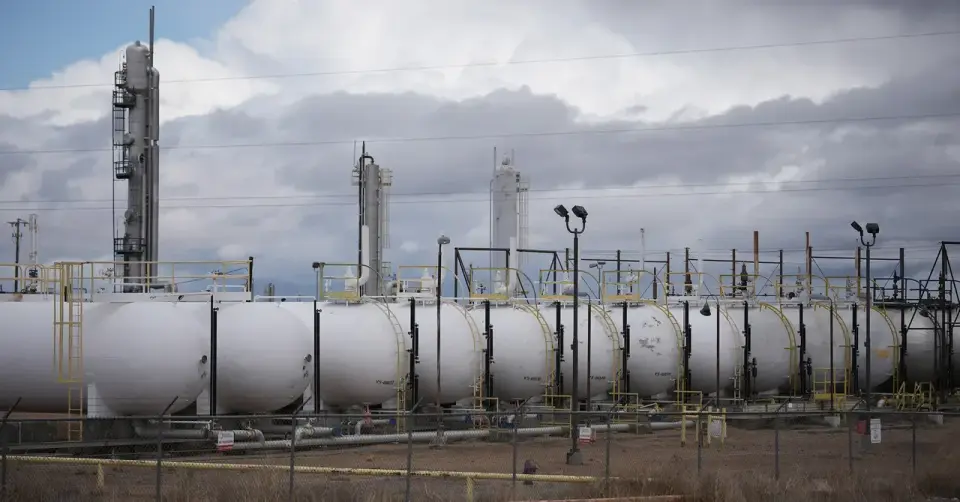
Global Energy Monitor reports that US gas-fired power capacity in development for data centers has nearly doubled in six months, reaching 189 gigawatts. This surge, driven by AI demand, has overtaken China in gas construction, with Texas leading the expansion. While many projects face uncertainty, the shift toward inefficient turbines and engines raises significant climate and cost concerns.
Key points
- Global Energy Monitor found 189 GW of gas capacity in development for US data centers as of mid-2026, up from 97 GW in late 2025.
- Total US gas capacity in development reached 378 GW, accounting for one-third of the global total, with a potential capital cost exceeding $647 billion.
- Texas accounts for nearly one-third of the US pipeline, with 122 GW in development, 77 GW of which are directly tied to data centers.
- The US is now building twice as much gas-fired capacity as China, reversing a trend where China previously led in gas construction.
- Turbine supply constraints are forcing developers to use less efficient reciprocating engines and smaller aeroderivative units to bypass backlogs.
Background
This development follows earlier reports of a global gas-turbine bottleneck, where major manufacturers faced multi-year lead times, forcing AI infrastructure companies to seek alternative power solutions. Recent months have also seen specific controversies, such as Amazon’s backing of a massive Texas gas plant and local opposition to data center expansions due to noise and resource concerns. The current surge represents a broader acceleration of these behind-the-meter power strategies.
How outlets are covering it
WIRED and Heatmap emphasize the climate implications, noting that the shift to inefficient engines could increase US power emissions by up to 20% and lock in decades of pollution. The Guardian highlights the geopolitical shift, noting that the US is now outpacing China in gas construction, contradicting claims that China is the primary driver of fossil fuel expansion. Global Energy Monitor provides the raw data, stressing that while the pipeline is massive, over three-quarters of projects remain in early stages, with significant uncertainty regarding financing and permitting. All sources agree that the Trump administration’s encouragement of private power generation and the elimination of environmental reviews have accelerated this buildout.
Why it matters
The rapid expansion of gas-fired power for data centers threatens to reverse progress in decarbonizing the US power sector. If these projects proceed, they could lock in high emissions for decades and increase electricity costs for ratepayers. The reliance on less efficient technology due to supply chain issues exacerbates environmental concerns, while local opposition and regulatory hurdles may slow the pace of construction, creating a complex landscape for AI infrastructure development.
What to watch
Developers will likely continue to pivot toward engines and smaller turbines to bypass supply chain bottlenecks. Regulatory battles over permitting and local opposition may delay or alter many projects. The Trump administration’s policies on fast-tracking permits and tax incentives will play a crucial role in determining how many of these 189 GW of planned capacity actually come online. Monitoring the transition from announced to under-construction phases will be key to understanding the real impact on emissions and energy costs.
- Data Centers Are Driving an Alarming Gas Power Expansion in the US WIRED
- US building twice as much gas-fired capacity as China in AI boom, analysis finds The Guardian
- U.S. gas power proposals tied to data centers nearly double in six months Global Energy Monitor
- All AI Data Centers Under Construction Could Emit as Much CO₂ as 24 Million Cars Gadget Review
- The 10 Biggest Natural Gas Projects in America Heatmap News
Want the full story? Read the original reporting
Read on WIRED