
EPA grants early waiver to slash California gas prices
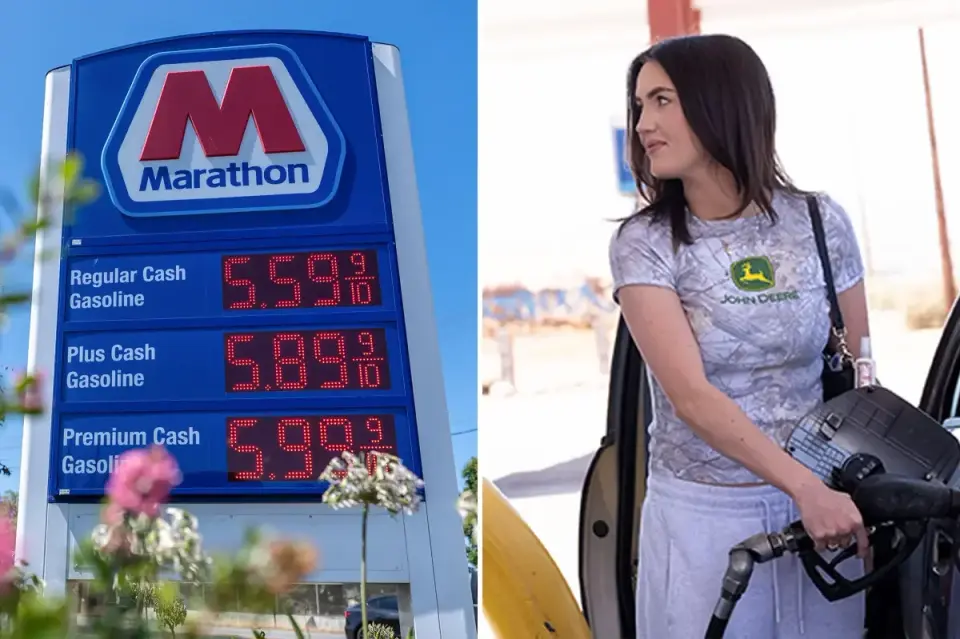
The US Environmental Protection Agency (EPA) has issued an emergency waiver allowing the sale of E10 gasoline in California starting September 1, two weeks ahead of the usual schedule. This move aims to increase domestic fuel supply by hundreds of thousands of barrels per day and lower prices for California drivers, who currently pay nearly $1.50 more per gallon than the national average. The waiver, effective through September 15, temporarily overrides state-level controls that extend the summer fuel blend until October 31. While the EPA claims this will provide relief, California Governor Gavin Newsom blamed the price spike on geopolitical tensions in the Middle East, specifically the conflict in Iran, rather than domestic regulations.
Key points
- EPA announced an emergency fuel waiver effective September 1, 2026, allowing E10 gasoline sales earlier than normal.
- The waiver is designed to increase supply by hundreds of thousands of barrels per day and lower prices for California residents.
- California gasoline averaged $5.59 per gallon as of August 19, 2026, significantly higher than the national average.
- The waiver temporarily suspends state-level controls that require the more expensive summer blend until October 31.
- EPA Administrator Lee Zeldin stated the move is part of a broader effort to fortify the gasoline supply chain and lower prices.
- California Governor Gavin Newsom attributed high gas prices to the war in Iran and tensions at the Strait of Hormuz.
Background
Gasoline prices have surged to mid-August highs, with the national regular-gas average reaching $4.03 per gallon, about 16 cents higher than a month ago. This is the 103rd day this year that prices have been at or above $4.00, the most since 2022. The price spike is driven by volatile crude oil markets, with WTI near $82 per barrel and Brent near $88, amid tensions over the Strait of Hormuz and attacks in the Red Sea. Analysts have warned that pump prices could remain elevated into the fall, potentially reaching $3.60–$3.90 per gallon if hurricanes do not disrupt supply.
Why it matters
The EPA's emergency waiver is a significant intervention in the US fuel market, aimed at alleviating the financial burden on California drivers who face some of the highest gas prices in the nation. By allowing the earlier sale of E10 gasoline, the EPA is seeking to increase supply and reduce prices, potentially easing the strain on households and businesses. However, the move has sparked a political debate, with the Trump administration blaming state-level regulations for high prices, while California's governor points to geopolitical factors. This dispute highlights the ongoing tension between federal and state authorities over energy policy and its impact on consumers.
What to watch
The EPA's waiver will take effect on September 1, 2026, and is expected to remain in place through September 15. The agency has indicated that it may extend the waiver if necessary to continue providing relief to California drivers. The impact on gas prices will be closely monitored, with analysts and consumers watching to see if the increased supply translates into lower prices at the pump. Additionally, the political debate between the federal government and California state officials is likely to continue, with both sides vying for control over energy policy and its effects on consumers.
- California gas prices see EPA intervention in emergency move targeting supply New York Post
- US to end summer blend gasoline requirement early in attempt to lower prices Reuters
- Trump lifts summer gasoline restrictions early as prices remain stubborn The Hill
- Trump to the rescue for California drivers — despite Gavin Newsom New York Post
- US Allows Early Sales of Winter Gasoline to Help Curb Prices Bloomberg.com
Want the full story? Read the original reporting
Read on New York Post