President Trump is reconsidering a ban on diesel exports to lower domestic prices, but faces warnings that it could raise gasoline costs. Industry groups urge against the ban, while analysts note geopolitical tensions and refinery constraints complicate the decision.
The Trump administration is preparing a potential 90-day ban on U.S. diesel exports to lower record-high fuel prices ahead of the November midterms. While President Trump has signaled support, Energy Secretary Chris Wright and industry leaders warn that such a move would backfire by forcing refiners to cut production, ultimately raising gasoline and jet fuel costs. The decision remains unresolved, with internal White House divisions and market volatility reflecting the tension between political pressure and economic reality.
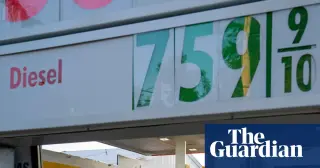
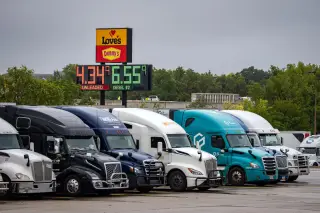
President Trump has publicly supported a ban on US diesel exports to lower record-high fuel costs, with Treasury Secretary Scott Bessent confirming the administration is evaluating the feasibility of a full or partial restriction. US diesel prices reached $6.53 per gallon on Tuesday, up 75% from a year ago, driven by conflicts in Ukraine and Iran that have reduced global supply. While some Republican lawmakers urge the ban to protect farmers and truckers ahead of midterms, industry groups and energy experts warn that restricting exports could backfire by reducing refining output and raising prices for other fuels.
The Trump administration is evaluating a potential ban on US diesel exports to address record-high domestic prices, which reached $6.53 per gallon on Tuesday. Treasury Secretary Scott Bessent confirmed the review, noting that the feasibility of a full or partial ban depends on refining capacity. While several Republican lawmakers and farmers support the move to lower costs, energy experts warn that such a ban could disrupt global supply chains, raise gasoline prices, and harm US refiners. The decision comes amid rising fuel costs driven by conflicts in Iran and Ukraine, with the administration promising a swift resolution.
Qatar has rejected proposals to bypass the Strait of Hormuz via pipelines, citing technical and economic inefficiencies, while launching a new platform to manage its domestic sovereign wealth portfolio. The country is simultaneously navigating a severe LNG supply crunch, with exports stalled for months and production facilities damaged by recent attacks.
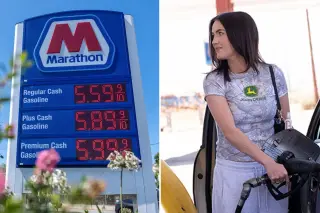
The US Environmental Protection Agency (EPA) has issued an emergency waiver allowing the sale of E10 gasoline in California starting September 1, two weeks ahead of the usual schedule. This move aims to increase domestic fuel supply by hundreds of thousands of barrels per day and lower prices for California drivers, who currently pay nearly $1.50 more per gallon than the national average. The waiver, effective through September 15, temporarily overrides state-level controls that extend the summer fuel blend until October 31. While the EPA claims this will provide relief, California Governor Gavin Newsom blamed the price spike on geopolitical tensions in the Middle East, specifically the conflict in Iran, rather than domestic regulations.