
US, China, Russia pledge oil supply boost at APEC, but experts doubt impact
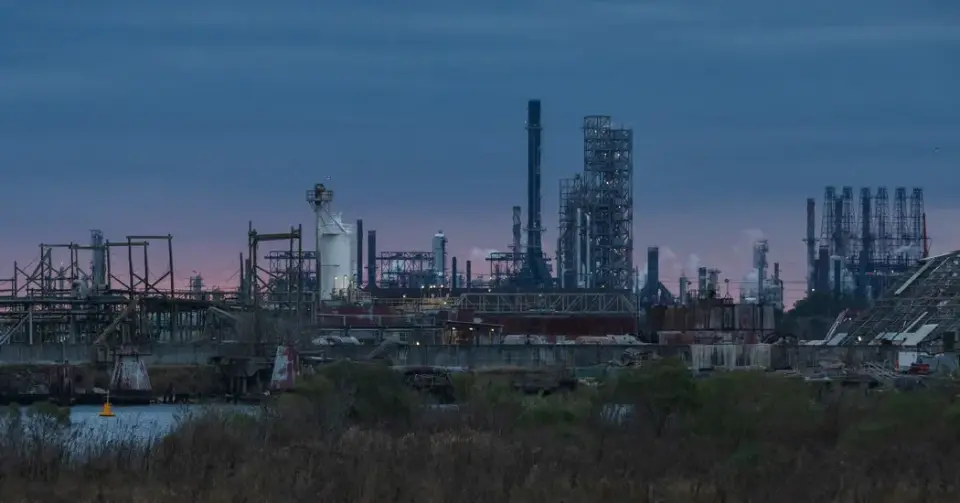
US, Chinese, and Russian leaders agreed at the APEC summit in Shenzhen to increase the production and supply of refined petroleum products. The deal lacks specific targets or timelines, and analysts question its feasibility due to sanctions, refinery damage, and limited US capacity. Gas prices have already fallen due to other factors, but the agreement does not address the underlying conflicts driving energy costs.
Key points
- Trump, Xi, and Putin issued a joint declaration pledging to boost refined fuel supply for global benefit.
- The agreement lacks concrete production targets, timelines, or implementation details.
- Analysts doubt the deal’s impact due to US capacity limits, Chinese import dependence, and Russian refinery damage from Ukrainian strikes.
- Gas prices have already fallen to below $3.70/gallon due to Hormuz flow and seasonal demand, independent of the deal.
- The declaration also calls for UN reforms and criticizes ICC jurisdiction, ignoring the Iran and Ukraine wars.
Background
This follows earlier APEC talks where Xi and Putin advocated a multipolar order, and prior Ukrainian strikes on Russian refineries that damaged half of Russia’s refining capacity. The trilateral meeting was the first of its kind, held in Shenzhen, and excluded European allies, who separately reaffirmed support for Ukraine in Berlin.
How outlets are covering it
The New York Times highlights the striking nature of the pledge given the wars led by the US and Russia that spiked oil prices. Bloomberg’s EU climate chief Wopke Hoekstra called the deal an 'unfortunate reality,' urging focus on cheap domestic clean energy instead. KCRA’s analysis, citing GasBuddy’s Patrick De Haan, argues the deal is unlikely to add significant supply due to structural constraints, while noting gas prices have already fallen due to other factors. Marketscreener provides market data but no direct commentary on the deal’s substance.
Why it matters
The pledge signals a shift in energy diplomacy but lacks enforceable mechanisms. Its failure to address the Iran and Ukraine wars, which drive energy costs, limits its practical impact. The agreement may deepen geopolitical tensions by challenging ICC jurisdiction and excluding European allies, potentially affecting global energy transition efforts.
What to watch
Watch for any concrete production targets or timelines from the three nations. Monitor gas price trends through Thanksgiving, with AAA projecting prices near $3.58/gallon. Observe whether the UN reform and ICC immunity clauses face international backlash or legal challenges.
- At APEC Summit, U.S., China and Russia Vow to Increase Oil Supply Amid Global Energy Transition The New York Times
- EU Climate Chief Says US-China-Russia Energy Deal Is Unfortunate Bloomberg.com
- Will President Trump's agreement with Putin and Xi bring down gas prices? KCRA
- Trump, Xi and Putin's Pledge to Boost Refined Oil Product Supplies Faces Implementation Hurdles ASHARQ AL-AWSAT English
- China, US, Russia to maintain working level coordination, Beijing says marketscreener.com
Want the full story? Read the original reporting
Read on The New York Times