
Qatar Energy Chief Rebuts Bessent’s Claim That Hormuz Strait Will Become Obsolete
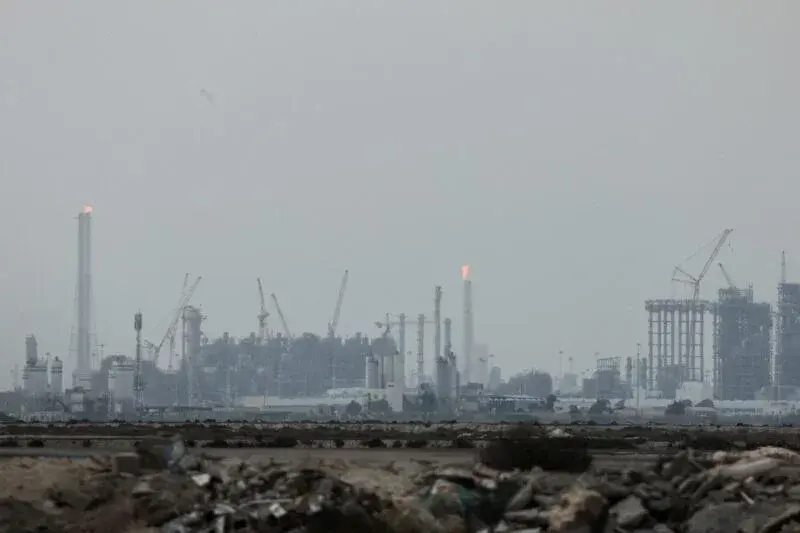
Qatar Energy Minister Saad Al-Kaabi rejected U.S. Treasury Secretary Scott Bessent’s assertion that the Strait of Hormuz will lose strategic value within two years. Speaking at the Qatar Economic Forum in New York on September 20, 2026, Al-Kaabi emphasized that the waterway remains vital for global trade beyond oil and gas. He confirmed that Qatar has decided against building bypass pipelines, relying instead on the strait for its liquefied natural gas exports. This stance contrasts with regional competitors like the UAE and Saudi Arabia, which are investing in alternative routes and Red Sea ports to mitigate risks from the ongoing U.S.-Iran conflict.
Key points
- Al-Kaabi called Bessent’s prediction that Hormuz would be 'worthless' in two years 'completely wrong,' arguing the strait handles diverse trade flows that cannot be easily replaced.
- Qatar has explicitly decided not to construct new pipelines to bypass the Strait of Hormuz, citing commercial and technical reasons, and will continue using the waterway for its LNG exports.
- Qatar’s commerce minister, Sheikh Faisal Al-Thani, supported this view, noting that 90% of global shipping occurs via sea routes, making diversification a matter of strategy rather than obsolescence.
- The dispute highlights a divergence in regional energy strategy: while Qatar relies on the strait, Saudi Arabia is accelerating Red Sea port investments and the UAE is pursuing a 'Zero Hormuz' strategy with multibillion-dollar bypass routes.
- The comments come amid a tense geopolitical backdrop, including recent tanker attacks in the strait and ongoing U.S.-Iran conflicts that have disrupted global oil trade and shipping costs.
Background
This debate occurs against a backdrop of sustained instability in the Persian Gulf. Since the U.S.-Israeli conflict with Iran escalated in early 2026, the Strait of Hormuz has faced partial blockades and security threats, prompting the U.S. Navy to provide escorts for crude shipments. Previous diplomatic efforts, including Qatari mediation in August and September 2026, have focused on reopening the strait and negotiating terms to end the war, though these talks have stalled. The current disagreement between Doha and Washington reflects broader tensions over how to manage energy security in a post-conflict environment, with some nations seeking to reduce dependence on the strait while others maintain their traditional reliance on it.
Why it matters
The disagreement between Qatar and the U.S. Treasury signals a potential shift in global energy infrastructure planning. If major producers like Qatar continue to rely on the Strait of Hormuz while competitors like the UAE and Saudi Arabia build bypass routes, it could fragment global energy supply chains. This divergence may affect long-term investment decisions in pipeline infrastructure and port development, influencing how the world adapts to geopolitical risks in the Gulf region.
What to watch
Watch for further developments in the U.S.-Iran conflict, which directly impacts the security and usability of the Strait of Hormuz. Additionally, monitor the progress of the UAE’s 'Zero Hormuz' pipeline project and Saudi Arabia’s Red Sea port expansions, as these alternative routes could gradually reduce the strategic dominance of the strait. Diplomatic efforts to end the war, potentially mediated by Qatar, will also determine whether the strait’s status quo changes in the near term.
Want the full story? Read the original reporting
Read on gCaptain