
Hormuz oil flows hold steady despite record October tanker attacks
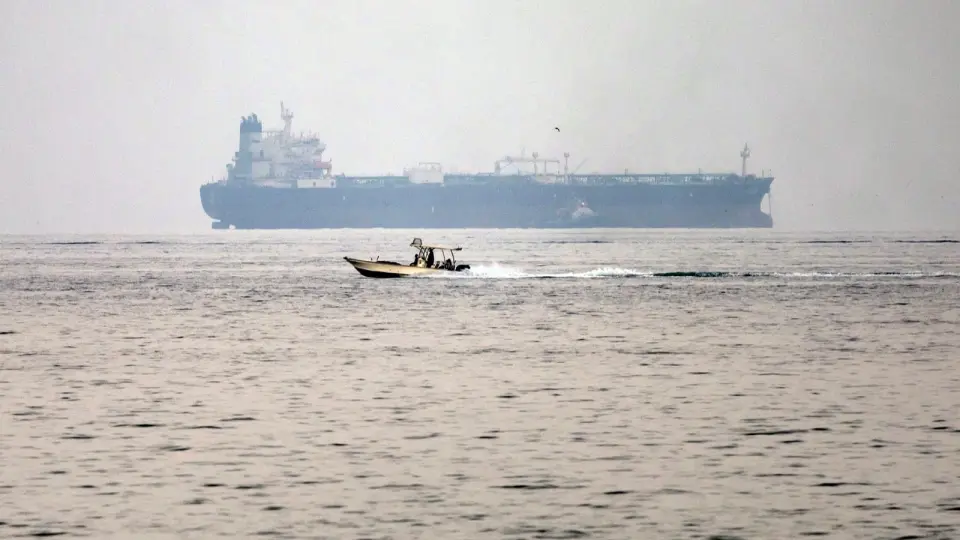
Crude exports through the Strait of Hormuz remained resilient in October, averaging 11.1 million barrels per day, despite a sharp spike in attacks on commercial vessels. While Brent crude prices surged above $117 a barrel, the shipping industry adapted using costly shuttle systems and U.S. military protection to maintain supply flows.
Key points
- October saw at least 30 vessels attacked, double the number from September, resulting in 16 injured seafarers.
- Crude exports through Hormuz averaged 11.1 million barrels per day in October, only 2% lower than September.
- Brent crude traded above $117 a barrel, nearing its March wartime high of $118.35.
- Shipping costs for supertankers surged from $249,000 to over $900,000 per day between September and October.
- The U.S. military provides essential air cover for tankers transiting the strait, a dependency that may shift after the November 3 midterms.
Background
Since the conflict began, crude exports through Hormuz have fluctuated significantly. In March, exports dropped nearly 90% to 1.8 million barrels per day due to Iranian attacks. By early October, flows had recovered to 16.5 million barrels per day, though shipping costs added 27% to the final price of oil. Recent weeks have seen renewed volatility, with flows dropping to 7.3 million barrels per day in late October, more than 40% below prewar levels, as security conditions deteriorated.
Why it matters
The resilience of oil flows through Hormuz, despite record attacks, highlights the adaptability of the global shipping industry under wartime conditions. However, the soaring costs and logistical complexities of the shuttle system threaten to erode refiner margins in Asia. The sustainability of these flows depends heavily on continued U.S. military support, which faces political uncertainty following the upcoming midterm elections.
What to watch
The U.S. has warned Gulf Arab nations to prepare for a short but intense military campaign after the November 3 midterms. The U.S. Navy has advised vessels not needing to transit the Persian Gulf to steer clear of the region. The long-term viability of the shuttle system and the stability of oil flows remain uncertain as political dynamics in Washington evolve.
- Tankers defy sharp escalation of Iranian attacks to keep crude oil flowing through Strait of Hormuz CNBC
- Oil jumps 2%, settles at 6-month highs on fears of escalation in Iran Reuters
- Oil Climbs on Signs US May Resume Military Strikes Against Iran Bloomberg
- Oil Prices Rise as Middle East, Ukraine-Russia Conflict Fuel Supply Worries WSJ
- The never-ending absurdity of global oil markets The Economist
Want the full story? Read the original reporting
Read on CNBC