
IEA slashes 2026 oil forecasts as prolonged Iran conflict strains global refining
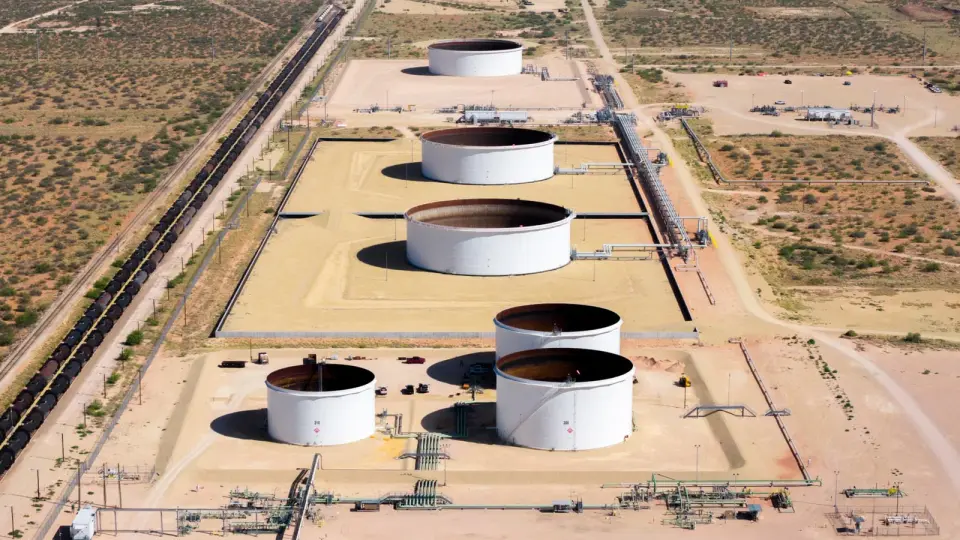
The International Energy Agency (IEA) has significantly lowered its 2026 global oil supply and demand projections due to the ongoing Iran war. Supply is expected to drop by 5.7 million barrels per day, while demand is forecast to fall by 2.5 million barrels per day. The agency warns that shrinking inventories and a strained refining system could tighten markets further if the conflict persists.
Key points
- The IEA cut its 2026 global oil supply forecast by 6%, projecting a decline of 5.7 million barrels per day compared to 2025.
- Global oil demand is expected to drop by 2.5 million barrels per day this year, a steeper decline than the 1.6 million barrels per day estimated in August.
- The IEA attributes the forecast revisions to the prolonged Iran war, which has delayed the recovery of oil flows from Middle East producers until 2027.
- Strained refining systems and shrinking inventories are cited as critical factors that could lead to further market tightening and demand destruction.
- Diplomatic impasses between the U.S. and Iran, along with renewed attacks in the Strait of Hormuz and Bab el-Mandeb, are delaying a potential truce.
Background
This development follows a series of warnings in August and September 2026 regarding depleting oil stockpiles and rising prices due to tensions in the Strait of Hormuz. In August, the IEA had already forecast a 4.3 million barrel-per-day drop in supply. By September, oil prices had surged to $105 per barrel amid fears of supply shocks, while the Houthis escalated attacks on Saudi oil facilities in Yemen. The current report reflects the continued failure of diplomatic efforts to resolve the conflict, with the Russia-Ukraine war now entering its fifth year, adding further pressure to the global energy system.
How outlets are covering it
The primary source, CNBC, highlights the IEA's specific numerical revisions to supply and demand forecasts, emphasizing the severity of the 6% supply cut and the 2.5 million barrel-per-day demand drop. It focuses on the mechanical constraints of the refining system and the role of inventories. The secondary source, Yahoo Finance, did not provide relevant news content, consisting instead of a technical error page and stock market data, so it offers no additional perspective on the IEA's report. The contrast lies in the availability of substantive analysis, with only the primary source providing detailed insights into the energy market's structural pressures.
Why it matters
The IEA's revised forecasts signal a deepening energy crisis driven by geopolitical instability. The significant drop in demand suggests that high oil prices are suppressing consumption, potentially leading to economic slowdowns. The warning about shrinking inventories and strained refineries indicates that the market has little buffer to absorb further supply shocks, increasing the risk of volatile price spikes and inflationary pressures globally.
What to watch
Market participants will closely monitor diplomatic talks between the U.S. and Iran for any signs of a truce, which could stabilize oil flows. The IEA's next monthly report will be crucial for assessing whether the current downward trend in supply and demand continues. Additionally, the impact of the Russia-Ukraine war on refining capacity will be a key factor in determining whether global oil markets tighten further or if alternative supply sources can mitigate the shortfall.
- IEA warns global oil refining system ‘stretched to the limit’ as Iran, Ukraine wars tighten market cnbc.com
- IEA Warns Oil Demand May Have to Fall Further as Iran War Drags Yahoo Finance
- IEA cuts oil supply and demand forecasts amid Iran war qz.com
- U.S.-Iran Escalation to Delay Oil Flow Recovery Into Next Year, IEA Says WSJ
- IEA warns 2026 oil supply gap will widen on delayed return of normal Gulf flows Reuters
Want the full story? Read the original reporting
Read on cnbc.com