
30-Year Treasury Yields Hit 24-Year High as Inflation and Deficit Fears Intensify
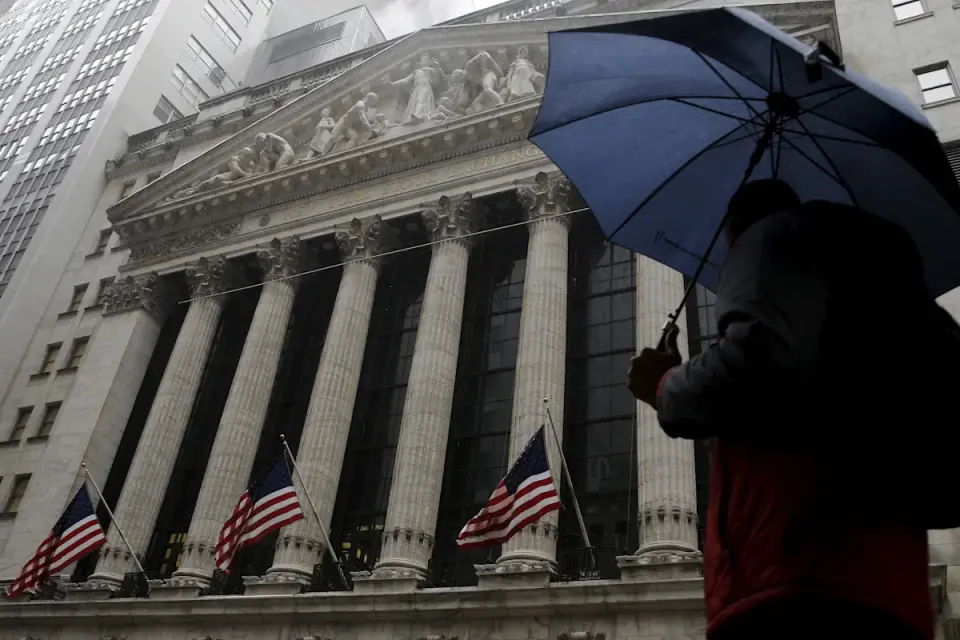
The yield on the 30-year U.S. Treasury bond reached 5.585% on September 29, 2026, marking its highest level since June 2002. This surge is driven by persistent inflation concerns, fears over U.S. fiscal deficits, and elevated oil prices stemming from the U.S.-Iran conflict. The 10-year Treasury yield also climbed to 5.253%, while the 2-year note fell to 4.891%. Investors are pricing in a 72% chance of another Federal Reserve rate hike in October, following a unanimous 25 basis-point increase earlier this month. The average rate on a 30-year fixed mortgage rose to 4.5%, its highest level since April 2024. Bond volatility remains high, with the MOVE index jumping 30% in the prior week.
Key points
- The 30-year U.S. Treasury yield hit 5.585%, its highest since June 2002, driven by inflation and deficit fears.
- The 10-year Treasury yield climbed to 5.253%, while the 2-year note fell to 4.891%.
- Investors are pricing in a 72% chance of another Federal Reserve rate hike in October.
- The average rate on a 30-year fixed mortgage rose to 4.5%, its highest since April 2024.
- Bond volatility remains high, with the MOVE index jumping 30% in the prior week.
Background
In August 2026, the 30-year Treasury yield had already jumped to 5.29%, its highest since 2007, amid a broad bond selloff driven by mounting national debt and heavy long-dated supply. A 30-year TIPS reopened in August with a real yield of 2.973%, the highest since 2001. These earlier moves set the stage for the current surge, as inflation remained above the Fed's target and fiscal concerns persisted.
How outlets are covering it
CNBC emphasizes the broader market impact, noting that U.S. Treasury yields extended a sell-off as inflation concerns stoked rate hike expectations. The outlet highlights that bond investors are taking a more hawkish view of the rate outlook than Fed policymakers, with 12 of 18 Fed members opting for just one rate hike before Christmas, while the market expects multiple hikes. Yahoo Finance Canada focuses on the ripple effects, such as the rise in mortgage rates and the pressure on Wall Street. Both outlets agree that the U.S.-Iran conflict and elevated oil prices are key drivers of inflation fears, but CNBC places more emphasis on the divergence between market expectations and Fed policy, while Yahoo Finance Canada highlights the tangible impacts on consumers, such as mortgage rates.
Why it matters
The surge in long-term Treasury yields signals deepening concerns about inflation and fiscal sustainability, which could lead to higher borrowing costs across the economy. The rise in mortgage rates to 4.5% makes home loans more expensive for consumers, while the hawkish market expectations for Fed rate hikes could tighten financial conditions. This environment may pressure equity markets, as seen in the mixed performance of Asian and European stocks, and could force the Federal Reserve to reconsider its monetary policy stance. The high bond volatility, as indicated by the MOVE index, suggests increased risk in the fixed-income market, which could have broader implications for global financial stability.
What to watch
Investors will closely watch the Federal Reserve's next meeting in October for signals on rate hikes, as the market prices in a 72% chance of another increase. The outcome of U.S.-Iran diplomatic talks will also be critical, as any progress could ease oil prices and inflation pressures. Additionally, the U.S. Treasury's issuance of long-dated bonds and the pace of government borrowing will influence yield levels. The Federal Reserve may need to balance its hawkish stance with the risk of overheating the economy, while policymakers in other countries, such as Australia, may follow suit with rate hikes to contain inflation.
- 30-year Treasury climbs to highest level since 2002 Yahoo Finance
- Dow tumbles 300 points as bond yields continue rising: Live updates CNBC
- Stocks slip on Wall Street as rising Treasury yields pressure the market Yahoo! Finance Canada
- US 30-year Treasury yield hits highest since 2002 Financial Times
- Bond yields move relentlessly higher, as Wall Street wonders how much more tech stocks can take MarketWatch
Want the full story? Read the original reporting
Read on Yahoo Finance