
Treasury Sanctions BitBank for Routing Hormuz Bitcoin Tolls to Iran's IRGC
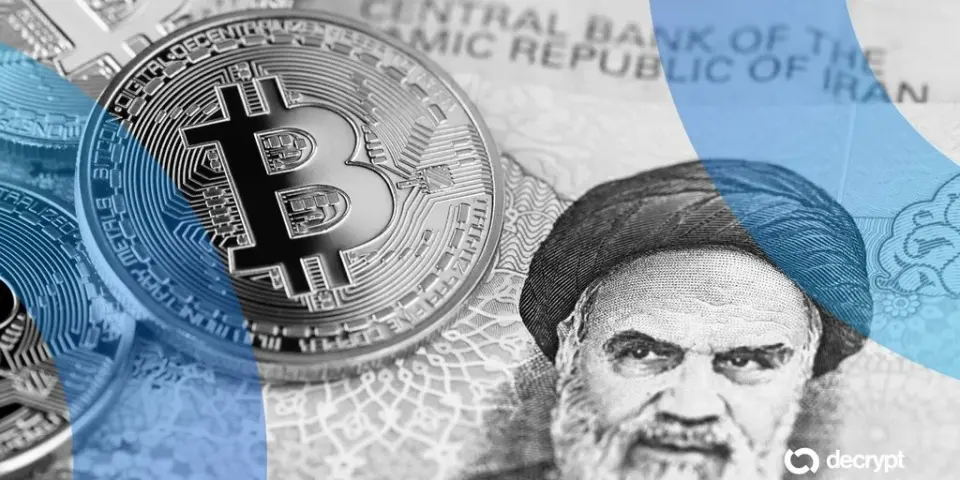
The U.S. Treasury has sanctioned BitBank, a Tehran-based crypto exchange, for facilitating the transfer of hundreds of millions of dollars in Bitcoin to Iran's Islamic Revolutionary Guard Corps (IRGC). The Office of Foreign Assets Control (OFAC) alleges that BitBank processed payments collected by the Hormuz Safe Marine Services Authority, which charges vessels $1 million to $2 million for safe passage through the Strait of Hormuz. This action is part of 'Operation Economic Outcast,' a broader campaign to disrupt Iran's digital asset infrastructure. While the sanctions freeze BitBank's assets and threaten secondary penalties for foreign firms dealing with it, OFAC notably did not publish specific wallet addresses, limiting immediate compliance screening capabilities.
Key points
- OFAC designated BitBank and its software developer, Pishtaz Simorgh, for moving Bitcoin to the IRGC between June and July 2026.
- The Hormuz Safe Marine Services Authority, sanctioned in July, used BitBank to route toll payments from ships to regime entities.
- The action includes four additional designations: Pishtaz Simorgh and three executives from Dot One Value Creation Group.
- Treasury Secretary Scott Bessent stated that efforts to finance the Iranian regime via cryptocurrency are now within OFAC's reach.
- The sanctions include secondary penalties, threatening foreign institutions that process BitBank transactions with exclusion from the U.S. financial system.
Background
This move follows a broader escalation in U.S. pressure on Iran's digital asset sector. In August 2026, the Treasury issued sectoral determinations under Executive Order 13902, granting OFAC the power to sanction anyone operating in Iran's crypto sector. This followed earlier tensions in the Strait of Hormuz, where Iran proposed tolls on shipping, leading to diplomatic friction with Oman and the U.S. naval blockade. The current sanctions target the specific infrastructure used to monetize these tolls, marking a shift from general sectoral threats to specific entity designations.
How outlets are covering it
Decrypt and CoinDesk both emphasize the strategic significance of targeting BitBank as a key node in Iran's sanctions evasion network, highlighting the 'hundreds of millions' in Bitcoin moved to the IRGC. CoinDesk notes the absence of published wallet addresses, a detail Decrypt omits, which may hinder immediate compliance enforcement. Iran International focuses on a related but distinct legal action: the U.S. seeking the forfeiture of $61 million in cryptocurrency tied to black-market oil sales, alleging a network involving Chinese firms Blessed Trust and Hexa Whale. While Decrypt and CoinDesk focus on the Hormuz tolls, Iran International highlights the broader laundering of oil proceeds, suggesting a multi-pronged U.S. approach to cutting off Iranian revenue streams.
Why it matters
This action signals a significant escalation in U.S. enforcement against Iran's use of cryptocurrency to bypass sanctions. By targeting the specific exchange handling Hormuz tolls, the U.S. aims to disrupt a critical revenue stream for the IRGC. The secondary sanctions threat extends the impact to global financial institutions, potentially chilling broader participation in Iran-linked crypto transactions. However, the lack of specific wallet addresses may limit the immediate practical impact on compliance teams, raising questions about the effectiveness of these designations in real-time market screening.
What to watch
Compliance firms will monitor for any subsequent updates from OFAC that include specific wallet addresses, which would enable more precise screening. The secondary sanctions threat may lead to increased scrutiny of exchanges in Dubai and other offshore venues that have processed BitBank transactions. Additionally, the U.S. may pursue further civil forfeiture actions related to the $61 million in cryptocurrency tied to oil sales, as reported by Iran International. The broader 'Operation Economic Outcast' campaign may see additional designations targeting other components of Iran's digital asset infrastructure.
- Treasury Sanctions Crypto Exchange Behind Iran's Bitcoin Tolls on Hormuz Ships Decrypt
- US sanctions Iranian financier's crypto exchange, says it processes Hormuz payments Reuters
- DOJ Says Binance Customers Used Crypto Exchange to Funnel Iran Oil Money WSJ
- US seeks $61 million in cryptocurrency tied to Iran oil sales Iran International
- BTC news: Iran's Strait of Hormuz toll booth has been settling in bitcoin since June CoinDesk
Want the full story? Read the original reporting
Read on Decrypt