
China’s AI Strategy: Smuggling Chips to Bridge the Gap Until Domestic Manufacturing Matures
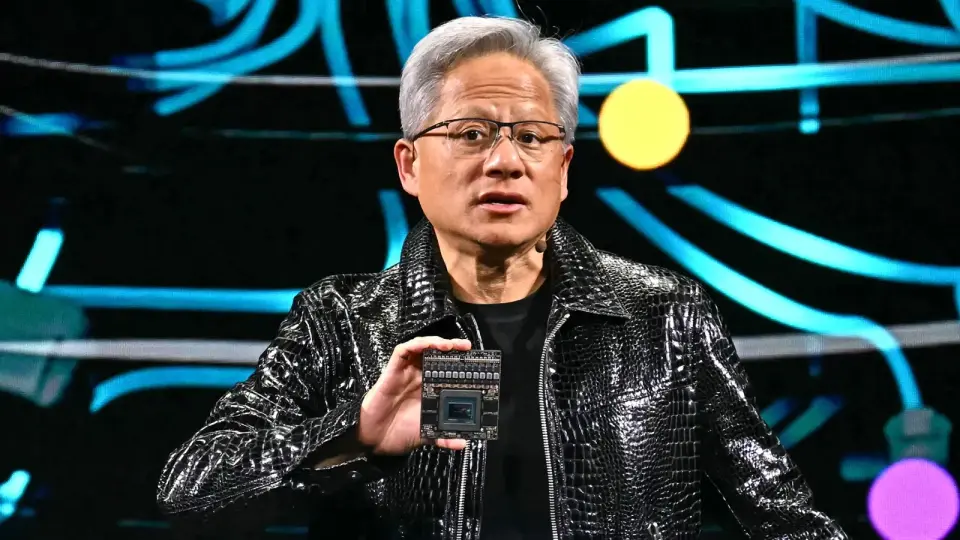
China is using illicit means to acquire US-made AI chips not for a singular race to artificial general intelligence, but to maintain competitive computing power while developing its own domestic manufacturing base. Experts argue Beijing views AI as a practical tool for economic integration rather than an existential military threat, a perspective that contrasts with the US focus on frontier capabilities. Despite US export controls, Chinese firms are accessing Nvidia hardware through loopholes, including data centers in Southeast Asia and potential complicity from certain US officials, to bridge the gap until they can produce equivalent chips domestically.
Key points
- Kyle Chan of the Brookings Institution argues China views AI as a 'general purpose' technology for economic integration, not a winner-take-all race to AGI.
- Kenton Thibaut of the Atlantic Council notes China focuses on 'near frontier' practical applications, while the US pursues 'frontier' systems.
- China is using 'bridge' strategies, such as leasing chips via Singaporean front companies, to maintain access to US tech while developing domestic manufacturing.
- US officials, including Commerce Secretary Howard Lutnik and AI Czar David Sacks, have allegedly facilitated chip sales to Chinese-linked entities despite export restrictions.
- The US maintains a chip advantage through a single manufacturing facility in Taiwan, which China aims to replicate but cannot yet match.
Background
This analysis follows recent turmoil in the semiconductor sector, including Jensen Huang’s resignation from Nvidia amid espionage allegations and a suspected link to Alice Huang. Recent reports indicate that AMD shares dropped 13% after allegations of illegal chip sales to China, and the SEC and California are probing Nvidia’s accounting and export compliance. These events highlight the ongoing tension between US export controls and Chinese efforts to circumvent them, a dynamic that has caused significant market volatility and regulatory scrutiny in late 2026.
Why it matters
The divergence in AI strategy between the US and China has profound implications for global technology leadership. If China successfully integrates AI into its economy and develops domestic chip manufacturing, it could neutralize the US advantage in computing power. This shift could alter the balance of power in economics, military, and medicine, moving the focus from a singular race to AGI toward a broader competition for practical technological dominance and economic resilience.
What to watch
Expect continued efforts by China to secure access to US chips through indirect channels while accelerating domestic manufacturing capabilities. US policymakers may face pressure to tighten export controls or, conversely, to maintain sales for economic reasons, as seen in recent approvals of chip sales to Chinese entities. The outcome will depend on whether China can successfully bridge the gap to self-sufficiency or if US restrictions will force a more fragmented global AI market.
- What China Gets From Its AI Honeypots and Smuggled Chips Rolling Stone
- China’s Spies Set Sights on A.I. Chips Years Before Nvidia Scandal The New York Times
- American and Chinese approaches to AI will converge The Economist
- The chip war’s next battleground Financial Times
- EXCLUSIVE: China taps US AI models to train homegrown rivals as chip curbs bite Reuters
Want the full story? Read the original reporting
Read on Rolling Stone