
Strait of Hormuz Traffic Plummets to 90% Below Pre-War Levels Amid US-Iran Control Dispute
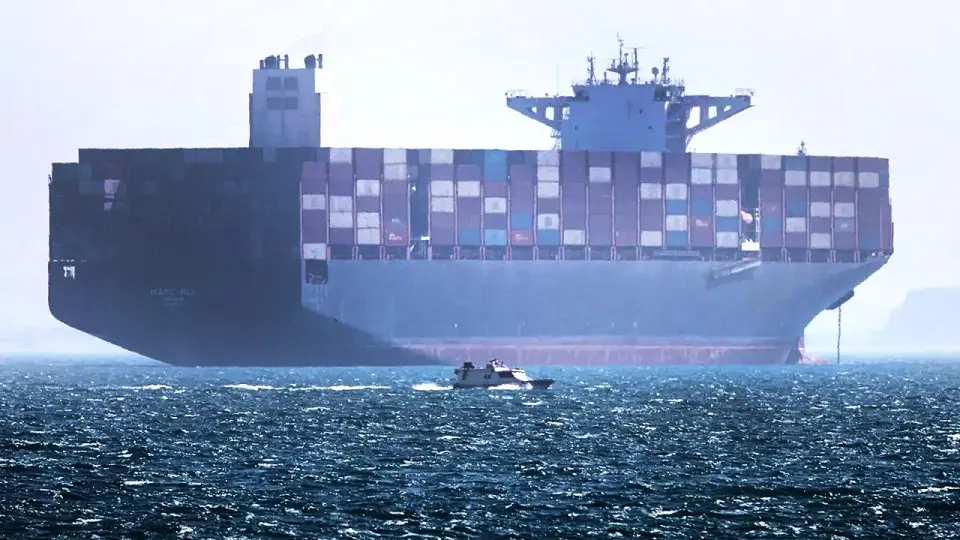
Shipping traffic through the Strait of Hormuz has dropped approximately 90% below pre-conflict baselines, with daily transits averaging around 13 vessels compared to 130-140 before the war began on February 28, 2026. While President Trump claims the U.S. has 'total control' of the waterway, Iranian officials assert the strait remains blocked until their demands are met. The International Chamber of Shipping describes control as 'divided,' with Iran managing the northern route and the U.S. Navy overseeing the southern route through Omani waters. Despite the traffic decline, U.S. Energy Secretary Chris Wright states that oil exports remain high due to covert ship movements and alternative pipeline routes, though the International Energy Agency warns that global oil stockpiles are rapidly dwindling.
Key points
- AIS data shows vessel transits are approximately 90% below pre-conflict levels, with a five-day average of around 13 ships as of August 12, 2026.
- President Trump claims the U.S. has 'total control' of the strait, while Iran's Persian Gulf Strait Authority insists the waterway remains blocked until U.S. conditions are accepted.
- John Stawpert of the International Chamber of Shipping states control is 'divided,' with Iran controlling the northern route and the U.S. Navy overseeing the southern route.
- U.S. Energy Secretary Chris Wright reports a seven-day average of nearly 9 million barrels per day leaving the strait, arguing that private trackers undercount traffic due to covert movements.
- The International Energy Agency warns of a 1.8 million barrel per day shortfall this quarter, noting that global oil stockpiles are falling rapidly.
- Two UAE tankers were attacked while transiting the strait on August 13, 2026, with no injuries reported but no group claiming responsibility.
Background
The conflict began on February 28, 2026, when the U.S. and Israel attacked Iran. An interim deal signed on June 17, 2026, briefly increased traffic to a five-day average of 60 vessels, but the agreement collapsed due to disputes over shipping routes. Iran subsequently attacked tankers using the U.S.-protected route, leading to U.S. strikes and a reimposed naval blockade. Previous coverage noted that while some officials touted near-prewar oil flows, data trackers like Kpler logged significantly lower ship crossings, highlighting a discrepancy in how traffic is measured.
How outlets are covering it
Fox News emphasizes the humanitarian aspect of the conflict, quoting John Stawpert on the 'unacceptable' risk to seafarers, while highlighting Trump's claim of 'total control' and Iran's refusal to reopen the strait. CNN focuses on the economic and environmental fallout, noting the rapid decline of global oil stockpiles, a massive oil spill off Oman covering 500 square miles, and the U.S. Treasury's plan to apply 'never before seen' economic measures against Iran. CNBC highlights the discrepancy between official U.S. claims of high oil exports and the actual low ship traffic, noting that while Wright cites 9 million barrels per day, Kpler data shows only 13 transits, suggesting that private trackers may be undercounting due to covert movements. All sources agree that the strait remains a critical point of contention, but they differ on the extent of U.S. control and the accuracy of traffic data.
Why it matters
The Strait of Hormuz is a critical chokepoint for global oil supplies, and its continued disruption threatens to exacerbate global energy shortages and inflation. The dispute over control and the accuracy of traffic data complicates diplomatic efforts to resolve the conflict, while the rapid depletion of oil stockpiles raises the risk of a severe economic downturn. The humanitarian concerns for seafarers and the environmental impact of oil spills further underscore the urgency of finding a resolution.
What to watch
The U.S. and Iran are expected to continue their diplomatic and economic standoff, with the U.S. potentially imposing further sanctions and Iran maintaining its blockade. The arrival of the USS George Washington carrier group may signal a continued U.S. military presence in the region. The International Energy Agency's warning about dwindling stockpiles suggests that oil prices could rise sharply if the strait remains contested, potentially leading to further economic instability. Diplomatic efforts, including mediation by Qatar and Pakistan, may continue, but progress is uncertain given the hardening positions of both sides.
- Who controls the Strait of Hormuz right now? Here's what the ship traffic actually shows Fox News
- Hormuz traffic slows further after US threatens more economic pressure on Iran Reuters
- Tankers Are Going Dark for Longer to Get Oil Out of Middle East Bloomberg.com
- August 13, 2026 — Strait of Hormuz traffic remains low as world burns through oil stockpiles CNN
- Strait of Hormuz ship traffic near three-month low as U.S.-Iran deal in doubt CNBC
Want the full story? Read the original reporting
Read on Fox News