
Oil flows recover in Strait of Hormuz, but high prices and attacks signal fragile peace
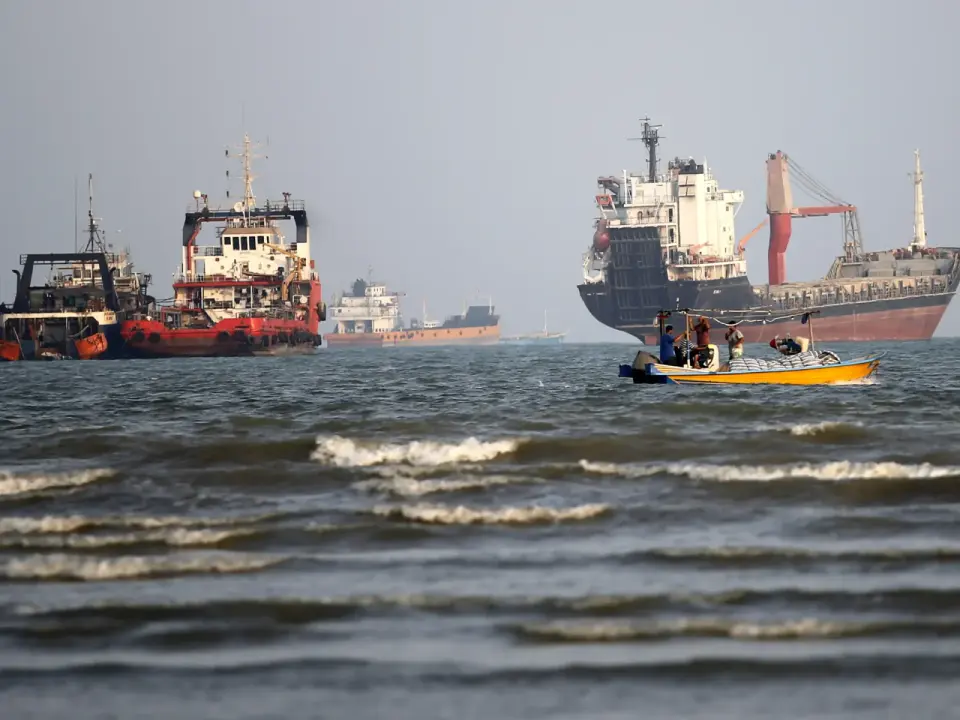
Oil traffic through the Strait of Hormuz has rebounded to nearly 80% of pre-war levels, primarily due to US Navy escorts and Saudi pipeline diversions. However, this recovery is fragile; refined fuel flows remain constrained, global inventories are depleted, and Iran continues to attack tankers. While Iran’s leverage is weakening, it retains the ability to disrupt infrastructure, keeping global energy prices high and negotiations stalled.
Key points
- Crude exports from the Middle East reached 16.328 million barrels per day in September, the highest since the war began in February, though still 3.2 million barrels below pre-war levels.
- US diesel prices hit a record $6.53 per gallon, driving inflation and prompting the Federal Reserve to raise interest rates by 25 basis points, its first increase in three years.
- Iran’s GDP contracted 10.1% year-on-year, and inflation reached 69.9%, yet Tehran rejects claims that its leverage is gone, citing ongoing attacks on shipping.
- Iran proposed a seven-day roadmap to reopen the strait and restart nuclear talks, but the US rejected the plan, with disagreements now centered on the sequencing of concessions.
- The US released 40 million barrels from the Strategic Petroleum Reserve, which is at its lowest level since 1983, to cushion the impact of depleted global inventories.
Background
The US-Israeli war on Iran began on February 28, 2026, leading to a US naval blockade and Iran’s closure of the Strait of Hormuz. Previous coverage noted a 60-day ceasefire expiration in August and a collapsed June memorandum of understanding. Iran has shifted some trade to the Caspian Sea, while the US has pivoted its war goals toward protecting Hormuz shipping and deterring proxies.
How outlets are covering it
Al Jazeera emphasizes that while oil flows are recovering, Iran’s leverage is weakening but not disappearing, citing high insurance costs and constrained refined fuel flows. CNN argues that Iran has lost considerable leverage due to US military escorts and Saudi diversions, but warns that the status quo is unsustainable as global inventories shrink. The Washington Post highlights that the rebound in crude does not translate to lower consumer prices because refining infrastructure is damaged and refined product flows remain at just 58% of pre-war levels. All sources agree that the situation is volatile, with recent attacks on tankers and the Saudi East-West pipeline underscoring the fragility of the current arrangement.
Why it matters
The stability of the Strait of Hormuz is critical for global energy security. The current fragile equilibrium, maintained by costly US military operations and depleted reserves, risks a sharp price spike if Iran escalates attacks or if inventories run out. High fuel prices are impacting US politics, with President Trump’s approval rating at a career-low 32%, and influencing global inflation and monetary policy. A durable peace is essential to normalize energy markets and reduce economic pressure on both the US and Iran.
What to watch
Negotiations between the US and Iran will continue, with the main disagreement now focused on the sequencing of measures rather than the components of the plan. The US is expected to maintain its naval presence and economic pressure, while Iran may increase attacks on oil infrastructure to regain leverage. The market will watch for signs of a diplomatic breakthrough or further disruptions, such as attacks on the Saudi East-West pipeline or other fixed assets, which could quickly offset the current recovery in oil flows.
- ‘Economic war’: Is Iran losing its leverage over the Strait of Hormuz? Al Jazeera
- Iran has lost considerable leverage in the Strait of Hormuz. It can’t go on like this forever CNN
- How the U.S. got oil shipments moving and what it would take to bring prices down The Washington Post
- Mideast Crude Oil Flows Hit 98% of Pre-War Level, JPMorgan Says Bloomberg.com
- Middle East Crude Oil Exports Back at Prewar Levels, Analysts Say WSJ
Want the full story? Read the original reporting
Read on Al Jazeera