
UAE Condemns Iran for 'Unprovoked' Strikes on ADNOC Tankers in Hormuz
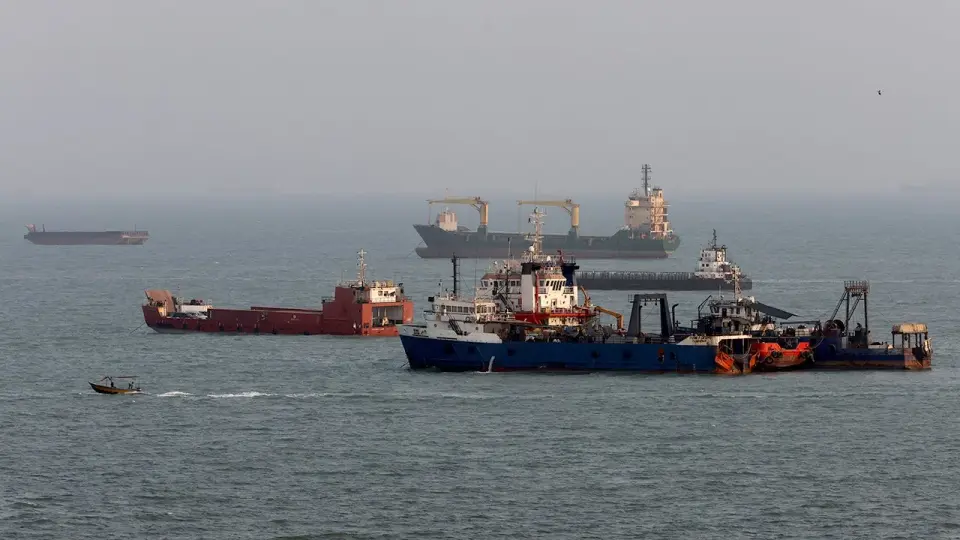
The UAE Ministry of Foreign Affairs accused Iran of launching 'unprovoked' attacks against two vessels affiliated with Abu Dhabi National Oil Company (ADNOC) in the Strait of Hormuz. While no injuries were reported, the UAE cited UN Security Council Resolution 2817 to label the incidents as acts of piracy by the Islamic Revolutionary Guard Corps. Concurrently, U.S. Central Command (CENTCOM) denied reports of crew deaths or mental health crises aboard the USS Abraham Lincoln, which has been deployed to the region for over 260 days. Market analysts note that despite diplomatic hopes, commercial traffic through Hormuz remains impaired, keeping oil prices elevated as the conflict shifts toward an economic endurance test.
Key points
- UAE officials stated that two ADNOC-affiliated vessels were targeted in the Strait of Hormuz, describing the actions as 'flagrant' maritime violations and acts of piracy.
- The UAE Ministry of Foreign Affairs cited UN Security Council Resolution 2817, which demanded Iran halt strikes against Gulf states, to justify its condemnation of the attacks.
- CENTCOM issued a statement denying claims that seven sailors died in a brawl or that there was a spike in suicidal ideation aboard the USS Abraham Lincoln, noting an 84.4% reenlistment rate.
- Secretary of War Pete Hegseth addressed the reports, stating that conditions aboard the carrier were 'completely misrepresented' and praising the resilience of the crew after 260 days at sea.
- Investing.com analysis suggests that while Washington applies economic pressure, Iran is adopting a 'survival economy' strategy, indicating that the conflict may persist without immediate military resolution.
Background
This latest incident follows a series of escalations in the Gulf since July 2026. In July, the U.S. conducted multi-hour air campaigns against Iran while Tehran retaliated with strikes on Gulf assets, including UAE-flagged tankers. By August, ADNOC reported that 15 of its vessels had been attacked since the conflict began, with some incidents resulting in casualties. Previous reports also noted that Iran set conditions for reopening the Strait of Hormuz, linking it to the lifting of U.S. sanctions and naval blockades, while regional mediators attempted to maintain diplomatic channels.
How outlets are covering it
Fox News emphasized the UAE's diplomatic response, highlighting the characterization of the attacks as 'unprovoked' and the invocation of international law via UN resolutions. The outlet also focused on the U.S. military's rebuttal of negative reports regarding the USS Abraham Lincoln, framing the narrative around the resilience of U.S. forces. In contrast, Investing.com focused on the economic implications, arguing that the situation is less about a peace process and more about a 'war of economic endurance.' The financial outlet noted that oil traders remain skeptical of diplomatic headlines because commercial traffic through Hormuz has not normalized, suggesting that the market is pricing in a prolonged stalemate rather than a quick resolution.
Why it matters
The attacks on ADNOC vessels underscore the continued vulnerability of global energy supply chains, as the Strait of Hormuz remains a critical chokepoint for oil transport. The UAE's formal condemnation and reference to UN resolutions may influence international diplomatic pressure on Iran. Meanwhile, the U.S. military's public defense of its carrier's conditions aims to counter narratives of domestic unrest or operational failure, which could affect public perception of the deployment's viability. For markets, the lack of normalization in shipping traffic suggests that oil prices may remain volatile, as traders weigh the risk of further disruptions against the possibility of a protracted economic standoff.
What to watch
The UAE has called for the immediate cessation of hostilities and the unconditional reopening of the Strait of Hormuz. U.S. officials continue to support the deployment of the USS Abraham Lincoln, with Secretary of War Pete Hegseth emphasizing the provision of resources to the crew. Market analysts expect oil prices to remain sensitive to any further incidents in the region, as the physical reality of impaired shipping contradicts diplomatic optimism. Regional mediators, including Pakistan, are reportedly working to extend diplomatic windows, but the gap between political rhetoric and on-the-ground conditions remains a key variable for future escalation or de-escalation.
Want the full story? Read the original reporting
Read on Fox News