
BOJ poised for 31-year rate high as U.S. pressure and domestic inflation collide
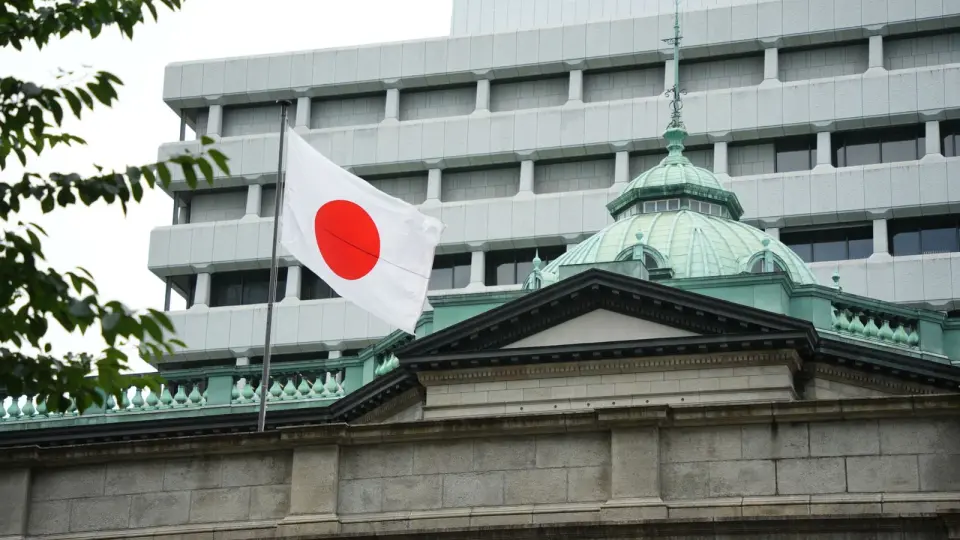
The Bank of Japan is expected to raise rates to 1.25% this week, marking a 31-year high and an acceleration of its tightening cycle. This move responds to rising inflation, wage growth, and significant pressure from the U.S. government to strengthen the yen. While most analysts predict a 25 basis point hike, some dissenters argue for a pause or a larger 50 basis point jump, reflecting uncertainty over future policy pace.
Key points
- A CNBC survey of 18 economists indicates 89% expect the BOJ to hike rates by 25 basis points to 1.25% on Friday, breaking from its previous six-month interval.
- July headline inflation reached 1.9%, driven by energy costs from the Iran war, while real wages rose 2.4% for the seventh consecutive month.
- U.S. Treasury Secretary Scott Bessent urged BOJ Governor Kazuo Ueda to take decisive monetary steps at a recent G20 meeting, prioritizing a stronger yen to protect U.S. Treasury yields.
- A historic joint intervention in late July and August, involving $96 billion in support, helped stabilize the yen, which had hit 40-year lows near 164 per dollar.
- Dissent is possible from board members Toichiro Asada and Ayano Sato, who favor reflationary policies, while others like Hajime Takata have advocated for more aggressive rate increases.
Background
The BOJ began its policy normalization in March 2024, previously adhering to a steady six-month schedule for rate hikes. The last increase occurred in June 2026. Recent market volatility has seen 10-year Japanese government bond yields surge to 30-year highs, while the yen has experienced significant swings, strengthening past 153 per dollar in recent weeks due to intervention and hawkish signals.
How outlets are covering it
CNBC emphasizes the inevitability of the hike due to U.S. pressure and inflation data, noting that the Trump administration has effectively removed political barriers for the BOJ. In contrast, the Financial Times highlights the delicate balance Ueda faces between domestic stagflation risks and external currency pressures. The FT notes that while the yen's recent rally provides cover for a less hawkish stance, the U.S. demand for a stronger currency creates a conflict with Prime Minister Sanae Takaichi’s preference for lower rates to stimulate growth. Some analysts, like Carlos Casanova, argue data does not yet justify a faster pace, while others like Jesper Koll predict a larger 50 basis point move.
Why it matters
This decision signals a potential shift in the BOJ’s monetary policy trajectory, moving from gradual normalization to a more aggressive stance. It reflects the increasing geopolitical influence of the U.S. on Japanese monetary policy, particularly regarding currency stability and global bond market dynamics. A stronger yen could mitigate risks of Japan selling U.S. assets but may also impact domestic economic growth, creating a complex trade-off for policymakers.
What to watch
Markets will closely monitor the BOJ’s statement and Ueda’s press conference for signals on future rate hikes, particularly whether the phrase 'financial conditions have been accommodative' remains. The next few weeks will test the resilience of the yen and the BOJ’s ability to balance inflation control with economic growth, amid ongoing tensions between Tokyo and Washington.
- BOJ expected to hike rates by 25 basis points to fresh three-decade high: CNBC survey CNBC
- Architects of Japan’s Easy-Money Policies Are Changing Their Minds The New York Times
- Bank of Japan Set to Deliver Fastest Hike of Cycle as Pressure Mounts wsj.com
- Japan’s Economic Comeback Faces Hardest BOJ Test in a Generation bloomberg.com
- Japan’s central bank set for pivotal moment on rates Financial Times
Want the full story? Read the original reporting
Read on CNBC