
Canada warns tariff volatility raises capital costs as U.S. trade talks resume
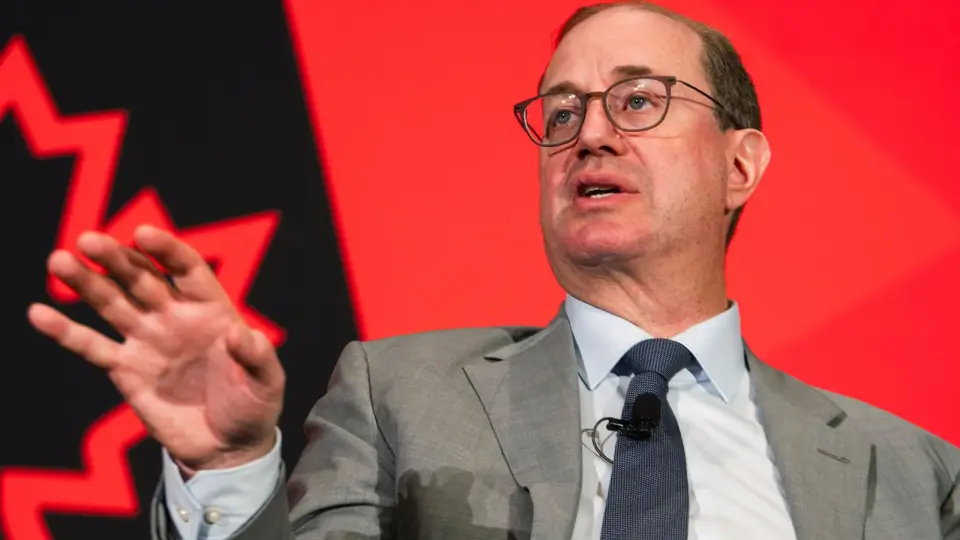
Canada’s U.S. ambassador Mark Wiseman warned at the B20 summit that tariff uncertainty is increasing the cost of capital and discouraging long-term business expansion. New Federal Reserve research indicates that nearly 90% of tariff costs have been passed to U.S. importers, with further consumer price hikes expected in 2027. While Washington and Ottawa have resumed negotiations on steel and auto duties, trade volumes remain below pre-2025 levels. European allies echoed concerns about regulatory instability, while Canadian Prime Minister Mark Carney emphasized the need for predictable trade rules to restore free trade.
Key points
- Ambassador Mark Wiseman stated that uncertainty surrounding U.S. tariffs raises the cost of capital, making businesses less likely to invest in new plants or R&D.
- New York Fed research found that approximately 90% of tariff costs were passed to U.S. importers, with about 25% reaching consumer prices, and more pressure expected in 2027.
- U.S. customs duties on Canadian imports reached $10 billion in 2025, up from $400 million in 2024, according to the Congressional Research Service.
- Trade between the U.S. and Canada reached $570 billion in the first nine months of 2026, higher than 2025 but lower than the previous three years under President Biden.
- Wiseman called for the removal of tariffs under Sections 232 and 338, while Democrats prepare to challenge these measures in Congress after winning the midterms.
Background
The current dispute follows a collapse in August 2026, with talks resuming in November amid midterm elections. Earlier in 2026, President Trump threatened 150-300% tariffs on foreign firms not investing in U.S. plants, specifically targeting Canada. Honda executives previously warned that 50% tariffs on Canadian vehicles would be catastrophic. Canadian Prime Minister Mark Carney has consistently urged the restoration of free trade, noting that Canada remains focused on affordability and sovereignty despite shifting U.S. political dynamics.
How outlets are covering it
CNBC highlights the economic impact of uncertainty on investment and inflation, citing Federal Reserve data and ambassadorial warnings. The Akron Beacon Journal argues that the trade war harms U.S. households, estimating a cost of nearly $2,300 per Ohio household, and criticizes the disruption of decades of integration. AgUpdate emphasizes that trading partners are diversifying away from the U.S. market, warning that American agriculture risks losing influence as other nations adapt. National Review offers a minor technical correction regarding Canadian sales taxes, clarifying that GST and PST are not tariffs but domestic taxes applied to all goods.
Why it matters
The ongoing tariff dispute threatens to destabilize one of the world’s largest trading relationships, potentially raising consumer prices and discouraging capital investment. As Democrats move to challenge tariff policies in Congress, the resolution of this dispute could reshape North American supply chains and influence global trade norms. The uncertainty also risks pushing key allies like Canada toward alternative trade partnerships, such as with China, reducing U.S. economic leverage.
What to watch
Negotiations between Washington and Ottawa will focus on reducing tariffs on steel, automobiles, and dairy. Democrats in Congress are expected to challenge Trump’s tariff authority in January, though the President retains veto power. Businesses will monitor regulatory changes and potential price adjustments in 2027 as they make long-term investment decisions.
- Canada’s ambassador warns Trump tariffs are driving up costs, threatening U.S. investment CNBC
- Could the blue wave change Trump's tune with Canada? | Opinion Akron Beacon Journal
- Canada’s Tariffs: A Reader Objects National Review
- What we lose in a trade war: Partners moving on as we argue AgUpdate
- News | Tariff concerns help push Canadian industrial developer into US CoStar
Want the full story? Read the original reporting
Read on CNBC