
France's Student Truce Masks Deepening Bond Crisis
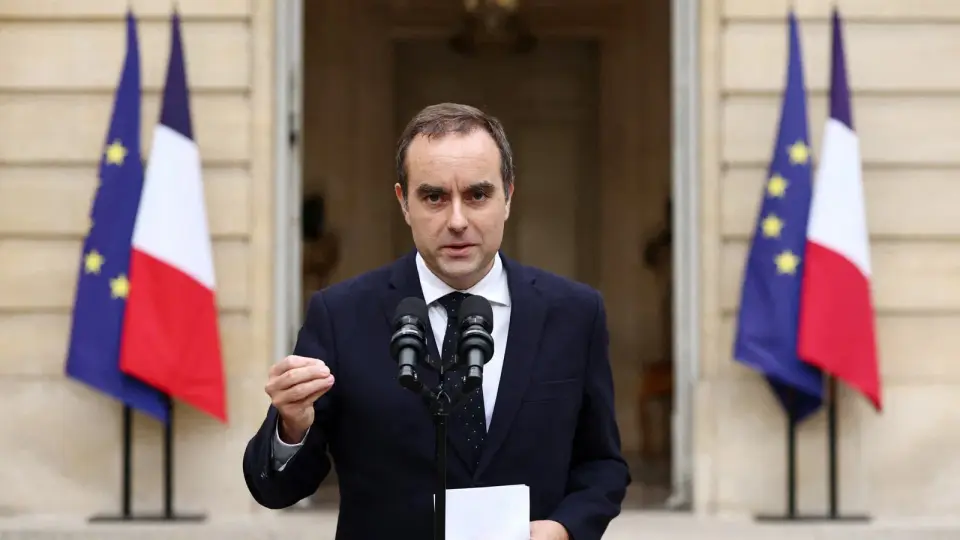
Student protests in France paused briefly, but market pressure intensified as bond yields hit multi-decade highs. Prime Minister Sébastien Lecornu faces a critical budget negotiation next week to address a deficit exceeding 5.1% of GDP, while investors warn of a potential sovereign debt crisis.
Key points
- Student protests paused on Wednesday but are expected to resume Thursday after three weeks of unrest, which included over 6,000 arrests and hundreds of school closures.
- Prime Minister Sébastien Lecornu plans to address the nation Wednesday evening and open dialogue with students, while accusing the radical-left party La France Insoumise of hijacking the movement.
- Yields on France's 10-year government bonds (OATs) surged to multi-decade highs, rising over 100 basis points since the start of the year, with the premium over German bonds at its widest since the euro zone crisis.
- The French government must negotiate a fiscal adjustment worth tens of billions of euros in a divided National Assembly, following a 2026 budget passed via emergency legislation in February.
- Pimco CEO Emmanuel Roman called the bond market situation 'critical,' while Bank of France Governor Emmanuel Moulin stated the ECB would not intervene to solve France's fiscal problems.
- Marine Le Pen, the frontrunner for the spring 2027 presidential election, pledged to reduce the deficit to 3% within 18 months, a plan critics question as feasible.
Background
Since late September, student protests sparked by teacher shortages and poor school conditions have escalated into nationwide unrest, coinciding with union strikes against the government's budget. Previous coverage noted violent clashes, including a student losing a hand in Lens, and over 250,000 demonstrators participating in the largest student protests in decades. The unrest has compounded political tensions ahead of the 2027 presidential election and heightened concerns about France's fiscal outlook.
How outlets are covering it
CNBC emphasizes the immediate political deadlock and the government's attempt to manage the student movement through dialogue, while highlighting the risk of a sovereign debt crisis. Business Insider frames France's bond market turmoil as a warning to global investors, noting that France lacks the safety nets of the US or Japan and faces a difficult choice between cutting spending, raising taxes, or borrowing at punishing rates. CNN's content was largely obscured by technical code, but its title suggests a focus on the potential spillover effects of France's debt crisis to the rest of Europe.
Why it matters
France's fiscal instability and political gridlock are driving bond yields to historic highs, raising fears of a sovereign debt crisis that could ripple through global markets. The inability to pass a credible budget amid rising deficits and political polarization threatens economic growth and investor confidence, with potential implications for the US and other European economies.
What to watch
Budget negotiations are set to begin next week, where the government must secure a fiscal adjustment in a divided National Assembly. Student protests are expected to resume Thursday, and the government will continue dialogue with students. The spring 2027 presidential election, with Marine Le Pen as the frontrunner, will further shape France's fiscal and political trajectory. Rating agencies Moody's and S&P are expected to review France's credit in Q4, potentially amplifying market pressure.
- France is caught between angry students and unforgiving bond markets CNBC
- France’s student protests highlight a debt crisis that could spill over to the rest of Europe CNN
- France’s Economy Is Trapped in a Negative Feedback Loop WSJ
- France's bond-market turmoil is a warning for US investors as global borrowing costs keep rising Business Insider
- The Specter of Market Contagion Is Haunting Europe Bloomberg.com
Want the full story? Read the original reporting
Read on CNBC