
Mexico's EV Market Booms as Chinese Brands Flood the Market
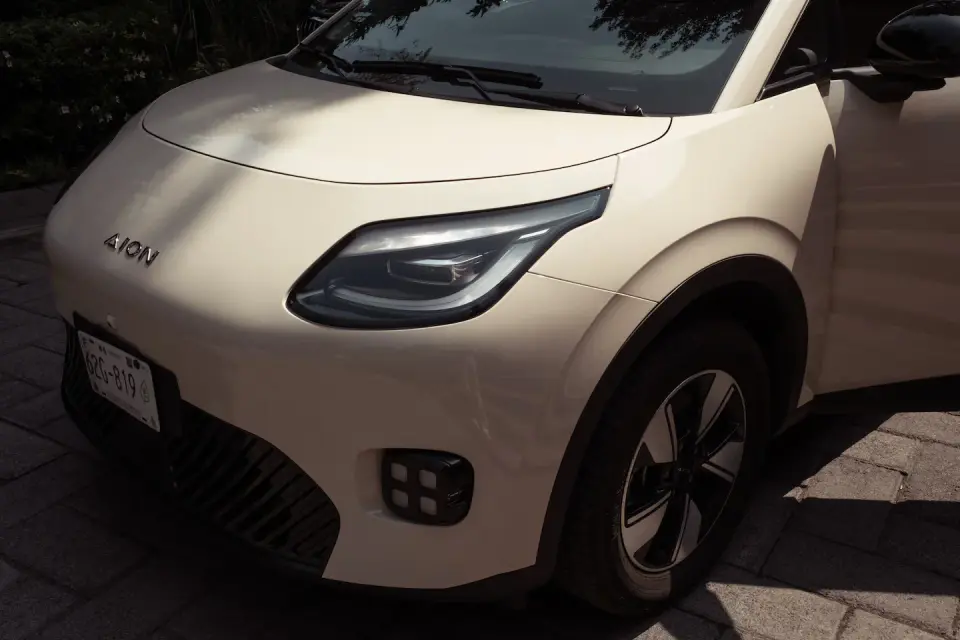
Mexico has become a major hub for electric vehicles, with Chinese automakers capturing nearly 30% of the market through imports and joint ventures. While U.S. brands struggle to compete on price, Mexico's government balances trade tensions with the U.S. against growing Chinese influence, even as economic uncertainty and climate risks loom.
Key points
- Chinese-made vehicles account for 29.2% of Mexico's total sales, with over 356,000 units sold in the first nine months of 2026.
- Nissan and other global automakers are restructuring costs and launching hybrid models to compete with Chinese rivals, who are expected to begin local manufacturing within three years.
- Mexico's President Claudia Sheinbaum is navigating U.S. trade pressure, including the non-renewal of the USMCA, while maintaining ties with China as a key supplier.
- Public debt has reached 63% of GDP, its highest in three decades, and a potential Super El Niño could exacerbate water scarcity and economic instability.
Background
Recent developments in the automotive sector, such as Volvo's job cuts due to Chinese sales declines and NASA's solid-state battery advancements, highlight the global shift toward electric vehicles and the competitive pressures facing traditional automakers. Mexico's strategic position in this transition is further complicated by its role as a critical mineral supplier to the U.S. and its ongoing trade negotiations.
How outlets are covering it
The Washington Post emphasizes Mexico's role as a showroom for affordable, advanced electric vehicles, highlighting the stark contrast with U.S. markets. MEXICONOW focuses on the strategic moves of Chinese automakers and the defensive responses from traditional brands like Nissan, noting the potential for fierce price competition. Credendo provides a broader economic and political context, stressing Mexico's balancing act between U.S. and Chinese interests, the impact of USMCA uncertainty, and the risks posed by rising public debt and climate change. While the Post and MEXICONOW concentrate on market dynamics, Credendo underscores the macroeconomic and geopolitical challenges facing Mexico.
Why it matters
Mexico's rapid adoption of Chinese electric vehicles signals a shift in North American automotive trade, potentially reshaping supply chains and competitive dynamics. The U.S. may face increased pressure to address trade imbalances and secure critical mineral supplies, while Mexico's economic stability depends on managing these transitions amid rising debt and climate risks.
What to watch
Watch for the entry of Chinese manufacturers into local production in Mexico within the next three years, which could intensify price competition. Monitor U.S.-Mexico trade negotiations, particularly regarding USMCA renewal, and assess the impact of a potential Super El Niño on Mexico's water resources and economic output.
- Column | I saw the future of driving in Mexico. It’s off-limits to Americans. The Washington Post
- Caught between the US and China Financial Times
- Chinese Automakers Make Mexico Their First Stronghold in North America MEXICONOW
- Op-Ed: Mexico Shows How US Automakers Are Failing Newser
- Mexico: Walking a tightrope under mounting US pressure Credendo
Want the full story? Read the original reporting
Read on The Washington Post