
OPEC+ Finalizes Voluntary Cut Rollback, but War Disruptions Keep Hikes Symbolic
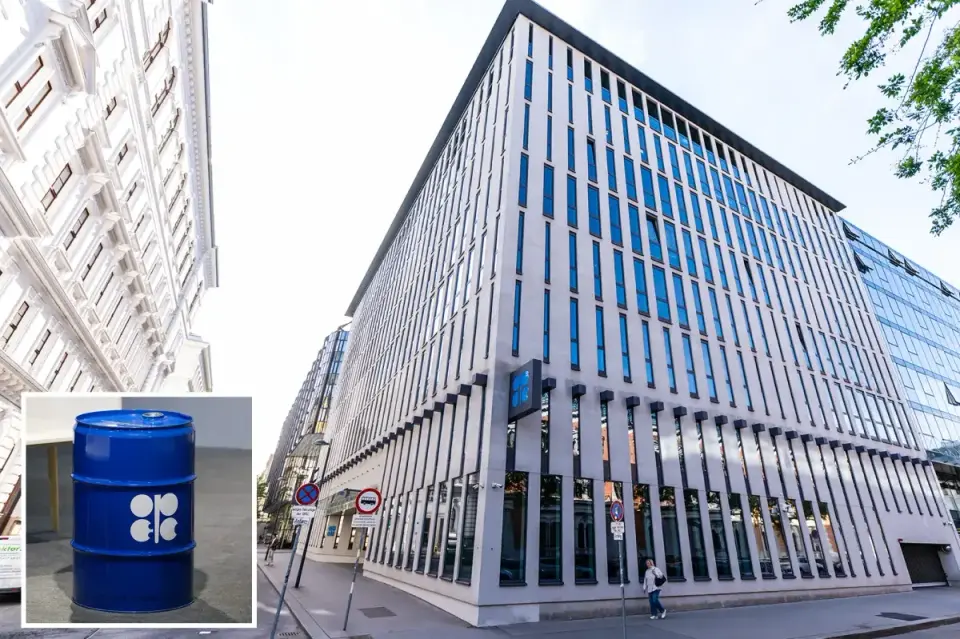
OPEC+ approved a September production increase of 188,000 barrels per day, completing the phased rollback of voluntary cuts agreed in 2023. However, analysts note that ongoing conflicts in the Middle East and Ukraine have kept actual output increases largely on paper. The group is now reviewing member capacities to set 2027 baselines, with a likely pause in hikes for the fourth quarter.
Key points
- OPEC+ core members agreed to a 188,000 bpd quota increase starting in September, finishing the unwinding of a 1.65 million bpd cut from 2023.
- Actual market impact has been minimal due to export disruptions from the Iran and Ukraine wars, making recent hikes largely symbolic.
- The group is conducting a capacity review to establish 2027 production baselines, a process complicated by current regional conflicts.
- Analysts expect a pause in output increases for the fourth quarter while the group monitors market conditions and prepares for 2027 negotiations.
- A separate monitoring committee reiterated concerns about attacks on energy assets, noting that repairs are costly and time-consuming.
Background
In July, oil prices spiked toward $100 a barrel due to U.S.-Iran tensions and disruptions in the Strait of Hormuz, fueling inflation concerns and Fed rate hike expectations. Earlier coverage noted that while Iran's leverage over global flows was waning as alternative routes expanded, volatility remained high. The current decision follows a period where OPEC+ attempted to unwind cuts despite physical supply constraints caused by regional conflicts.
How outlets are covering it
Reuters and the New York Post emphasize the formal completion of the 2023 voluntary cut rollback, highlighting the administrative milestone. CNBC, however, frames the September hike as symbolic, arguing that OPEC+ is signaling operational cohesion despite physical supply constraints. While the Post notes the likelihood of a fourth-quarter pause, CNBC adds that the conflict complicates the capacity assessment for 2027, potentially leading to quota breaches or coordination issues once shipments normalize. Both sources agree that the current hikes have had little real-world impact due to export disruptions.
Why it matters
The completion of the voluntary cut rollback marks a shift in OPEC+ strategy from supply management to capacity assessment. The disconnect between paper quotas and physical output highlights the fragility of global energy supply chains amid geopolitical conflict. Future market stability depends on how OPEC+ navigates the 2027 baseline negotiations and whether the group can maintain unity as export flows normalize.
What to watch
OPEC+ core members will meet on September 6 to decide on fourth-quarter output levels. The group is expected to pause further increases to observe market developments. The ongoing capacity review will determine 2027 quotas, with members like Iraq potentially pushing for higher individual limits. Investors will watch for signs of quota breaches or coordination failures as the Middle East conflict evolves.
- OPEC+ agrees to September oil hike, completing rollback of voluntary cuts New York Post
- OPEC+ agrees September oil hike, completing rollback of voluntary cuts reuters.com
- Kuwait July Oil Output Rose to Highest Since Mideast War Began Bloomberg
- OPEC, Allies Increase Oil Output for Sixth Time in a Row WSJ
- CCTV Script 03/08/26 cnbc.com
Want the full story? Read the original reporting
Read on New York Post