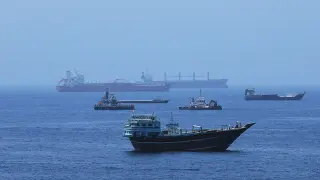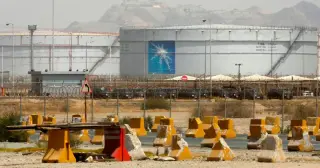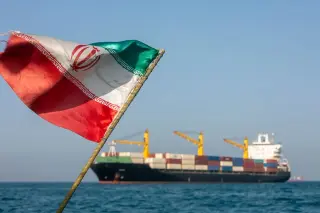
Oil prices fell over the week to about $96 Brent despite Middle East tensions and Hormuz disruptions, marking OilPrice’s biggest weekly decline since 2025 as March OPEC+ output cuts and Saudi field outages limit supply, while China allows SPR draws and other nations move to bolster energy security.
An accessible explainer on why oil prices surge: crude is formed from ancient plankton and refined into fuels, but the price is driven by a mix of physical supply and demand plus traders’ moods in the futures market. OPEC and strategic reserves influence available supply, while geopolitical shocks in the Middle East—especially around the Strait of Hormuz—can trigger sharp price moves as flow is threatened and fear rises, with wider effects on inflation and the global economy.
OPEC has raised its oil output to help stabilize global markets amid rising tensions in the Middle East and related demand concerns tied to recent U.S.- and Israeli actions.
OPEC+ approved a modest 206,000 barrels-per-day production increase for April, ending a three-month pause, but with Gulf shipping disruptions and Iran-related risks, analysts say the move may do little to calm markets as Brent nears $80 per barrel.
An OPEC+ coalition agreed to lift output by about 206,000 barrels per day to offset potential Iran-driven supply shortfalls after weekend strikes, signaling a measured response to geopolitical risk while avoiding oversupply; markets are watching the Strait of Hormuz for disruption, with expectations of higher oil and gasoline prices depending on the conflict’s scope.
Oil prices jumped above $70 after failed U.S.-Iran talks, with Brent around $72.54 and WTI about $66.89. Energy shares rose as markets weigh potential military action against possible production shifts by OPEC+. Oman said progress in mediation and technical discussions are slated for Vienna next week, as traders also monitor an upcoming OPEC+ meeting that could signal production changes amid broader geopolitical risk.
Oil prices hovered near six-month highs and were on track for their first weekly gain in three weeks as traders weighed potential US action against Iran and the risk of supply disruption via the Strait of Hormuz; a US Supreme Court ruling on tariffs had little market impact, while falling inventories and talks of renewed OPEC+ output underpin expectations of higher prices.
Oil prices fell by about $3 a barrel after signs of de-escalation with Iran and a stronger U.S. dollar, with Brent at around $66.30 and WTI near $62.14 as milder U.S. weather also weighed on forecasts. Iran and the United States plan to resume nuclear talks, and OPEC+ kept output unchanged for March, reflecting expectations of a 2026 global inventory build. Analysts say the easing tensions could cap upside for oil in the near term, while still keeping prices sensitive to dollar moves and regional supply dynamics.
OPEC+ kept its March oil output unchanged after lifting quotas earlier, with Brent near six-month highs as Iran–U.S. tensions support prices; the group reiterated full compliance but gave no guidance beyond March, keeping options open for future policy depending on market conditions.
Former Nigerian oil minister Diezani Alison-Madueke, who led OPEC in 2014–15, told a Southwark Crown Court in London that she did not take bribes as she faces five bribery counts and a conspiracy charge tied to 2011–2015. Prosecutors allege she enjoyed a lavish lifestyle funded by oil-contract interests linked to Atlantic Energy and SPOG Petrochemical, while the defence says critical records are missing or delayed, hindering her ability to defend herself.
Trump’s plan to revive Venezuela’s oil is expected to take years and hinge on political and legal reforms, but could shift energy dynamics: U.S. producers like Chevron and Gulf Coast refiners would benefit from access to heavy Venezuelan crude, potentially giving Washington more influence over markets and helping lower domestic gasoline prices; losers could include countries and firms tied to Venezuela or China’s teapot refineries if flows shift or prices fall. Analysts project Venezuelan output rising to about 1.5 million barrels per day in 12–24 months—still a small share of global supply—while investment remains uncertain, with Exxon calling the plan “uninvestable” without governance changes, though Repsol, Eni, Shell and Valero indicate readiness to expand and Canadian heavy-crude exporters may face squeezes.
Russian oil production significantly decreased in December by over 100,000 barrels per day due to US sanctions impacting export sales, marking the largest drop since mid-2024, with difficulties in selling crude overseas and potential effects from Ukrainian airstrikes on production facilities.
Increasing Venezuela’s oil output will require years and billions of dollars, with geopolitical factors like OPEC decisions, Russia's war in Ukraine, and global demand influencing the timeline and feasibility of boosting production.
OPEC+ members decided to keep oil output steady amid geopolitical tensions and a significant drop in oil prices, prioritizing market stability over increasing supply despite internal and external crises affecting member countries.
OPEC+ has decided to maintain current oil production levels through March, opting for caution amid a global surplus and geopolitical uncertainties, including the US capture of Venezuela's Maduro, which may impact supplies. The group aims to avoid adding volatility to an already fragile market, with ongoing challenges from geopolitical conflicts and slowing demand.