
Japan Executes Yen-Buying Intervention Amid U.S. Rate Check
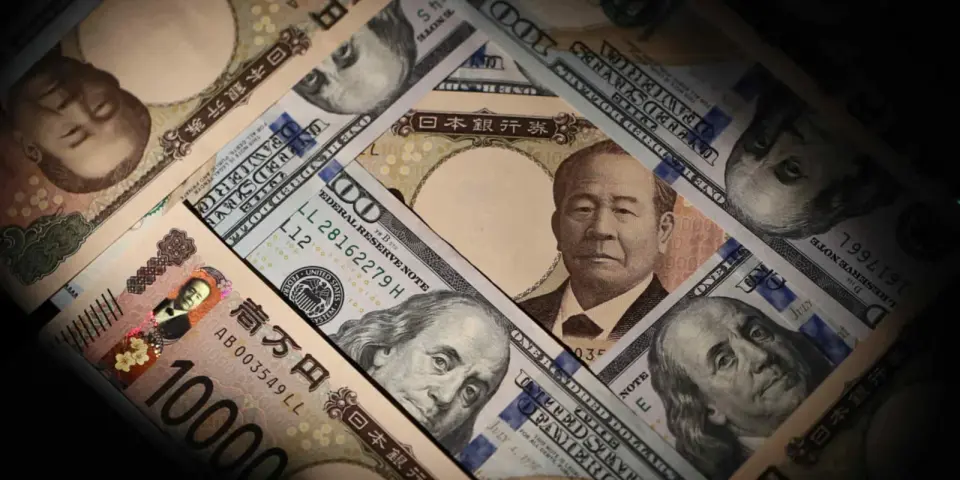
The Japanese government actively intervened in foreign exchange markets on Thursday to purchase yen and sell dollars, aiming to curb the currency's depreciation. Simultaneously, U.S. authorities conducted a rate check, a monitoring action often interpreted as a precursor to potential intervention. This coordinated activity highlights ongoing efforts to manage currency volatility amid persistent structural pressures.
Key points
- Japanese officials executed a direct intervention to buy yen and sell dollars on Thursday.
- U.S. authorities performed a rate check, a move frequently viewed as a warning or precursor to intervention.
- Market participants confirmed both actions, indicating active management of currency levels by both nations.
- The interventions occur against a backdrop of significant currency weakness and wide interest rate differentials.
Background
This latest action follows a period of sustained yen weakness, with the currency previously reaching near 40-year lows against the dollar in July 2026. Earlier interventions and Bank of Japan rate hikes in June and July 2026 provided only limited relief, as the yen remained near 160 per dollar due to the wide U.S.-Japan rate gap and persistent carry trades. Analysts have noted that Japan's large public debt forces the Bank of Japan to cap long-term yields, creating a structural tension that pressures the yen. Additionally, concerns have been raised that Japanese interventions could involve selling U.S. Treasury reserves, potentially impacting global bond markets. The current intervention reflects continued efforts to stabilize the currency despite these underlying structural challenges.
Why it matters
The simultaneous actions by Japan and the U.S. signal heightened vigilance over currency stability in a market characterized by significant interest rate disparities. For investors, this indicates that official authorities are willing to act to prevent extreme volatility, which can influence global capital flows and carry trade strategies. The U.S. rate check, in particular, suggests that Washington is monitoring the situation closely, potentially to protect its own financial markets from spillover effects. This event underscores the ongoing challenge for policymakers to manage currency values without exacerbating broader financial instability, especially given the structural constraints imposed by Japan's debt levels and the persistent gap in monetary policy between the two economies.
What to watch
Market participants will likely monitor for further signs of intervention from both Japan and the U.S. in the coming days. The effectiveness of the current yen-buying action will be assessed by observing whether the currency stabilizes or continues to weaken. Additionally, attention will turn to any further rate checks or official statements from U.S. authorities, which could indicate a shift toward more active intervention. Investors may also watch for any impact on U.S. Treasury prices, given the potential for Japanese officials to sell FX reserves to fund interventions. The broader market will look for clues on whether these actions can provide lasting relief or if structural factors will continue to pressure the yen.
- Japan carries out yen-buying intervention as US executes rate check Nikkei Asia
- Japanese Yen Jumps to 2-Month High Versus Dollar in Possible Intervention WSJ
- Japan intervenes to prop up yen ahead of BOJ policy decision, source says Reuters
- Sharp Spike in Japanese Yen Stokes Currency Intervention Worries Barron's
- Yen Surge Spurs Speculation Japan Intervened in Market Again Bloomberg
Want the full story? Read the original reporting
Read on Nikkei Asia