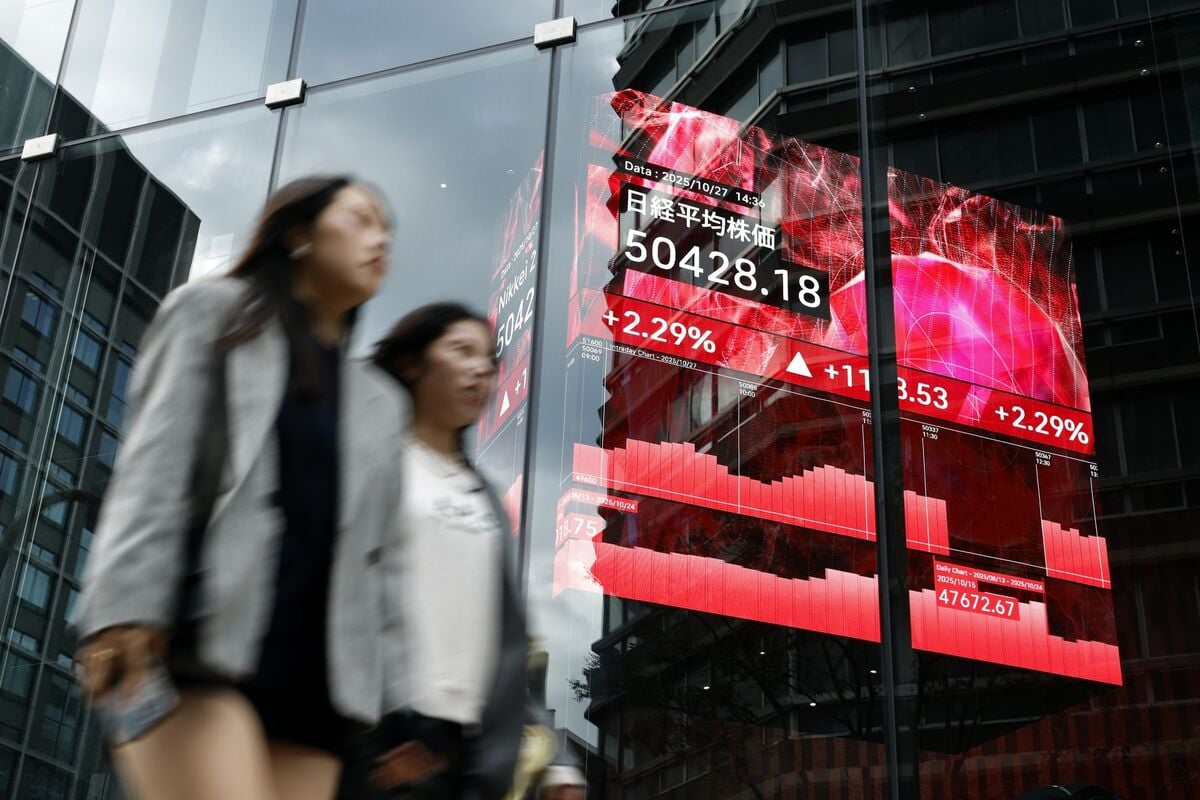
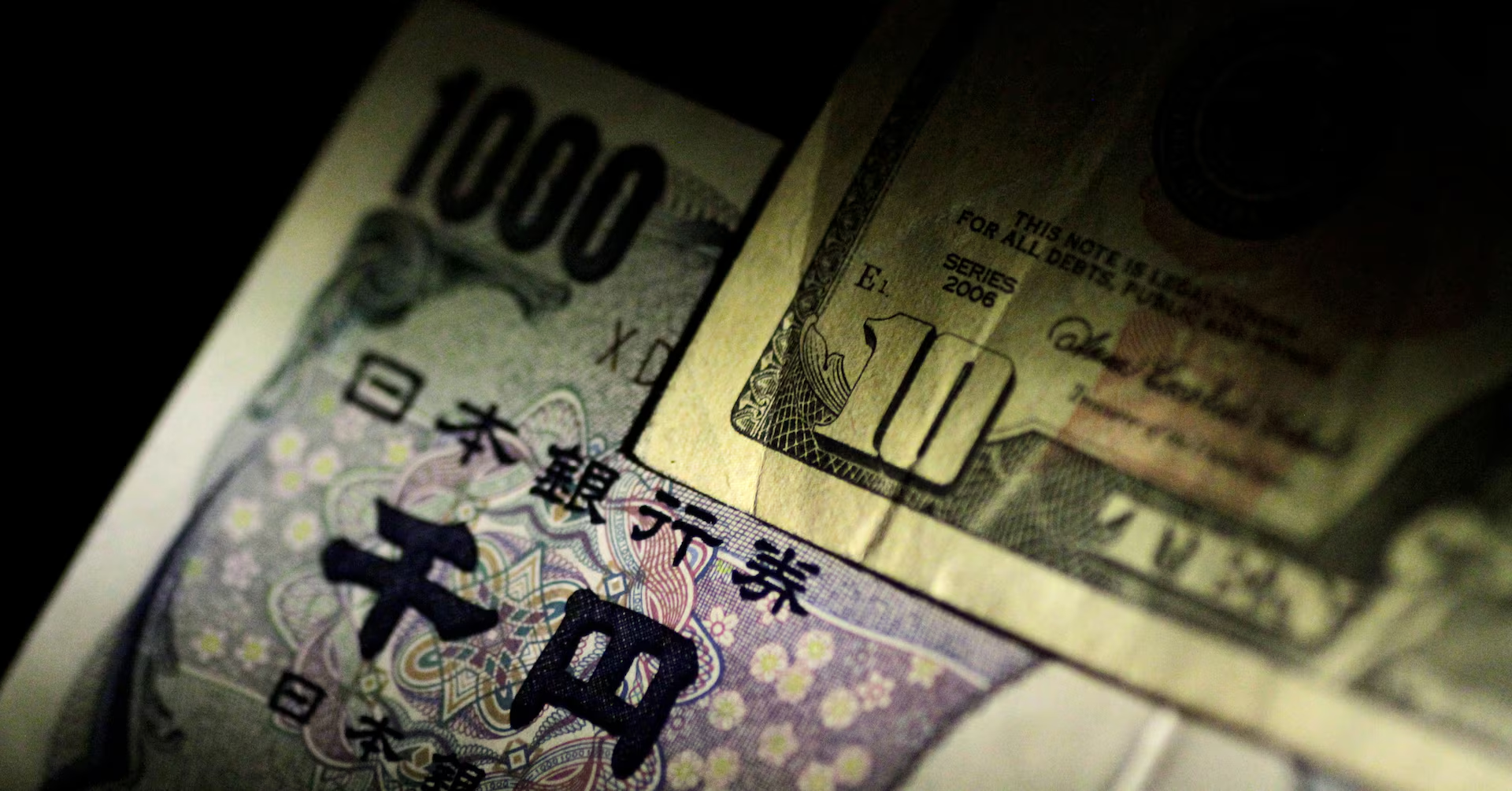
Japan's foreign reserves fell by a record $80 billion in August, driven by massive currency interventions to support the yen. The drop marks the steepest decline since records began in 2000, with total intervention spending this year surpassing all previous annual records.
The US-Canada trade dispute has intensified, with Washington threatening to double tariffs on Canadian autos, trucks, and steel to 50% effective January 1, 2027. While US steelmakers initially benefited from reduced competition, the move threatens the integrated North American auto supply chain. Markets remain cautious as Canada announces retaliatory measures, and investors weigh the impact against upcoming economic data and Federal Reserve speeches.
The United States and Japan executed their first joint currency intervention since 1998 to support the Japanese yen, which had fallen to a 40-year low against the dollar. President Donald Trump described the move as a gesture of friendship and a benefit for global stability, while Treasury Secretary Scott Bessent warned that further coordinated action is possible. The intervention, which involved the US selling euros to buy yen, aimed to counter excessive volatility and protect US Treasury markets from potential forced selling by Japan. Analysts note that while the move may deter speculative bets in the short term, structural issues like interest rate differentials and energy costs remain unresolved.
The U.S. Treasury and Japan’s Finance Ministry confirmed a coordinated foreign exchange intervention on Friday to counter disorderly yen movements. The joint action, which marked a rare collaborative move between the two allies, aimed to address excessive volatility after the yen hit a four-decade low. Both nations signaled they remain in close communication and are prepared to conduct further interventions if necessary.
The Japanese government actively intervened in foreign exchange markets on Thursday to purchase yen and sell dollars, aiming to curb the currency's depreciation. Simultaneously, U.S. authorities conducted a rate check, a monitoring action often interpreted as a precursor to potential intervention. This coordinated activity highlights ongoing efforts to manage currency volatility amid persistent structural pressures.
ING analysts contend that the historical ‘Sell America’ trade era inflicted lasting damage on the U.S. dollar, shaping currency dynamics, potentially diminishing the dollar’s resilience and its status as a global reserve currency, with ongoing implications for exchange rates and global trade.
Trump’s relaxed remarks on the dollar sparked a sharp USD drop (as much as 1.2%), fueling bets on a longer-term downtrend as markets price in weaker-dollar dynamics; the move lifted the euro and pound, while risk reversals signaling hedging against a weaker dollar rose, though analysts warn a weaker dollar could boost exports at the expense of US debt stability.
Trump’s remark that he isn’t concerned about the dollar’s decline coincided with a sharp drop in the ICE U.S. Dollar Index, extending a three‑day slide to as much as 1.5% and leaving the dollar at its weakest since early 2022; analysts say a weaker dollar could raise import prices and inflation while potentially boosting U.S. exporters.
The U.S. dollar eased on Monday as renewed political tensions and shifting risk sentiment weighed on the greenback, with the DXY around 99.04 after a 0.36% drop, while major currencies such as the euro, pound, yen, and yuan firmed against the dollar amid softer U.S. inflation and regional developments; geopolitical tensions and tariff threats continue to inject volatility into currency markets.
Global stocks reached record highs driven by strong US economic data, while commodities like gold, platinum, and silver also hit new records. The US dollar weakened, and currency markets showed signs of intervention and strength in Asian currencies. Market sentiment remains optimistic with expectations of a year-end rally, despite some concerns over valuations and inflation. Traders are also anticipating a potential shift in Federal Reserve policy with a dovish bias in the near future.
The US dollar declined despite stronger-than-expected Q3 GDP growth, as traders remain cautious about potential Fed rate cuts next year amid weakening consumer confidence and geopolitical factors like yen intervention threats, leading to a broader decline in the dollar index and currency fluctuations.
The Japanese yen fell sharply against the dollar and euro amid political uncertainty with Sanae Takaichi poised to become Japan's first female prime minister, leading to expectations of delayed BOJ rate hikes. Meanwhile, the euro declined after France's new prime minister resigned, adding to political instability in Europe. U.S. markets are also influenced by the lack of economic data and expectations of a rate cut by the Fed in October.
The article discusses the rising trend of retail day traders entering the foreign exchange (forex) markets, driven by high leverage and social media influence, despite the significant risks and the market's zero-sum nature. It highlights individual traders' experiences, the growth in trading volume, and the dangers posed by leverage and inexperienced trading, emphasizing that most retail traders tend to lose money.
Financial markets are facing uncertainty as President Trump announced new tariffs on the EU and Mexico, prompting concerns about global trade tensions and potential impacts on currencies and US monetary policy, including the possible removal of Fed Chair Jerome Powell.
The US dollar weakened as President-elect Donald Trump appointed Scott Bessent to a Treasury role, halting the currency's post-election rally. The dollar index fell by up to 0.7% in Asia before recovering slightly. Investors are optimistic that Bessent, a hedge fund manager, will moderate Trump's aggressive tariff policies and address the fiscal deficit. European markets rose, and US Treasury yields fell, while major Asian markets also saw gains following the announcement.